When considering what fabrics are best for men’s clothing, it’s essential to understand the impact of material choices on style and comfort. The textile industry reports indicate that fabric choice can enhance not only appearance but also user experience. For instance, cotton remains popular, accounting for nearly 40% of global textile consumption, owing to its breathability and versatility.
However, many men may overlook synthetic options like polyester. Research shows that lightweight synthetics are gaining ground, providing moisture-wicking and durability. This shift reflects a broader trend, where comfort increasingly drives purchasing decisions. Yet, it’s crucial to ask whether comfort should compromise sustainability or style.
Men’s clothing choices also reveal a gap in understanding fabric properties. While wool is favored for formal wear due to its natural insulation, it needs morning maintenance that many avoid. The right fabric can bridge the gap between fashion and function. Reflecting on these choices can lead to a more strategic wardrobe, ultimately answering the vital question of what fabrics are best for men’s clothing.
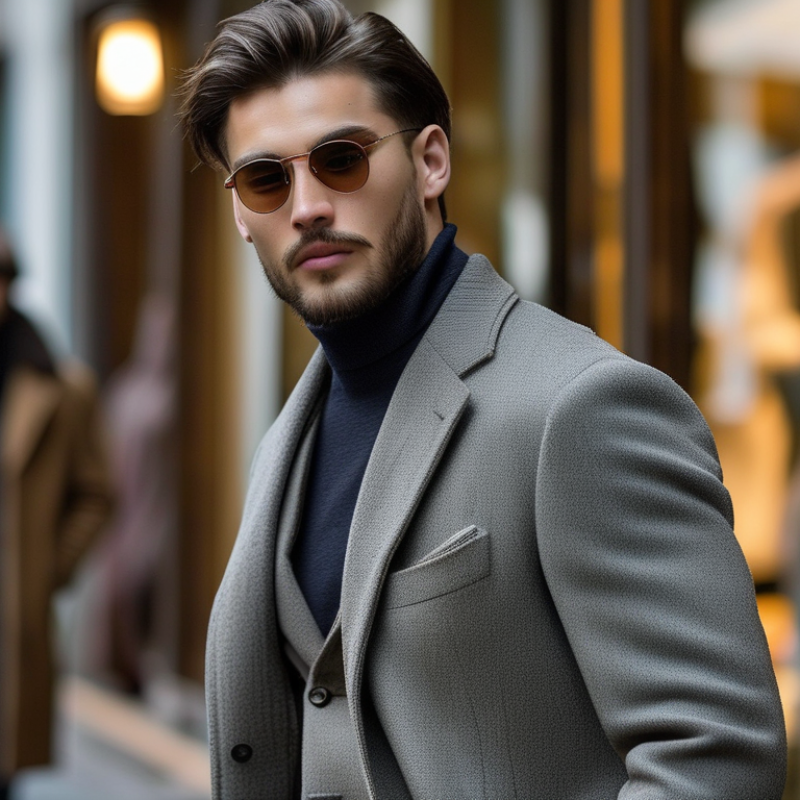
When it comes to men’s clothing fabrics, several common choices stand out. Cotton is a popular option due to its breathability and comfort. It’s perfect for casual wear and everyday outfits. However, pure cotton can wrinkle easily, requiring regular ironing. Choosing a cotton blend may help alleviate this issue while maintaining comfort.
Wool is another staple in men’s fashion. It offers great insulation, making it suitable for cooler weather. Wool suits are elegant, yet they can be heavy. Care should be taken to avoid itchy wool varieties. The right wool garment can enhance a man's wardrobe, but the wrong choice can lead to discomfort.
Linen is favored for its lightness and texture. It’s breathable, ideal for summer outings. However, linen tends to crease quickly, giving a more relaxed appearance. Consider the occasion when wearing linen; it may not always convey formality. Each fabric has its pros and cons, and understanding them is essential for making informed choices.
Natural fibers and synthetic fabrics each offer unique benefits for men’s clothing. Cotton, wool, and linen are popular natural fibers. They provide breathability and comfort. A report from the Textile Institute revealed that cotton absorbs 27 times its weight in water, making it perfect for hot climates. However, natural fibers can require more maintenance. They may shrink or wrinkle, which can be a hassle for some.
On the other hand, synthetic fabrics such as polyester and nylon are known for their durability. They resist wrinkles and drying quickly. According to a survey by the American Apparel and Footwear Association, 63% of consumers prefer synthetic blends for activewear due to their moisture-wicking properties. However, they are often less breathable and can feel clammy in humid conditions. This might lead to discomfort for some wearers.
Tips: When choosing fabric, consider your lifestyle. Natural fibers are great for casual, daily wear, while synthetic blends are ideal for active pursuits. Always check care instructions to avoid fabric mishaps. Lastly, don't hesitate to experiment with different blends to find what suits your style and comfort best.
Cotton stands out as a preferred fabric for men’s everyday wear. It is versatile and breathable, making it an optimal choice for various activities. From casual outings to office settings, cotton adapts well. The fabric allows air circulation, keeping the body cool in warm weather. This is crucial for comfort.
On a hot day, wearing a cotton shirt feels refreshing. The fabric absorbs moisture, preventing sweat from becoming an issue. Many men appreciate this quality while running errands or during leisure time. However, it’s important to consider fabric weight. Thinner cotton can wear out quickly, while heavier fabric can limit mobility.
Quality varies among cotton products. Some blends introduce synthetic fibers for durability, but they may sacrifice breathability. Buying cotton requires careful selection. Always check for the fabric's care instructions and maintenance needs. Understanding cotton's properties can enhance your clothing choices. Embracing the strength of cotton can lead to more comfortable, stylish outfits.
Wool is a remarkable fabric. It offers both insulation and durability. This makes it an ideal choice for both formal and casual attire. Wool fibers trap air, providing warmth in colder weather. At the same time, it remains breathable, preventing overheating. Its moisture-wicking properties keep you dry and comfortable throughout the day.
Many people overlook wool’s versatility. It can be worn in various settings—from boardrooms to weekend outings. Wool suits provide a polished look without sacrificing comfort. On casual days, wool knitwear adds a touch of class to a relaxed outfit. However, not all wool is created equal. Some may itch or lose shape after washing. It’s essential to choose high-quality options and follow care instructions.
Wool can also be a bit tricky. It requires careful handling to maintain its appearance. Learning to differentiate between various wool types adds to the challenge. But when chosen wisely, wool can elevate your wardrobe effectively. Embracing this fabric leads to stylish choices that endure through seasons.
When it comes to men’s clothing, performance fabrics offer a significant advantage. These materials are specifically designed to enhance comfort and functionality. Breathable fabrics like polyester and nylon wick moisture away from the body. This keeps you dry, especially during intense physical activities. Imagine running or working out without feeling drenched; it can truly improve your experience.
Another key feature of performance fabrics is their durability. They resist wear and tear, making them ideal for everyday wear. Think about those long office hours or weekend adventures. A good fabric will stand up to the rigors of your lifestyle. However, not all performance fabrics are equal. Some may lack softness or comfort. Finding a balance is crucial.
Moreover, it’s worth reflecting on the sustainability of these materials. Many performance fabrics are synthetic, and their environmental impact can be concerning. Opting for brands that prioritize eco-friendly practices can make a difference. Reducing your carbon footprint while enjoying the benefits of performance fabrics is a thoughtful choice. A well-informed decision can enhance both your wardrobe and your environmental responsibility.
: Common choices include cotton, wool, and linen. Each has unique features and uses.
Cotton is breathable and comfortable, making it ideal for casual wear. It adapts well to everyday activities.
Pure cotton wrinkles easily and may require frequent ironing to maintain its appearance.
Wool offers great insulation and elegance, suitable for cooler weather, but it can be heavy.
Some wool varieties can be itchy. Selecting the right type is crucial for comfort.
Linen is light and breathable, perfect for warm weather outings, but it creases easily.
Linen may not always convey formality, so consider the occasion carefully.
Check fabric weight and blends. Some blends may sacrifice breathability for durability.
Always check care instructions, as quality and maintenance needs can vary widely.
It enhances clothing choices, leading to better comfort and style in outfits.
When considering what fabrics are best for men’s clothing, it's essential to understand the various options available, including both natural fibers and synthetic fabrics. Each type of fabric comes with its own set of benefits and drawbacks. Natural fibers, such as cotton and wool, are known for their comfort, breathability, and insulation properties. Cotton is a versatile choice perfect for everyday wear, while wool offers durability and warmth, making it suitable for both formal and casual attire.
On the other hand, synthetic fabrics have emerged as a popular alternative due to their enhanced performance characteristics. These fabrics often provide better functionality, moisture-wicking properties, and longevity. By evaluating the key differences and specific advantages of each fabric type, men can make informed decisions about their clothing choices and ultimately select the best options for their needs.

CLStyle Fashion