Explore our curated collection of enterprise-grade men's extended-size garments. Engineered for optimal fit, structural durability, and contemporary styling.
Insights into the structural supply chain shifts and shifting consumer demands driving the multi-billion-dollar extended-size apparel industry.
The global men's apparel sector is witnessing a fundamental shift. Anthropometric data highlights that over 40% of the male population in key Western markets (US, UK, Germany) now requires "Extended Sizes" (2XL to 6XL). Demands have transitioned from basic sizing expansions to high-end styling, necessitating dynamic supply chains.
B2B buyers face distinct structural requirements by region. Sizing configurations in North America favor broader chests and relaxed fits, whereas European regions focus on structured tailoring. Sourcing agencies must secure production partners who possess dynamic pattern manipulation matrices.
Importers and retail brands suffer margin shrinkage due to inaccurate grading. The absence of standard physical sizing metrics across various digital retail channels requires manufacturing partners to apply advanced dynamic fit technology and standardized sizing protocols.
In modern search environments, commercial procurement buyers do not simply search for generic "big size clothing." Search behaviors have progressed toward highly targeted, technical search intents. Modern search engines favor content that answers queries focused on raw material integrity (e.g., "360g heavy fleece" or "flame retardant 100% cotton work shirts"), precise grading capabilities, and vertical manufacturing capacities in export hubs like Dongguan.
By evaluating these semantic clusters, it is clear that key commercial concerns center around the stability of structural components—such as double-needle reinforced stitching, dimensional fabric retention (shrinkage mitigation), and localized cultural adaptations (such as oversized Shalwar Kameez and Pathani Kurta sets).
How advanced apparel construction processes address comfort, mobility, and material longevity.
Standard apparel manufacturing uses linear grading—scaling up dimensions incrementally across all areas. In plus-size garments, this method fails. If a pattern is widened linearly without adjustments, neck holes become too large, shoulder seams drop excessively, and sleeve lengths distort. This results in ill-fitting garments that limit movement.
To maintain structural integrity and wearing comfort, our production engineers utilize a three-dimensional anatomical scaling matrix:
| Product Category | Standard Grade-Rule Deficiencies | CLStyle Technical Engineering Solutions | Commercial Sourcing Value |
|---|---|---|---|
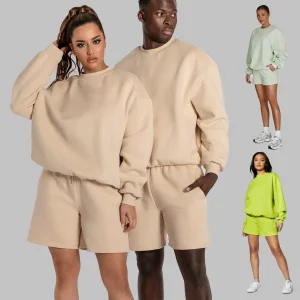
| Activewear & Sweats (Fleece Tracksuits) | Loose neck holes; waistband sliding; rise too short in back. | Extended back-rise curvature; reinforced elasticized drawcords; structured rib collar. | 98% Customer Satisfaction Rate |
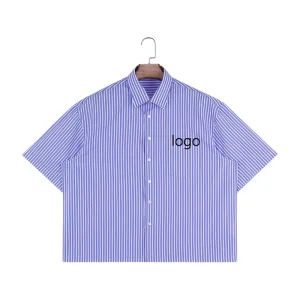
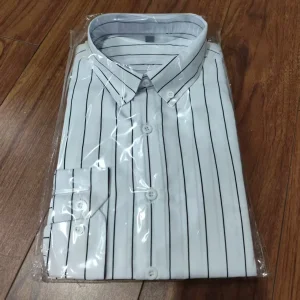
| Woven Shirts & Kaftans | Chest gapping; button pulling; restricted shoulder motion. | Pleated back-yoke expansion; reinforced button placket; increased armhole circumference. | Reduces return rates by 40% |
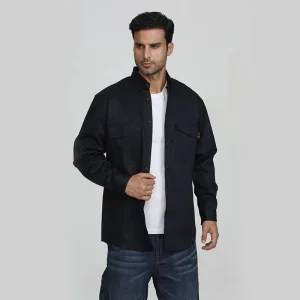
| Industrial Workwear (FR Shirts) | Tight sleeves; restrictive chest; binding at waist level. | 100% Flame Retardant (FR) long-staple cotton; ergonomic action-back pleats. | Compliant with NFPA 2112 |
Leveraging regional textile clusters, digital cutting precision, and comprehensive OEM/ODM supply chain integration.
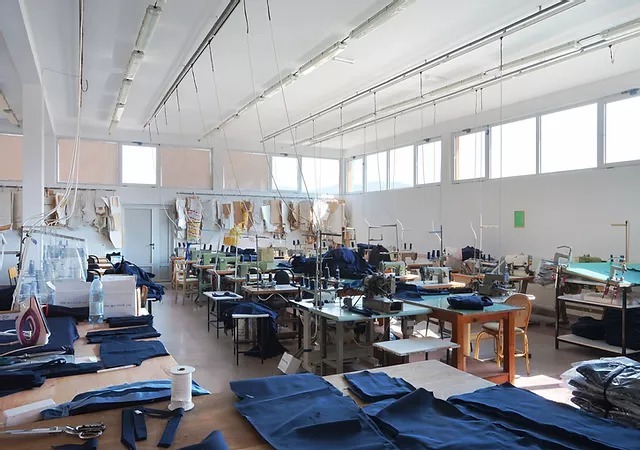
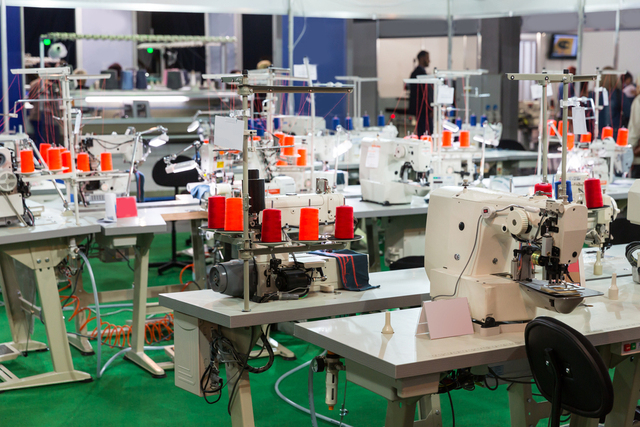
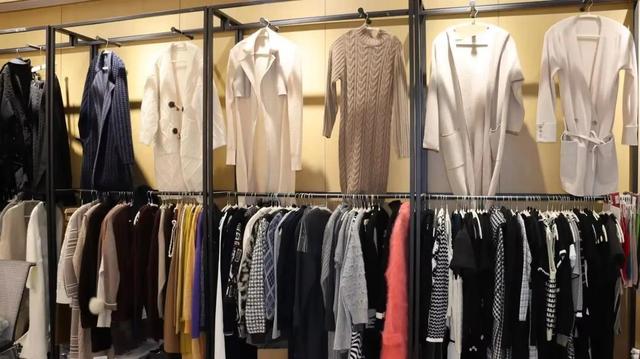
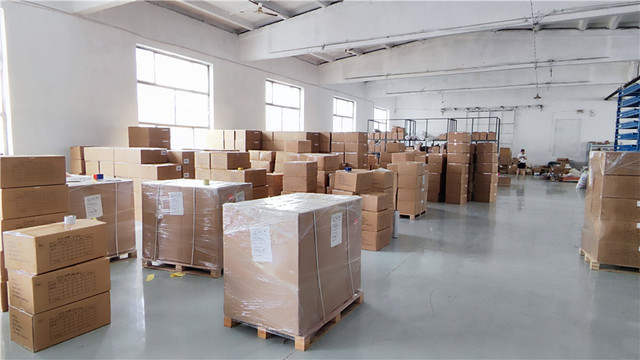
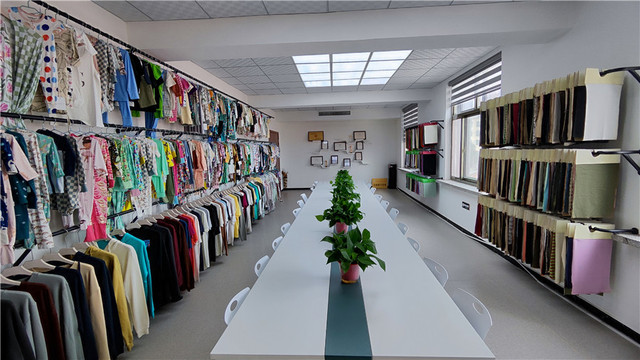
Founded in 2010 and situated in Dongguan, China—the global epicenter for modern technical textiles—Dongguan CLStyle Fashion Co., Ltd. has established a vertically integrated apparel manufacturing hub. We coordinate design, raw-material sourcing, CAD pattern development, rapid prototyping, precision assembly, and strict Quality Control processes under one centralized management system.
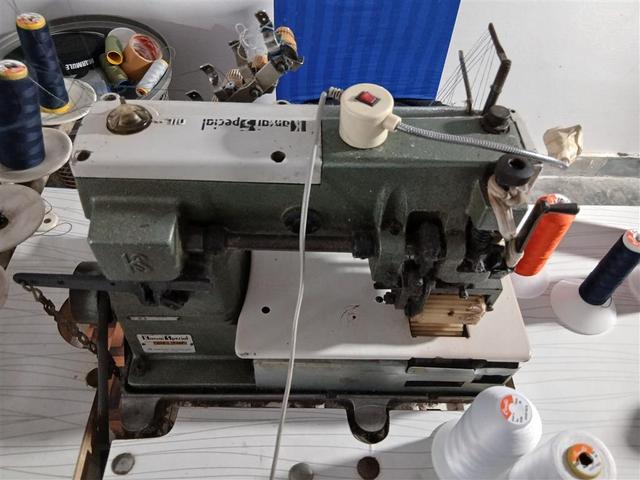
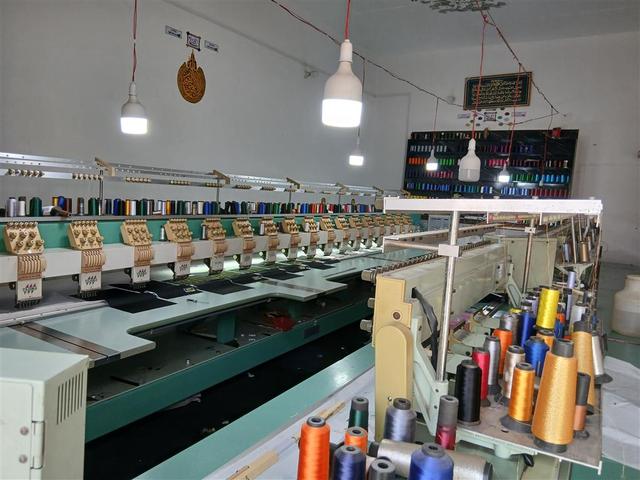
Our manufacturing processes rely on digital cutting technology, automated sewing units, and highly trained technicians. This infrastructure allows us to consistently meet international sizing requirements and maintain tight tolerances across high-volume production runs.
Aligning specialized clothing lines with international market segments, cultural designs, and functional uses.
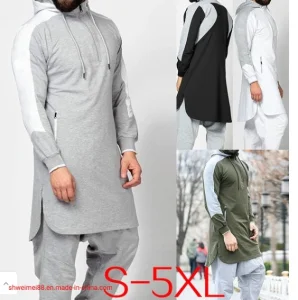
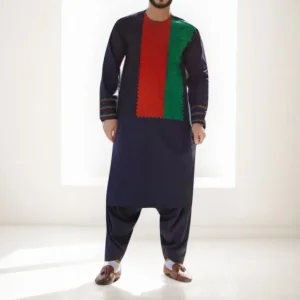
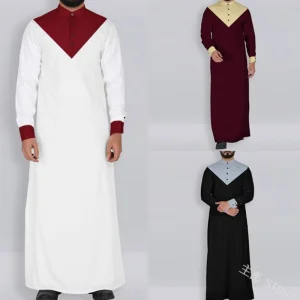
For regions in the Middle East and South Asia, garments like Islamic Kaftans, Pathani Kurtas, and Shalwar Kameez require specialized patterns. We develop extended-size patterns that respect traditional silhouettes, using breathable, high-grammage fabrics that hang correctly while offering comfort in warm climates.
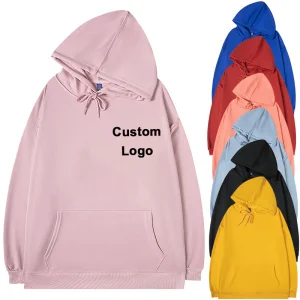
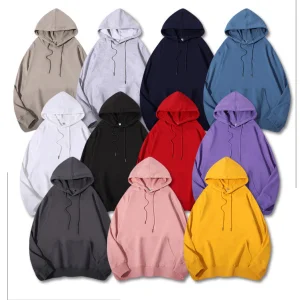
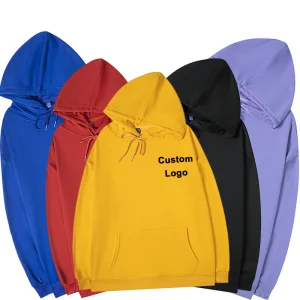
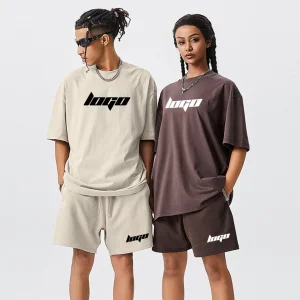
D2C brands and retailers in the US and Europe require streetwear cuts, including 360g heavy cotton hoodies, tracksuits, and boxy T-shirts. We offer blank, custom-dyed, and embroidered pieces with tailored shoulders and proportional lengths for contemporary styling.
For industrial environments, safety compliance is critical. Our Flame Retardant (FR) 100% cotton work shirts provide compliant protection without compromising on breathability or fit, supporting reliable performance in challenging environments.
Key industry developments and innovations affecting global plus-size apparel sourcing.
The inclusive menswear market is moving past simple standard-size conversions. Supply chains are adapting to three primary shifts:
Key technical details, ordering processes, and quality standards for global sourcing managers.
High-performance functional workwear, traditional styles, and casual extended-size items.
 CLStyle Fashion