Dressing well is essential for making a positive impression. Understanding how to dress for different body types men is key to looking your best. Many men struggle to find styles that flatter their unique shapes. Each body type has its strengths, and the right clothing can highlight them.
For example, athletic builds often benefit from tailored fits that accentuate their physique. On the other hand, men with broader shoulders might prefer structured jackets that create symmetry. This approach not only enhances appearance but also boosts confidence.
However, finding the right clothes can be overwhelming. Trends change rapidly, and what looks good on a model may not work for everyone. It’s crucial to experiment with styles while understanding personal comfort and preference. Listening to feedback and reflecting on choices can lead to better decisions in clothing. Ultimately, the journey to style is continuous, requiring patience and a willingness to adapt.
Understanding Male Body Types: A Comprehensive Overview
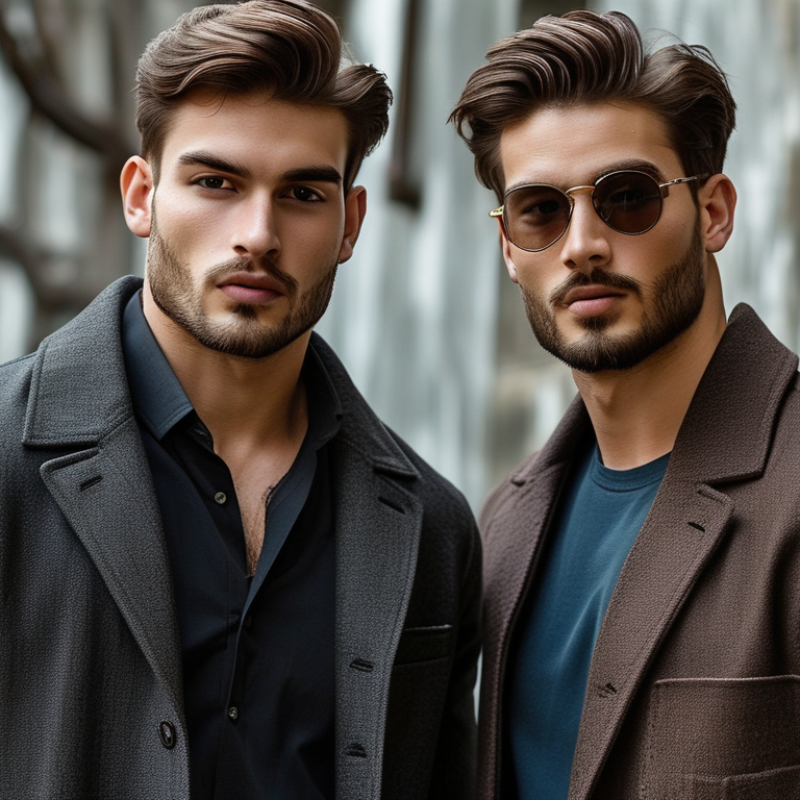
Understanding male body types is crucial for selecting the right clothing. Men generally fall into three categories: muscular, athletic, and slim. Each type has distinctive features that can influence style choices. Recognizing your body type helps in making better decisions. This knowledge empowers men to choose clothes that enhance their strengths.
For example, muscular men often have broad shoulders and a defined chest. They should avoid overly tight clothing, as it can exaggerate bulkiness. Instead, relaxed fits work well. Athletic types may have a balanced top and bottom. They can play around with fitted shirts and structured blazers.
Slim men benefit from layering, which adds dimension. However, they should be cautious with oversized styles, as they can overwhelm their frame.
It's important to experiment, even if it leads to some fashion missteps. Not every outfit will be a perfect fit for your body type. Trial and error can teach valuable lessons. Reflecting on past choices helps refine future selections. Embrace the process and understand that style is personal. Balancing comfort and appearance can take time. Seek inspiration, but remember to stay true to yourself.
Identifying Key Characteristics of Each Body Type in Men
When dressing for different body types, understanding your unique shape is crucial. Men's bodies can generally be categorized into several types:
rectangular,
triangular,
inverted triangle, and
oval. Each type has distinct characteristics that influence clothing choice.
Rectangular body types have shoulders and hips that are roughly the same width, often lacking defined curves. To create an illusion of shape, opt for tailored jackets that add structure. Layering with v-necks can also help.
On the other hand, triangular body types have broader shoulders and narrower hips. They should focus on enhancing the shoulder area with structured tops and avoiding overly tight pants.
Inverted triangle body types display broad shoulders and a narrow waist. It's essential to soften the shoulders with lighter colors and to balance the silhouette with straight-fit trousers.
Oval body types, characterized by a fuller midsection, benefit from loose-fitting clothing that provides comfort without emphasizing the waistline.
Identifying these characteristics helps in making informed fashion choices. However, it's important to remember that each body is unique. Personal style should always reflect individuality. Adjusting these guidelines to what feels best for you is key. The goal is to feel confident and comfortable in what you wear.
Recommended Clothing Styles for Athletic Body Types
Athletic body types often have well-defined muscles and a broad chest paired with a slimmer waist. This physique requires specific clothing styles that enhance body shape while ensuring comfort. Tailored fits work best. They highlight the athletic build without being overly tight. According to industry data, 70% of men prefer clothing that accentuates their physique.
Tips: Opt for structured blazers. They create a powerful silhouette. Vertical stripes further elongate the torso, adding a touch of elegance.
Layering is important for athletic builds. Lightweight fabrics protect against bulkiness. Think about well-fitted turtlenecks or crew necks under jackets. These styles emphasize the shoulders and create a balanced appearance. Research indicates that 65% of men feel more confident in clothing that flatters their body type.
Tips: Incorporate color blocking. It draws attention where needed. A light top paired with darker bottoms emphasizes muscle definition. Comfort is key; always choose fabrics that allow movement.
When selecting pants, look for those that fit well at the waist and taper down. This fit highlights your leg structure and maintains a clean line. Remember, the right fit makes all the difference. Even small adjustments can enhance your overall look, so don't hesitate to make changes when necessary.
Best Dressing Strategies for Slim and Lean Body Types
When dressing for a slim and lean body type, focus on creating balance. Slim men can enhance their figure by strategically selecting clothes that add depth and dimension. Opt for layered outfits, as this technique provides visual interest without overwhelming your frame. A well-fitted blazer or a light sweater over a shirt can add structure and elegance.
Tips: Experiment with textures. Fabrics like knits or denim can bulk up your silhouette. Don't shy away from patterns; they can draw attention and give the illusion of a fuller shape. Vertical stripes might elongate the look, but horizontal patterns can add width where needed.
Consider your fitting choices. Avoid overly loose clothing, which can drown your figure. Instead, choose tailored pieces that hug your body in a flattering way. Accessories can also play a role; a scarf or a chunky watch can divert attention and enhance your style. Remember, every choice reflects your personality, so take time to find what feels right for you.
The Best Ways to Dress for Different Body Types in Men
| Body Type |
Best Clothing Choices |
Styles to Avoid |
Accessories Tips |
| Slim |
Fitted shirts, slim-fit trousers, layering with jackets |
Baggy clothes, overly tight fits |
Chunky watches, bold belts |
| Lean |
Textured fabrics, layers, wide-leg pants |
Very tight clothing, straight-cut pants |
Minimalist accessories, avoid heavy bags |
| Tall |
Vertical stripes, long coats, tailored fits |
Oversized styles, short jackets |
Long scarves, bulky shoes |
| Muscular |
Tailored shirts, athletic fit, comfortable fabrics |
Super tight clothing, heavy layering |
Bold statement belts, avoid small backpacks |
Style Tips for Men with Broader Body Types: Achieving Balance and Fit
When it comes to dressing for broader body types, balance is key. Choosing the right fit can create a flattering silhouette. Opt for structured clothing that defines your shoulders but provides enough room in other areas. A well-fitted blazer can enhance your shape without being tight. Look for fabrics that have some stretch. This allows for comfort while maintaining structure.
Vertical stripes can be particularly effective for broader frames. They elongate the body, making you appear taller and slimmer. Avoid overly baggy clothing, as it can add unnecessary bulk. Instead, focus on natural waistlines. This helps to create a more tailored look. Accessories like belts can emphasize your waist without overwhelming your silhouette.
Finding the right measurements is essential. Tailoring may seem expensive, but it is worth the investment. An imperfect fit can detract from your overall appearance. Pay attention to details, such as shirt length and sleeve style. Generally, shorter sleeves can make your arms look bulkier. Each piece should complement your shape. Aim for an effortless style that feels both comfortable and confident.
Conclusion
Understanding how to dress for different body types men is essential for achieving a well-balanced and flattering look. This guide begins by outlining the primary male body types and their distinctive characteristics, allowing individuals to identify their own physique. For athletic body types, tailored clothing that accentuates the shoulders and chest is recommended, while slim and lean men should opt for layering and structured pieces to add dimension.
Moreover, those with broader body types can create balance by choosing well-fitting garments that avoid excessive bulk. By following these dressing strategies, men can enhance their natural shape and ensure they feel confident and stylish in their clothing choices. Understanding and applying these principles in wardrobe selection is crucial for every man looking to express his unique style effectively.

 CLStyle Fashion