Looking polished does not require a designer wardrobe or a large monthly salary. For many men, the real challenge is choosing fewer, better pieces. This guide explores how to dress well for men on a budget, with practical ideas for building a reliable wardrobe in China’s changing menswear market. It focuses on fit, fabric, color, maintenance, and thoughtful shopping rather than short-lived trends.
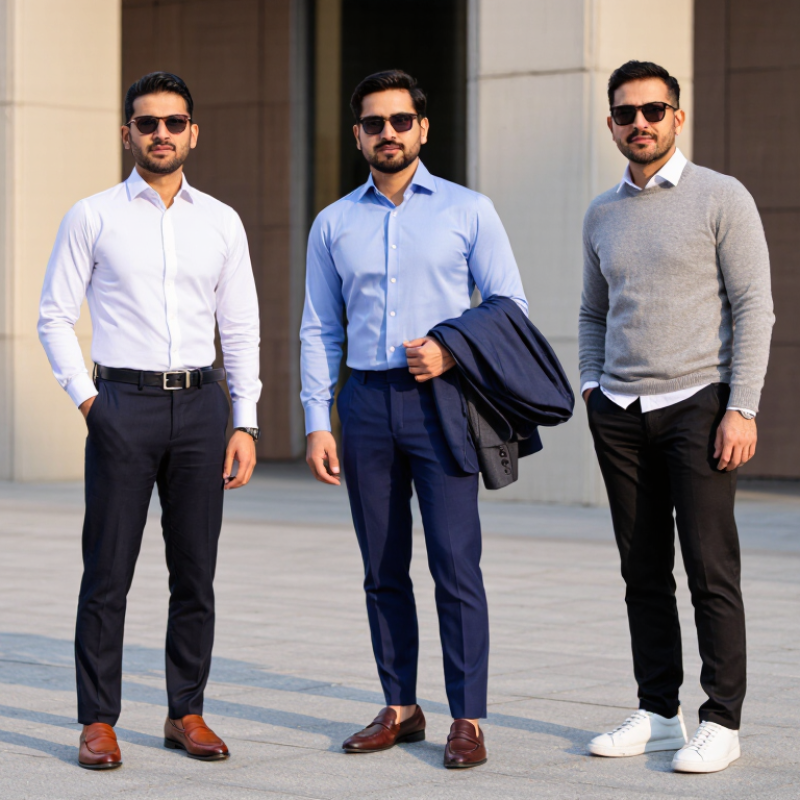
Tim Gunn, the respected American fashion consultant and television mentor, has said, “The secret to style is to feel good in what you wear.” That principle matters when money is limited. A clean white shirt, dark straight-leg trousers, and versatile leather shoes can create several useful outfits. Small details also matter. Check the shoulder seams. Inspect loose threads. Try sitting down before buying trousers. A low price is not a bargain if the garment loses shape after two washes.
This approach is not perfect. Budget clothing can involve compromises, especially with fabric quality and ethical production. Personal taste also changes, sometimes faster than expected. Still, careful choices can reduce waste and unnecessary spending. Start with clothes that suit your daily routine, climate, and workplace. Then improve gradually.
You do not need more clothes.
You need clearer decisions.
By comparing local brands, outlet stores, seasonal sales, and secondhand platforms, men can find practical pieces without copying expensive runway looks. The goal is not to appear wealthy. It is to look intentional, comfortable, and appropriately dressed while keeping financial priorities intact.
Budget menswear in China should begin with household spending, not online claims. The National Bureau of Statistics reports per capita consumption expenditure and clothing expenditure each year. These figures provide a practical reference for affordable clothing. They do not define one fixed budget for every man. A smaller city, shared housing, or unstable income can change the calculation. This measure is useful, but imperfect.
A sensible budget might place menswear below the clothing share of average household consumption. Check the latest NBS data, then adjust it for your own monthly income. Prioritize durable trousers, plain shirts, comfortable shoes, and one weatherproof jacket. Neutral colors create more combinations. A shirt costing 120 yuan may work harder than three cheaper shirts that lose shape quickly. Inspect stitching, fabric weight, buttons, and washing instructions. My own mistake was judging value by price alone. Cheap clothing can become expensive after repeated replacement.
Tips: Set a monthly clothing limit before shopping. Keep a simple purchase record. Compare fabric composition and care requirements. Try sitting, walking, and raising your arms before buying. Reserve money for seasonal needs, especially winter layers in northern regions. NBS averages cannot capture every household’s reality, so review your budget every three months. A practical wardrobe is not always the smallest one.
Use official household clothing-spending data as a reference, not a fixed rule. Adjust the amount for your income, city, housing costs, and family needs. A monthly limit helps prevent impulse purchases. Keep it realistic.
Start with durable trousers, plain shirts, comfortable shoes, and one weatherproof jacket. Neutral colors create more outfit combinations. Winter layers may require extra money in northern areas. Plan ahead.
Compare price, durability, comfort, and expected wearing frequency. A 480-yuan overshirt worn 40 times costs 12 yuan per wear. A 180-yuan shirt worn five times costs 36 yuan per wear. The cheaper item may cost more.
Check stitching, fabric weight, collar recovery, buttons, and washing instructions. Look closely at loose threads and uneven seams. Try sitting, walking, and raising your arms. Fit matters most.
Low-priced clothing may lose shape, fade, or require frequent replacement. A 120-yuan shirt can outperform three cheaper shirts. Repeated replacement increases both spending and waste. I have judged value by price alone.
Yes, longer use can reduce clothing-related carbon, water, and waste impacts. One report estimates that adding nine months of use may reduce these impacts by roughly 20–30%. Repairing a loose seam can extend a garment’s life. Small actions count.
Humid southern cities may benefit from quick-drying, washable fabrics. Colder northern regions may need dense materials and repairable seams. A heavy jacket is useful only when it feels comfortable. Warmth is personal.
Record each wearing for three months, including repairs and alterations. Divide the total cost by actual wears. Review the result every three months. The calculation is imperfect.
How to dress well for men on a budget in China begins with understanding real household spending. By using National Bureau of Statistics household expenditure categories as a practical reference, shoppers can set a clothing budget that matches their income and daily needs. China’s menswear market includes value, mid-range, and premium segments, so comparing their growth patterns helps consumers identify where quality and affordability overlap. Instead of buying many trend-driven items, a carefully planned capsule wardrobe can provide more outfit combinations with fewer pieces.
The best choices balance price, durability, comfort, and cost per wear. A durable shirt or pair of trousers may offer better value than a cheaper item that quickly loses its shape. Consumers should also consider fabric performance, construction, fit, and relevant Chinese apparel quality standards, including care instructions and material labeling. By evaluating how often each garment will be worn, how long it may last, and how well it works with existing clothing, men can build a polished wardrobe that looks refined without exceeding a realistic budget.

 CLStyle Fashion