Why Choose the Right Mens Clothing Style?

Time:2026-09-29 Author:Ethan
0%

Why Choose the Right Mens Clothing Style?

The right clothing style is not about copying a runway or buying a new wardrobe. It is about finding clothes that fit your body, routine, and sense of self. A jacket that sits cleanly across the shoulders can change how an outfit feels; shoes that suit your commute can make it practical. Small details matter. So does comfort.

There is evidence that clothing can shape how people experience a task. In a 2012 study in the Journal of Experimental Social Psychology, researchers Hajo Adam and Adam Galinsky found that wearing a lab coat associated with attentiveness improved participants’ performance on an attention task. The study was controlled and specific; it does not prove that stylish clothes guarantee confidence or success. Still, it offers a useful reminder: what we wear can carry meaning.

The business context matters, too. McKinsey’s State of Fashion 2024 projected modest global fashion-industry growth of 2–4% that year, amid cautious consumer spending. That makes thoughtful choices more useful than impulse purchases. The question is not simply what looks good in a photograph. It is how to choose the right men’s clothing style for real days: work, weekends, changing weather, and the occasional event that calls for a sharper shirt. Personal taste can be inconsistent. Mine might be, too. A style guide should leave room for that, while helping you build outfits that fit well, feel natural, and earn their place in your closet.
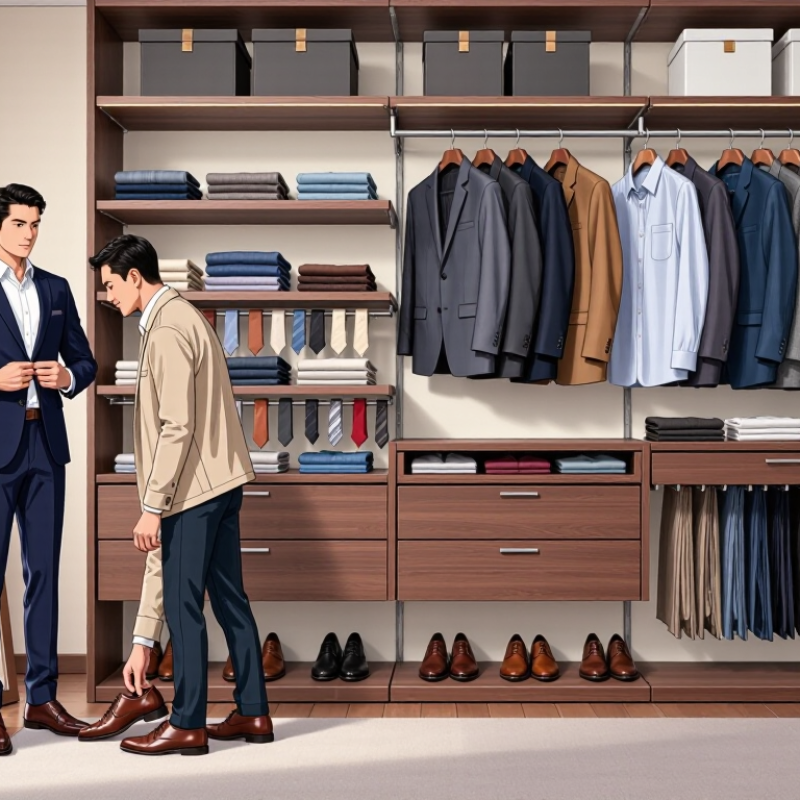
Why Choose the Right Mens Clothing Style?

Understanding the Role of Mens Clothing Style

The role of men's clothing style goes beyond looking fashionable. It shapes how people read your confidence, profession, and attention to detail. More importantly, it influences how you feel while moving through work, travel, or social settings. From my experience, a well-fitted shirt can improve posture, while uncomfortable trousers distract you all day. Style is practical communication. It should support your real life, not create extra pressure.

Tips: Start with your daily routine. Choose breathable fabrics for long hours, and check shoulder seams before buying a jacket. Match colours with your skin tone and workplace needs. Keep one reliable outfit for important meetings. Small details matter, including clean shoes, balanced proportions, and sleeves that end near your wrist.

A thoughtful men's clothing style also reflects personal values. Simple, durable pieces can show restraint and reduce careless spending. However, “classic” does not always mean suitable. A heavy coat may look polished but feel wrong in a warm office. I have made that mistake. Personal comfort deserves honest attention. Try sitting, walking, and reaching before judging an outfit. A mirror shows appearance, but movement reveals the truth. The best style leaves room for personality, changing weather, and occasional imperfection.

Key Factors That Shape Personal Clothing Choices

Choosing men’s clothing style starts with more than appearance. Daily routines, work settings, climate, and comfort influence personal choices. A man who commutes by bicycle may prefer breathable fabrics and flexible trousers. Someone in a formal office may need structured jackets and polished shoes. These details often matter more than seasonal trends.

Fit remains a decisive factor. Shoulder seams should sit near the shoulders, while sleeves should allow natural movement. Experienced tailors also consider body proportions, posture, and trouser break. Color affects perception, but personal coloring and workplace expectations should guide the decision. Fabric performance matters too. Cotton may feel comfortable, while wool can provide structure and warmth. Check stitching, lining, and care instructions before buying. Cheap-looking construction rarely improves with time.

Personal identity shapes clothing choices in quieter ways. Family traditions, local culture, age, profession, and social surroundings can influence acceptable colors and silhouettes. Budget matters, but thoughtful coordination can create more outfits from fewer pieces. Try a new shape slowly. Take photos in natural light. Ask someone with honest judgment. I once chose a fashionable oversized coat that overwhelmed my frame. The mirror looked fine, but walking felt awkward. That experience changed how I judge style: appearance deserves attention, but movement and confidence deserve equal weight. Mistakes still happen. That is part of refining a wardrobe.

How Clothing Style Reflects Identity and Lifestyle

Why Choose the Right Mens Clothing Style?

Clothing is often the first visible clue to a man’s identity. It can suggest discipline, creativity, practicality, or quiet confidence. A clean overshirt, worn with straight trousers and leather-free sneakers, may communicate control without looking rigid. In contrast, relaxed knitwear and loose cotton pants can reflect comfort, openness, and a slower daily rhythm.

Research supports this connection. The Business of Fashion and McKinsey State of Fashion 2024 report projects only 2–4% growth for the global fashion industry. That pressure makes personal relevance more valuable than constant novelty. People increasingly choose clothing that fits work, travel, climate, and personal values. The Ellen MacArthur Foundation reports that one truckload of textiles is landfilled or burned every second. Buying fewer, more adaptable garments can therefore reflect a responsible lifestyle, not merely a visual preference.

Style also changes with experience. A man may prefer sharp tailoring at work, then choose soft layers for family time. These shifts are normal. They show context, not inconsistency. Still, personal style is rarely perfect. Colors may clash. A trusted jacket may become uncomfortable after a long commute. That is useful feedback. Observe the fabric, movement, and emotional response. Clothing should support real behavior, even when the mirror offers an honest correction.

Why Choose the Right Men's Clothing Style? – How Clothing Style Reflects Identity and Lifestyle

Clothing Style Identity Often Communicated Lifestyle and Typical Use Common Garments Practical Benefits Style Considerations
Classic Formal Professional, dependable, organized Business meetings, ceremonies, interviews, formal events Tailored suit, dress shirt, leather shoes, structured jacket Creates a polished appearance and supports workplace formality Fit, clean lines, and appropriate tailoring matter more than excessive decoration
Smart Casual Balanced, adaptable, confident Office-casual settings, dinners, social gatherings, travel Oxford shirt, knit polo, chinos, dark jeans, loafers, casual blazer Works across several settings without requiring a complete outfit change Combine structured and relaxed pieces to avoid looking either overdressed or untidy
Minimalist Intentional, practical, detail-focused Daily wear, commuting, creative workplaces, simplified wardrobes Plain T-shirts, neutral overshirts, straight-leg trousers, clean sneakers Makes mixing and matching easier and can reduce wardrobe decisions Fabric quality, proportion, texture, and fit become especially important
Streetwear Youthful, expressive, community-aware Urban daily life, concerts, casual social activities, creative communities Graphic sweatshirt, cargo trousers, relaxed denim, trainers, cap Allows personal expression and generally supports comfortable movement Use volume, color, and graphics deliberately to keep the outfit visually balanced
Outdoor and Utility Active, prepared, function-oriented Hiking, commuting, travel, variable weather, physical activities Lightweight jacket, technical trousers, base layer, walking shoes Layering can help manage temperature, moisture, and changing conditions Choose clothing according to weather, activity level, breathability, and durability
Athleisure Health-conscious, relaxed, energetic Gym sessions, errands, informal travel, active daily routines Performance T-shirt, joggers, hoodie, trainers, stretch shorts Stretch fabrics and athletic cuts support movement and comfort Separate workout-specific items from casual pieces when hygiene or dress codes require it
Vintage-Inspired Individualistic, nostalgic, culturally curious Leisure, cultural events, creative settings, personal styling High-waisted trousers, patterned shirt, knitwear, retro-style outerwear Distinctive details can make a simple outfit memorable Mix historical references with modern basics to keep the look current and wearable
Sustainable and Long-Wear Conscientious, practical, values-led Everyday use, reduced-consumption wardrobes, repair and reuse routines Durable basics, repairable outerwear, natural or recycled-fiber garments Versatile pieces and careful maintenance can extend garment use Consider durability, care requirements, garment versatility, and verified material information
Key takeaway: The right clothing style should align with personal identity, daily activities, comfort needs, social context, and the level of formality required.

Practical Benefits of Choosing the Right Clothing Style

Choosing the right men’s clothing style offers practical benefits beyond appearance. Well-fitted clothes support easier movement during work, commuting, and daily errands. A jacket with balanced shoulders can improve posture without feeling restrictive. Trousers with enough room at the waist reduce constant adjustments. Small details matter.

A suitable style also saves time. Coordinated colors make morning dressing faster and reduce unnecessary purchases. Neutral shirts, durable trousers, and one adaptable jacket can serve several settings. Clothing should match the activity, weather, and workplace expectations. Breathable fabrics help during warm commutes, while layered pieces provide flexibility in changing temperatures. In my experience, comfort often affects confidence more than expensive materials.

The right style can improve clothing care as well. Simple designs are easier to wash, repair, and combine. However, personal style is not a fixed formula. I have chosen garments that looked impressive but felt awkward after an hour. That mistake taught me to test movement before buying. Sit down, raise your arms, and check the fabric in natural light. A mirror shows shape, but real movement reveals problems. Fit also depends on body changes, so an old favorite may need adjustment. Clothing advice should guide decisions, not replace personal judgment.

Steps to Develop a Suitable Mens Clothing Wardrobe

Why Choose the Right Mens Clothing Style?

Steps to Develop a Suitable Mens Clothing Wardrobe

Start with a practical wardrobe audit. Remove items that itch, pull, or never leave the hanger. Keep three reliable outfits for work, weekends, and formal events. McKinsey’s State of Fashion 2024 projected global fashion growth of only 2–4%, making thoughtful purchasing more sensible than constant replacement. Photograph each outfit in natural light. The gaps become obvious.

Define your daily needs before choosing a style. A man working outdoors may need breathable shirts, durable trousers, and water-resistant layers. Someone in an office may need tailored trousers, plain knitwear, and one structured jacket. Build around two neutral colors and one accent shade. Navy, charcoal, olive, or beige usually combine easily. Fit matters more than labels. Check shoulder seams, sleeve length, and trouser break in a mirror.

Then buy slowly and test each piece. Wear new trousers for a full day. Sit, walk, and reach forward. Comfort reveals problems quickly. The International Cotton Advisory Committee reports that cotton remains a major global apparel fiber, but fiber choice should match use, washing, and climate. A lightweight linen shirt may suit summer better than heavy cotton. Mistakes happen. I still keep one impressive jacket that rarely fits real life.

Use a simple replacement rule. One new item should solve a clear problem. The Ellen MacArthur Foundation has reported that one truckload of textiles is landfilled or burned every second globally. Repair loose buttons, adjust hems, and wash garments according to care labels. A smaller wardrobe can feel more personal, although it requires honest self-review.

Why Choose the Right Men's Clothing Style?

A suitable wardrobe increases outfit variety without requiring excessive clothing. This chart shows the number of possible combinations when pairing different numbers of tops with 3 bottoms and 2 pairs of shoes.

Calculation: number of tops × 3 bottoms × 2 pairs of shoes. The figures represent possible combinations, not market or brand data.

FAQS

What should guide a man’s clothing choices?

Daily routines, climate, work settings, and comfort matter more than short-lived trends. A bicycle commuter may prefer breathable shirts and flexible trousers.

How can you tell if clothing fits well?

Shoulder seams should sit near your shoulders, and sleeves should allow easy movement. Check trouser length while standing and walking. Fit beats labels.

Which colors work well in a small wardrobe?

Choose two neutral colors, such as navy and beige, then add one accent shade. These pieces are easier to combine for work or weekends.

How should fabric choices match your routine?

Consider weather, washing, and daily activity. Lightweight linen can feel comfortable in summer, while wool offers more warmth and structure.

How can you build a practical wardrobe without buying too much?

Keep a few reliable outfits for work, weekends, and formal events. Buy an item only when it solves a clear problem. Mistakes happen.

What should you check before buying a garment?

Inspect the stitching, lining, and care instructions. Sit, walk, and reach forward in new trousers to find discomfort before removing the tags.

How does clothing express personal identity?

A structured jacket can suggest a polished look, while relaxed knitwear may feel more casual. Family traditions, work, and local culture also influence choices.

What can you do with clothes that almost work?

Repair loose buttons or adjust hems before replacing a garment. A wardrobe audit can miss useful pieces, so review what you actually wear.

How can you judge whether a new style suits you?

Take outfit photos in natural light and notice how the clothes move. An oversized coat may look appealing in a mirror but feel awkward outside.

Conclusion

Choosing the right men’s clothing style is an important part of presenting yourself with confidence and comfort. Mens clothing style influences how others perceive you, but it also affects how you feel in daily situations. Personal choices are shaped by factors such as lifestyle, work environment, body comfort, personal preferences, climate, and social activities. Clothing can reflect identity, values, personality, and the way a man approaches different aspects of life.

Learning how to choose the right men’s clothing style starts with understanding your routine and selecting garments that are practical, comfortable, and appropriate for your needs. A suitable wardrobe should include versatile essentials, coordinated colors, reliable fits, and clothing for both casual and formal occasions. By reviewing what you already own, identifying useful wardrobe gaps, and choosing quality pieces that match your lifestyle, you can develop a consistent style. The right choices make dressing easier, improve confidence, support comfort, and help create a polished appearance without sacrificing individuality.

Ethan

Ethan

Ethan is a seasoned marketing professional with a deep expertise in our company's innovative product line. With a passion for sharing knowledge and insights, he takes the lead in regularly updating our corporate blog, where he explores industry trends, product features, and effective marketing......