Choosing a reliable men’s wardrobe starts with practical pieces, not endless trends. The question “what clothes should every man own” deserves a clear, supplier-informed answer. China’s top clothing suppliers offer broad choices, from heavyweight cotton T-shirts to tailored wool-blend trousers. However, product variety alone does not guarantee lasting value.
A strong wardrobe usually includes well-fitting shirts, versatile trousers, dark denim, knitwear, outerwear, underwear, and comfortable shoes. Each item should serve a real situation. Imagine a crisp white shirt for a client meeting, a breathable polo for humid travel, and a structured jacket for a cool evening. Fabric weight, stitching, shrinkage, colorfastness, and sizing deserve close attention. These details often separate a dependable supplier from a merely attractive catalog.
Experienced buyers should request samples before placing larger orders. They can inspect seam strength, button attachment, zipper movement, and measurement consistency. Supplier audits, transparent production records, and recognized quality certifications add useful confidence. Yet even verified suppliers may miss a detail. A sample can look excellent and still fit poorly after washing. That is why wear testing matters.
This guide explores essential menswear categories and explains how China-based suppliers support each one. It considers seasonal demand, private-label flexibility, minimum order quantities, and responsible manufacturing practices. The aim is not to promote the cheapest option. It is to help buyers build a balanced, durable collection with fewer surprises. Some wardrobe choices remain personal, and that is worth admitting. Availability, climate, profession, and budget can change the answer.
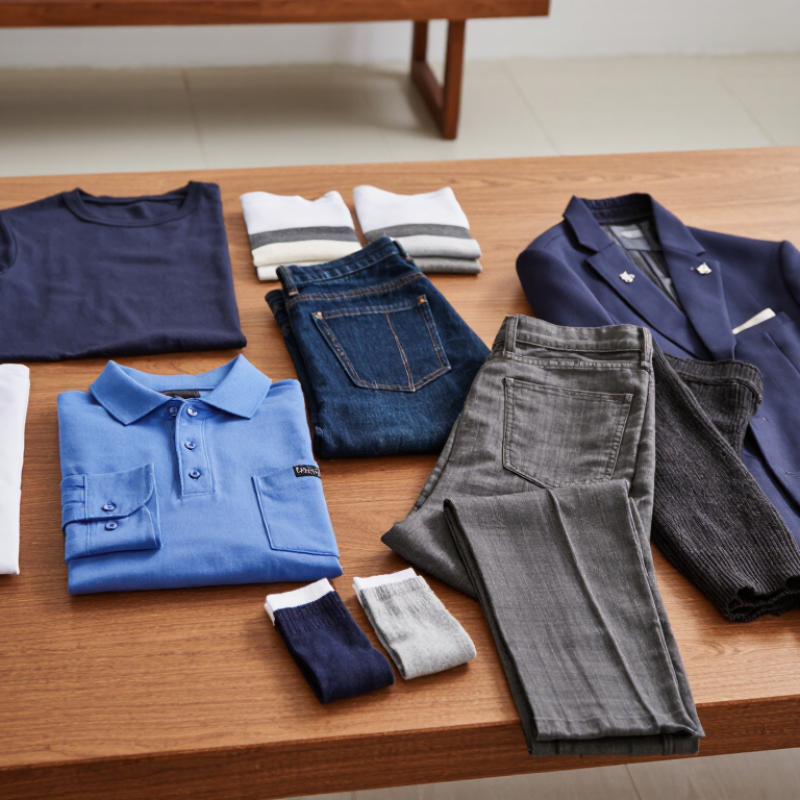
A dependable men’s wardrobe begins with versatile categories, not endless clothing choices. In my sourcing experience, well-made T-shirts, Oxford shirts, and lightweight knitwear cover most daily situations. Choose breathable cotton for warm weather and merino or cotton blends for cooler days. Neutral colors make outfits easier to combine, although one brighter shirt can prevent a dull wardrobe.
Trousers need more attention than many buyers expect. Keep straight-leg chinos, dark denim, and one tailored pair for formal occasions. A clean fit around the waist and seat matters more than a fashionable label. Add a simple jacket, a weather-resistant coat, and a soft overshirt for changing temperatures. These layers help men dress comfortably without looking careless. Small details matter. Strong stitching, smooth zippers, and even hems often reveal better production control.
Underwear, socks, and sleepwear should not be ignored because comfort affects daily confidence. For exercise, moisture-managing shirts and flexible shorts are practical, while a plain sweater works for travel and relaxed offices. When reviewing clothing from Chinese top suppliers, request fabric composition, size measurements, colorfastness results, and pre-production samples. I have seen attractive samples fail after washing, so testing remains essential. Supplier photos can also hide thin fabric or uneven sewing. My own wardrobe still contains pieces that looked useful but rarely left the closet. That mistake is worth considering: every category should serve a real routine, not an imagined lifestyle.
| Clothing Category | Recommended Quantity | Best Fabric Options | Key Features to Request | Typical Use | Recommended Priority |
|---|---|---|---|---|---|
| Basic T-Shirts | 5–8 pieces | 100% cotton, cotton-modal blend, or cotton-polyester blend | Pre-shrunk fabric, reinforced neck rib, smooth seams, colorfast dyeing, and regular or relaxed fit | Daily wear, layering, travel, and casual outfits | Essential |
| Polo Shirts | 2–4 pieces | Piqué cotton, cotton-elastane, or performance polyester | Two- or three-button placket, collar recovery, side vents, breathable construction, and low-pilling finish | Smart-casual workwear, weekend wear, and travel | Essential |
| Casual Button-Down Shirts | 3–5 pieces | Oxford cotton, linen-cotton blend, or brushed cotton | Reliable button attachment, neat collar shape, balanced proportions, and durable stitching | Office-casual outfits, dinners, and social occasions | Essential |
| Formal Dress Shirts | 2–3 pieces | Cotton poplin, cotton-polyester blend, or wrinkle-resistant cotton | Structured collar, adjustable cuffs, clean front placket, smooth finish, and accurate size grading | Business meetings, ceremonies, interviews, and formal events | Essential |
| Jeans | 2–3 pairs | Cotton denim with 1–3% elastane for comfort | Consistent washing, secure rivets, strong belt loops, durable zipper, and straight, slim, or regular fit options | Everyday wear, casual outings, and travel | Essential |
| Chinos or Casual Trousers | 2–3 pairs | Cotton twill, stretch cotton, or cotton-nylon blend | Comfort waistband, wrinkle resistance, reinforced pocket openings, and consistent inseam measurements | Smart-casual workwear, dinners, and seasonal dressing | Essential |
| Tailored Trousers | 1–2 pairs | Wool blend, polyester-viscose blend, or stretch suiting fabric | Half lining, clean crease, secure hook-and-bar closure, functional pockets, and precise tailoring | Formal business wear, events, and coordinated suit outfits | Essential |
| Sweatshirts | 2–3 pieces | Cotton fleece, French terry, or cotton-polyester blend | Shape-retaining rib cuffs, soft inner finish, reinforced shoulder seams, and low-shrinkage treatment | Casual wear, commuting, and transitional weather | Essential |
| Hoodies | 1–2 pieces | Cotton fleece, French terry, or recycled polyester blend | Adjustable hood, sturdy drawcord, kangaroo pocket, reinforced seams, and balanced hood weight | Relaxed outfits, outdoor activities, and cool-weather layering | Optional |
| Lightweight Knitwear | 2–3 pieces | Merino wool, cotton knit, acrylic, or wool-blend yarn | Even gauge, anti-pilling treatment, ribbed trim, shape retention, and comfortable hand feel | Office layering, travel, and spring or autumn wear | Essential |
| Light Jacket or Overshirt | 1–2 pieces | Cotton twill, nylon, polyester, or blended woven fabric | Durable zipper or snaps, practical pockets, breathable lining, adjustable cuffs, and colorfast finish | Layering, commuting, and mild-weather outdoor use | Essential |
| Water-Resistant Outerwear | 1 piece | Polyester or nylon shell with a water-resistant coating | Sealed or covered zippers, adjustable hood, storm flap, breathable panels, and durable water-repellent finish | Rainy weather, commuting, hiking, and travel | Seasonal |
| Insulated Winter Coat | 1 piece | Polyester or nylon shell with recycled polyester or synthetic insulation | Wind resistance, insulated body, secure pockets, quality lining, adjustable hem, and cold-weather testing | Winter commuting, outdoor activities, and cold climates | Seasonal |
| Shorts | 2–4 pairs | Cotton twill, linen blend, nylon, or quick-dry polyester | Comfortable rise, secure pockets, durable waistband, reliable drawcord, and quick-drying performance when required | Summer wear, holidays, sports, and beach activities | Seasonal |
| Athletic Wear | 2–4 sets | Moisture-wicking polyester, nylon-elastane, or lightweight mesh | Four-way stretch, flat seams, odor-control treatment, breathable panels, and secure waistband construction | Training, running, gym sessions, and active travel | Optional |
| Underwear | 7–14 pieces | Cotton-elastane, modal, bamboo viscose, or microfiber | Soft elastic waistband, supportive front panel, flat seams, colorfastness, and consistent stretch recovery | Everyday comfort and travel rotation | Essential |
| Socks | 8–14 pairs | Cotton blend, merino blend, bamboo viscose, or performance polyester | Reinforced heel and toe, elastic arch support, breathable knit, comfortable cuff, and anti-odor options | Daily wear, business outfits, sports, and outdoor activities | Essential |
| Sleepwear and Loungewear | 2–3 sets | Cotton jersey, modal, viscose, or lightweight fleece | Soft hand feel, non-restrictive fit, flat seams, durable waist elastic, and low-shrinkage performance | Sleeping, relaxing at home, and casual indoor wear | Optional |
| Supplier evaluation points: verify fabric composition, size measurements, shrinkage, colorfastness, seam strength, packaging requirements, and sample quality before placing a bulk order. | |||||
Start with breathable T-shirts, Oxford shirts, chinos, dark denim, and lightweight knitwear. Add one tailored pair of trousers. A simple jacket and weather-resistant coat cover changing temperatures. Underwear, socks, and sleepwear also deserve attention.
Choose breathable cotton for warm weather. Merino or cotton blends suit cooler days. Linen mixes can feel comfortable in summer. Check the exact fiber percentage before ordering. Softness alone can mislead.
Check the waistband, rise, thigh, seat, and inseam separately. The waist should feel secure without pulling. Inspect belt loops, pocket corners, and side seams. A clean fit matters more than a fashionable label.
Wash the sample before approving production. Check whether the collar recovers its shape afterward. The seams should lie flat. Inspect fabric weight, shrinkage, colorfastness, and stitching. Photos are not enough.
Request fabric composition, GSM, size measurements, and tolerance ranges. Ask for shrinkage, colorfastness, pilling, and strength results. Request dyeing details and recycled-content evidence when relevant. Keep production limits and quality procedures in writing.
Physical samples reveal problems that studio images can hide. Thin fabric, uneven sewing, and twisting seams become easier to notice. Wash samples before placing larger orders. Real garments rarely behave perfectly.
Oxford shirts, knit polos, straight-leg chinos, and mid-weight denim suit many routines. Overshirts and unstructured jackets add flexible layering. Neutral colors combine easily with existing clothes. One brighter shirt can prevent a dull wardrobe.
Use small trial orders, video inspections, or factory visits when practical. Confirm capacity, lead times, packaging, and replacement procedures. Arrange independent pre-shipment inspection when the order justifies it. Do not trust perfect sample photos. I have made that mistake.
Building a practical wardrobe starts with understanding what clothes should every man own: well-fitting T-shirts, versatile shirts, comfortable trousers, dependable jeans, knitwear, underwear, socks, and suitable footwear. These essential categories create a strong foundation for work, casual occasions, travel, and daily life. A complete wardrobe should also include seasonal outerwear, such as a lightweight jacket, a warm coat, rain protection, and breathable summer layers, allowing men to dress comfortably in changing weather.
When sourcing menswear from leading Chinese clothing suppliers, buyers should examine fabric composition, stitching, seam strength, color consistency, sizing accuracy, and finishing details. Requesting samples before placing larger orders can help confirm fit and quality. It is also important to assess a supplier’s communication, production capacity, customization options, packaging standards, and delivery reliability. By combining timeless clothing essentials with careful supplier evaluation, men can build a durable, adaptable wardrobe while achieving practical quality and value.

 CLStyle Fashion