China Best How to Find the Right Size in Mens Clothing?

Time:2026-11-06 Author:Aria
0%

Finding a reliable fit can feel harder than choosing a color. Men’s clothing sizes vary between brands, countries, and cuts, so a medium shirt may fit neatly at the shoulders but pull across the chest. A pair of trousers can match your waist measurement and still sit too long. Small differences matter.

The National Retail Federation and Appriss Retail’s 2024 Retail Returns Landscape report estimated that 16.9% of U.S. retail sales were returned in 2024. That figure covers retail overall, not menswear alone, but it shows why accurate sizing matters for online shoppers. For customers buying clothes from China, comparing the garment’s actual measurements with a familiar item can be more useful than trusting a size label. Check chest, shoulder, sleeve, waist, and inseam measurements, and note whether the product uses centimeters or inches. Measure with a soft tape, without pulling it tight. A photo of a shirt laid flat can help, but it cannot reveal every fit issue.

This guide explains how to find the right size in men’s clothing through practical measurements, size charts, and fit checks. It also covers common mistakes, such as confusing body measurements with garment measurements. There is no perfect shortcut. Even careful measuring can leave room for doubt, especially when fabric stretch and cut are unclear. That uncertainty deserves a second look.
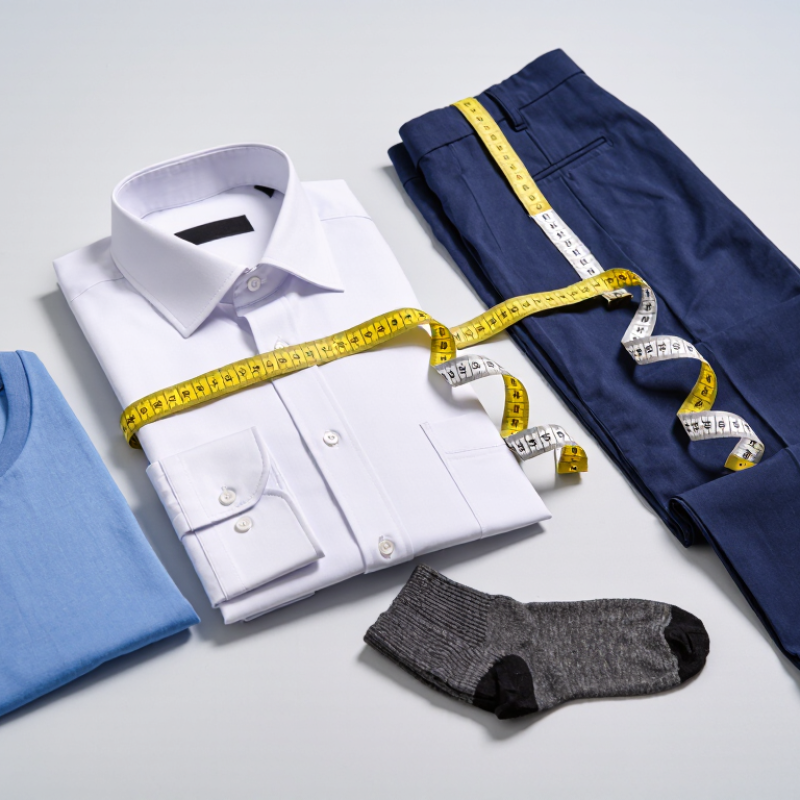
China Best How to Find the Right Size in Mens Clothing?

Understanding Chinese Men’s Clothing Size Systems

Chinese men’s clothing labels often show height and chest measurements, plus a body-shape code. This is more informative than S, M, or L alone. China’s GB/T 1335.1-2008 standard uses body measurements to define men’s sizing. On a label such as 170/88A, 170 and 88 refer to nominal height and chest measurements; A indicates a standard body type. The number is not a promise of garment fit.

The National Health Commission’s 2020 nutrition report put the average height of Chinese men aged 18–44 at 169.7 cm. That population figure offers context, not a shopping rule. Measure your chest at its fullest point, keeping the tape level, then compare it with the seller’s size chart. Check whether the chart lists body measurements or finished-garment dimensions. That distinction matters. Two shirts marked 170/88A may feel different because of cut, fabric stretch, and ease. I would not trust the label alone; these codes can be surprisingly easy to misread.

Taking Accurate Body Measurements

Finding the right men’s clothing size starts with reliable measurements, not assumptions. A soft measuring tape, a mirror, and a few quiet minutes are enough. Wear a thin shirt or measure over underwear, then stand naturally without pulling in your stomach. Keep the tape level and snug, but never tight. For chest, wrap it around the fullest part. Measure your waist where your trousers usually sit, and your hips at their widest point. For sleeve length, measure from shoulder to wrist; for inseam, from the crotch to the ankle.

Tips: Ask someone to help if the tape slips or twists. Take each measurement twice and write it down in inches or centimeters. Small details matter. A tape pulled too firmly can change the result.

Compare your numbers with the size chart for the specific garment, since cuts and measurement methods can vary. Check the chart’s notes: some list body measurements, while others give the garment’s actual dimensions. If you fall between sizes, consider how you want the clothing to fit and whether the fabric stretches. I used to measure over a bulky shirt and wondered why the fit felt loose. It was a small mistake, but an easy one to repeat.

China Best How to Find the Right Size in Mens Clothing? - Taking Accurate Body Measurements

Use a flexible measuring tape and measure over light clothing or directly over the body. Stand naturally, keep the tape level, and hold it snug without compressing the body.

Measurement How to Measure Common Uses Accuracy Tip
Chest Wrap the tape around the fullest part of the chest, passing under the arms and across the shoulder blades. Shirts, jackets, coats, and suit jackets Keep the tape horizontal and breathe normally; do not pull it tightly.
Natural waist Measure around the torso at its natural crease, usually between the lowest rib and the top of the hip bones. Shirts, suits, and general body sizing Stand relaxed and avoid holding in your stomach.
Waist where trousers sit Measure around the body at the position where you normally wear your trousers. Trousers, jeans, and shorts This may differ from the natural waist; use the measurement at the intended waistband position.
Seat / hips Measure around the fullest part of the hips and seat, keeping the tape level. Trousers and shorts Stand with feet together and check the tape in a mirror to ensure it is not angled.
Shoulder width Measure across the back from the outer edge of one shoulder to the outer edge of the other. Shirts, jackets, and coats Ask someone to help; keep the tape following the natural line across the back.
Sleeve length Measure from the shoulder point, along the slightly bent arm, to the wrist bone. Long-sleeve shirts, jackets, and coats Keep the arm relaxed with a slight bend rather than fully extended.
Neck Measure around the base of the neck where a shirt collar normally sits. Dress shirts and collared shirts Leave enough room to slide one finger between the tape and the neck.
Inseam Measure from the crotch point down the inside of the leg to the desired trouser hem. Trousers, jeans, and shorts For a more reliable result, measure a well-fitting pair of trousers laid flat.
Outseam Measure from the top of the waistband down the outside of the leg to the desired hem. Trousers and shorts Measure from the waistband position where the garment will be worn.

Recording measurements: Write each result in centimeters or inches and use the same unit when comparing it with a garment size chart. Clothing size labels and fit can vary, so compare your measurements with the specific garment’s chart whenever one is available.

Matching Measurements to Brand Size Charts

Finding the right size in men’s clothing starts with accurate measurements, not a guess based on your usual size. Use a soft tape measure over a thin shirt. Measure your chest around its fullest point, your waist where trousers normally sit, and your hips if the size chart lists them. Keep the tape level, but do not pull it tight. Write each number down in inches or centimeters.

Compare your measurements with the chart for the specific garment. Size labels can vary between cuts, fabrics, and product types. If your chest matches one size but your waist matches another, check the garment’s fit notes and prioritize the measurement most important to its shape. For a shirt, that may be the chest; for trousers, the waist and inseam matter more. A chart is useful, but it cannot show exactly how a fabric drapes. I sometimes overfocus on one number, and that can lead to a poor fit.

Tips: Measure twice. Check the chart’s units. For a close-fitting item, leave room to move and breathe. If you fall between sizes, review the cut and fabric before choosing. A small difference in tape placement can change the result, so recheck rather than forcing a size to fit.

Checking Garment Fit Across Key Areas

A reliable fit check starts at the shoulders. The shoulder seams should sit close to the edge of your shoulders, not droop down your upper arms. Across the chest, you should be able to move and breathe without pulling buttons or seeing tight folds. Raise your arms gently. If the shirt rides up sharply, the cut may be too tight or too short. Fit can vary between garments, even when the label shows the same size.

Check the waist, seat, sleeves, and trouser length while standing and sitting. A waistband should feel secure without digging in; you should be able to sit comfortably after a meal. Trousers should skim the hips rather than stretch across them. Sleeves typically end near the wrist bone, while trouser hems should rest lightly on your shoes. These are useful guides, not strict rules. I still find posture can change how a garment looks, so a mirror check alone is not always enough.

Tips: Wear a thin layer when trying clothes on. Bend, sit, and reach forward. Look for strain lines, loose fabric, or seams that shift. If two sizes both seem close, choose based on comfort and the intended fit.

Accounting for Fabric, Cut, and Sizing Differences

A size label is only a starting point. Use a soft tape to measure your chest, waist, and shoulders over a thin shirt, then compare those figures with the garment’s own measurements. Leave room to move: a shirt that matches your chest exactly may pull across the buttons when you sit. Small details matter. Check sleeve length with your arms relaxed, not stretched forward.

Fabric changes how a garment feels and fits. Cotton can shrink slightly after washing, especially if the care instructions call for warm water or high heat. Linen often hangs away from the body, while a fabric with elastane may feel snug without restricting movement. Cut matters too. A slim-cut shirt can have narrow sleeves even when the chest measurement seems right. Try raising your arms and reaching for a shelf; a mirror alone misses that test. There is no universal amount of ease that suits everyone.

Sizing also varies between countries and manufacturers, so a familiar letter size may not translate directly. Compare measurements in centimeters or inches, and check whether the chart describes your body or the finished garment. When shopping online, review the return conditions before ordering. A chart helps, but it cannot show exactly how fabric drapes on your frame. I still find this part easy to misjudge.

Men’s Clothing Fit: Chest Measurement Reference

The chart converts common chest-measurement reference points from inches to centimeters (1 inch = 2.54 cm). Measure around the fullest part of your chest, then compare your measurement with the garment’s size chart. Allow for the intended cut and ease: a slim cut typically fits closer than a relaxed cut, while fabric stretch and construction also affect comfort. Size labels vary between makers, so these conversions are measurement references—not universal size recommendations.

FAQS

How should I measure myself for men’s clothing?

Use a soft tape over a thin shirt. Measure your chest, waist, and hips if listed. Keep the tape level, not tight. Write the numbers down.

Should I choose my usual size or follow the chart?

Follow the chart for the specific garment. Size labels vary by cut and fabric. Check whether measurements describe your body or the finished garment.

What should I do if my measurements fall between sizes?

Review the garment’s cut and fabric before choosing. Leave room to move and breathe. I sometimes focus too much on one number.

How can I tell if a shirt fits across the shoulders and chest?

Shoulder seams should sit near your shoulder edges. Buttons should not pull, and you should breathe comfortably. Raise your arms gently. Watch for sharp riding-up.

How should trousers fit at the waist and hips?

The waistband should feel secure without digging in. Trousers should skim your hips, not stretch across them. Sit down to check comfort.

Where should sleeves and trouser hems end?

Sleeves typically finish near the wrist bone. Trouser hems should rest lightly on your shoes. These are guides, not strict rules.

Can fabric change how a garment fits?

Yes. Cotton may shrink slightly after washing, while linen often hangs away from the body. Stretch fabric can feel snug but still allow movement.

What should I check when trying clothes on?

Wear a thin layer, then sit, bend, and reach forward. Look for strain lines, loose fabric, or shifting seams. A mirror can miss things.

Conclusion

Finding the right fit starts with understanding that Chinese men’s clothing sizes may not correspond directly to sizing systems used elsewhere. Rather than relying only on labels such as S, M, or L, take accurate measurements of your chest, waist, shoulders, and height, and compare them with the size chart for each garment. Measurements provide a more dependable starting point, especially when size standards vary.

To determine how to find the right size in men’s clothing, check how a garment sits across key areas: the shoulders should feel comfortable, sleeves should fall naturally, and the body should allow easy movement without excessive looseness. Also consider the fabric, cut, and intended fit. Stretch materials, structured designs, and different tailoring choices can all affect how clothing feels, so use measurements alongside fit details when choosing a size.

Aria

Aria

Aria is a dedicated marketing professional with a deep passion for innovative strategies and a keen understanding of our company's product offerings. With a wealth of experience in the industry, Aria excels at crafting engaging content that highlights the unique features and benefits of our......