Layering men's clothing in winter is not just practical; it's a form of self-expression. As style expert John Doe once said, “Layering is about playing with textures and colors, making winter fashion exciting.” Understanding how to layer men’s clothing in winter can elevate your style while keeping you warm.
The key lies in choosing the right base layers, mid-layers, and outer layers. Start with a snug base layer made of thermal or moisture-wicking fabric. Consider a stylish sweater or a flannel shirt as your mid-layer; this adds warmth and depth to your outfit. Finally, a chic outer layer, like a tailored coat, provides both protection and style.
However, many struggle with balancing function and fashion. Some may opt for bulky items that limit mobility. Others might forget that color coordination is essential for visual appeal. Layering creates the opportunity to blend various elements, but it also challenges you to reflect on your personal style. Embrace the chance to experiment while discovering what works best for you.
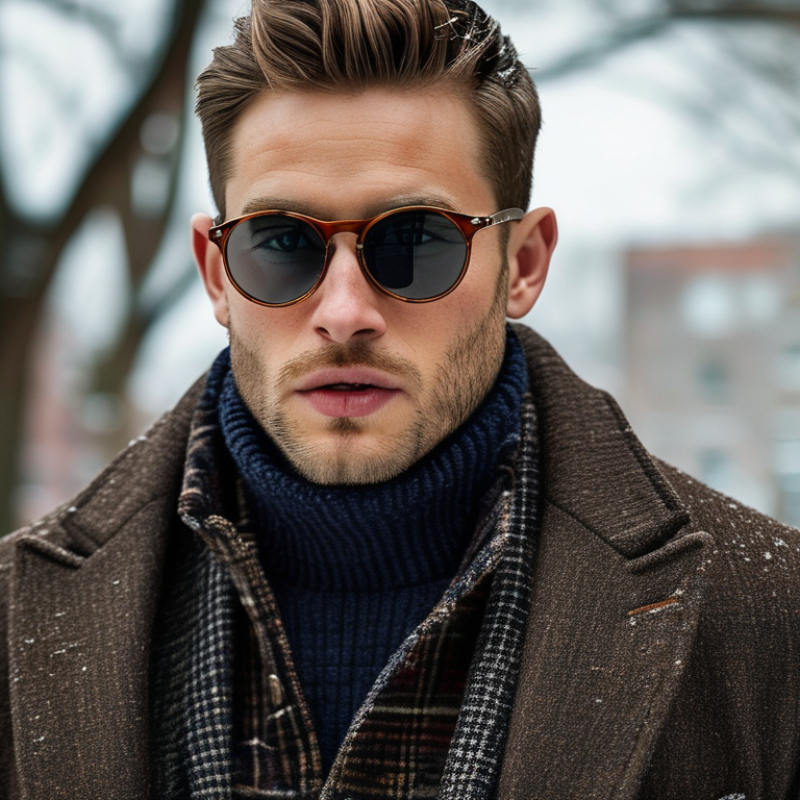
The Importance of Layering in Men's Winter Fashion Trends
Layering in men's winter fashion is not just about warmth; it's an essential element of style. Each layer offers the chance to showcase individual taste. A well-thought-out outfit can transform a simple look into something remarkable. For instance, combining different textures, like a wool sweater over a cotton shirt, adds depth.
Instinctively, many overlook the basics of layering. A common mistake is wearing too many heavy layers, which can appear bulky. Instead, focus on lightweight fabrics that retain heat. This approach allows for flexibility and breathing room. Everyday materials like flannel and merino wool can be surprisingly effective.
Choosing the right colors is also key. Earth tones work well together and create a cohesive look. However, it's easy to fall into the trap of sticking to neutrals. A pop of color in a scarf or hat can elevate the entire outfit. Mixing patterns can be tricky, but when done right, it adds personality. Experimenting with different layers requires creativity and can lead to unexpected, yet stylish outcomes.
Why Layering Men’s Clothing in Winter Is Essential for Style?
| Layer Type |
Material |
Key Features |
Styling Tips |
| Base Layer |
Merino Wool |
Moisture-wicking, temperature-regulating |
Choose fitted styles to avoid bulk |
| Mid Layer |
Fleece |
Insulation, light-weight |
Opt for zip-ups for easier layering |
| Outer Layer |
Waterproof Shell |
Windproof, weather-resistant |
Choose a stylish cut with adjustable features |
| Accessories |
Scarves, Hats, Gloves |
Warmth, style accents |
Mix colors and textures for visual interest |
Understanding Functional Fabrics for Effective Layering Techniques
Layering in winter is not just about warmth; it's about versatility and style. Choosing the right fabrics enhances your layering techniques. Functional fabrics play a key role in this process. For example, moisture-wicking materials keep you dry, while insulating fabrics trap heat. According to a survey by the Textile World, over 70% of consumers prefer clothing that balances style and functionality.
Synthetic materials are popular in winter clothing due to their lightweight nature. They often outperform natural fabrics in moisture management, which is crucial for layering. Wool is another fantastic option, known for its temperature regulation properties. A report from the American Wool Council notes that 90% of wool users report satisfaction with its warmth and breathability. However, synthetic fabrics can sometimes lack the same breathability as natural options, leading to discomfort in certain conditions.
Understanding how to layer with these fabrics can make a significant difference in winter outfits. Start with a base layer that fits snugly. This promotes moisture management, keeping you comfortable throughout the day. The middle layer should focus on insulation—choose materials that work well with your base layer. The outer layer should protect you from wind and moisture. Experimenting with combinations can help discover what works best in different environments. Investing time in understanding these fabrics will elevate your winter styling game.
Styling Strategies: How to Mix Patterns and Textures in Layers
Layering is a skill that every man should master. A well-styled layered look can transform a simple outfit into something remarkable. Mixing patterns and textures is key. Start with a solid base layer, like a fitted turtleneck or crew neck. Next, add a button-up shirt, ensuring it has a contrasting pattern. Stripes and checks work well together but be cautious. The goal is harmony, not chaos.
Tips: When choosing colors, stick to complementary ones. Earthy tones like olive and browns can create a rich appearance. For textures, combine knits with rugged fabrics like denim. This contrast adds dimension to your look. Remember, textures can visually widen or narrow your silhouette. So, choose wisely.
When you layer, think about proportions. A chunky sweater pairs well with slimmer trousers. It creates a balanced silhouette. Don't shy away from experimenting. Sometimes, it feels odd to mix a plaid jacket with a striped shirt. That’s okay. Fashion is about personal expression. Reflect on what resonates with you.
The Role of Accessories in Elevating Layered Winter Outfits
Layering in winter goes beyond just practicality; it’s about expressing individual style.
Accessories play a pivotal role in enhancing layered outfits.
A well-chosen scarf can bring color and texture, while a hat adds a unique flair.
These small touches elevate your look from basic to standout.
When selecting accessories, think about balance.
If you have thicker layers, opt for lighter, more delicate accessories.
A chunky knit beanie may overwhelm a sleek coat.
Similarly, a bold necklace can add interest above a simple turtleneck.
Remember, layering is not just for warmth; it's an expression of your personal taste.
Tip: Experiment with colors and textures.
Mixing materials can create depth. A wool scarf with a leather jacket works beautifully.
Consider the scale of your accessories. A larger bag can complement a full outfit but might drown out a more fitted ensemble.
Ultimately, layering and accessorizing allows for creative expression, even in the chill of winter.
Case Studies: Successful Layering Looks from Men’s Fashion Weeks
Layering is more than just a winter necessity; it’s an art form.
During recent men’s fashion weeks, we observed stunning ensemble combinations that embrace this concept.
For instance, a tailored overcoat layered over a knit sweater paired with a
contrasting denim jacket creates a unique balance.
The combination of textures, colors, and patterns showcases personal style while ensuring warmth.
Street style during these events often features creative layering techniques.
One standout look included a lightweight shirt under a chunky cardigan,
topped with a puffer vest. This layered effect emphasizes depth in outfits.
However, blending layers requires careful thought.
Too many layers can lead to a bulky appearance.
There’s a fine line between stylish and cumbersome, and many missed that mark.
Accessories, such as scarves and hats, can elevate layered looks.
One can see styles that embrace vibrant colors, yet not every attempt is successful.
Some men’s outfits felt crowded, losing the essence of layering.
Reviewing these cases provides essential insights into what works and what doesn’t.
Balancing aesthetics with functionality remains key. Each layer should complement, adding interest without overwhelming.
FAQS
: Begin with a solid base layer like a fitted turtleneck or crew neck.
Stripes and checks complement each other nicely, but be cautious with combinations.
Stick to complementary earthy tones, such as olive and brown, for a rich look.
Yes, combine knits with rugged fabrics like denim to add dimension to your outfit.
Pair chunky sweaters with slimmer trousers for a proportional look.
Yes, experimenting is key. If it feels off, that's part of personal expression.
Avoid too many layers—balance stylishness and avoid looking bulky.
Accessories like scarves and hats can elevate your style, but choose wisely.
Don't overcrowd your outfit, as this can diminish the essence of layering.
Each layer should complement the others without overwhelming the overall look.
Conclusion
Layering is a crucial aspect of men’s winter fashion, providing both style and functionality. Understanding how to layer men’s clothing in winter involves selecting the right fabrics that offer insulation while allowing breathability. Effective layering techniques include combining various textures and patterns to create a visually appealing outfit, ensuring that each layer contributes to comfort without sacrificing style.
Moreover, accessories play a significant role in enhancing layered looks, adding depth and personality to winter outfits. Examining case studies from Men’s Fashion Weeks reveals successful layering strategies that highlight the versatility of winter fashion. By mastering these techniques, men can express their unique style while staying warm and comfortable during the colder months.

 CLStyle Fashion