Choosing the right men’s clothing style can be a daunting task. With so many options available, it’s easy to feel lost. This guide sheds light on how to choose the right men’s clothing style for different occasions. It emphasizes understanding your personal preferences and body type.
Your attire speaks volumes about your personality. A well-chosen outfit boosts confidence and leaves a lasting impression. Start by assessing your wardrobe. Take note of what feels good and what doesn’t. This reflection helps in identifying your unique style.
Various factors influence clothing choices, such as fabric, fit, and color. Experimenting can lead to pleasant surprises. Keep in mind that perfection is a journey, not a destination. It’s okay to make mistakes along the way. Embrace the learning process in discovering what truly resonates with you.
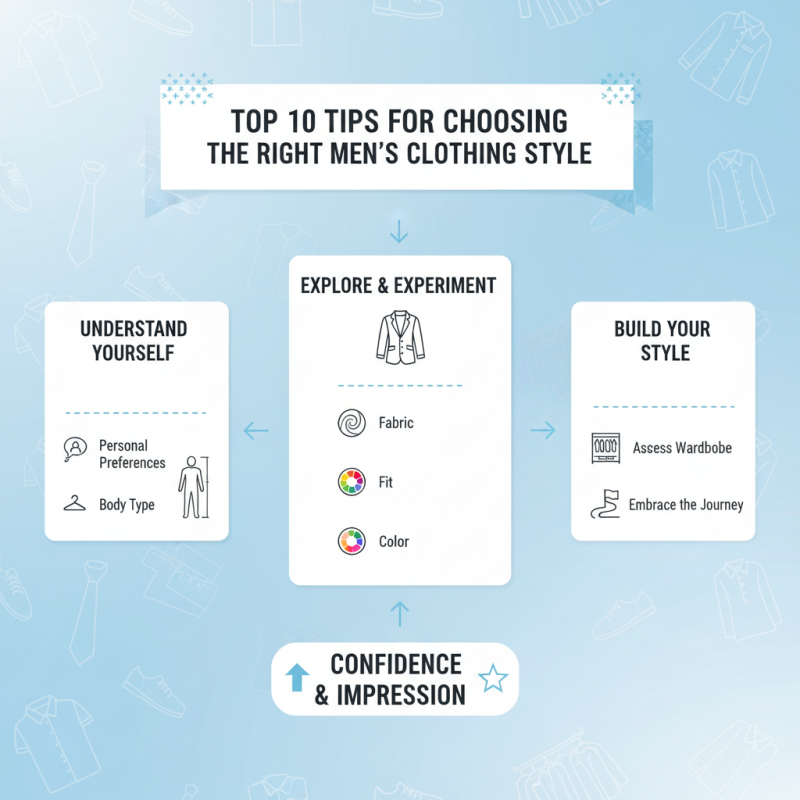
Understanding your body type is crucial when selecting men’s clothing styles. Research indicates that clothing choices significantly impact self-esteem and confidence. The right fit can enhance your appearance, while the wrong one can detract from it. A survey by an industry body found that 70% of men feel more confident when their clothes fit well. Identifying whether you have an athletic, slim, or stocky build guides your clothing decisions.
For those with an athletic body type, tailored pieces and structured silhouettes work best. These styles showcase muscle without looking overly bulky. Conversely, slim figures benefit from clothing that adds bulk, like layered outfits or patterns. Stocky men should opt for vertical stripes and structured jackets. Each choice directly influences how your body is perceived.
However, many overlook their unique proportions. Relying solely on trends can lead to poor choices. The industry reports that 65% of men don’t consider their body shape when shopping. This often results in clothing that fails to flatter. Instead of chasing trends, reflecting on your body type can lead to better, more flattering wardrobe decisions. Prioritizing fit over fashion can transform how you feel in your clothes.
Identifying your personal style is crucial for making a strong impression. Start by understanding the three main categories: casual, business, and formal wear. Casual style allows for creativity. Think comfortable jeans, graphic tees, or casual sneakers. These pieces reflect your personality while ensuring comfort.
Business wear demands a different approach. Aim for polished looks that exude professionalism. Opt for tailored blazers, crisp shirts, and dress shoes. The challenge lies in balancing personal touches without straying from corporate norms. Incorporating subtle colors or unique accessories can make your outfit memorable.
Formal attire is where you can showcase elegance. A well-fitted suit or tuxedo speaks volumes about your style. Pay attention to details, like the perfect tie or cufflinks. However, it can be daunting to navigate formal settings, as sometimes, less is more. Avoid overcomplicating your outfit; simplicity often creates a powerful and sophisticated look. Reflect on how each style resonates with your identity before making choices.
Choosing the right shades can dramatically affect one's appearance. Understanding color theory is crucial for selecting clothing that complements skin tone. For instance, individuals with warm undertones usually look better in earthy colors. Those with cool undertones shine in jewel tones.
Research from the Color Marketing Group found that 70% of consumers say color influences their purchasing decisions. Choosing the right color can also enhance confidence. Studies indicate that wearing flattering colors can affect how others perceive you. For example, blue often conveys trustworthiness, while red can signify power.
However, many men struggle with color. They often default to neutral shades. This can lead to a monotonous wardrobe. Experimenting with various hues could yield refreshing results. A 2019 survey revealed that 62% of men admitted to playing it safe with colors. Beyond basic blacks and whites, exploring unique combinations can help create a distinct personal style. Using colors that resonate with personal identity is not often prioritized, yet it makes a significant difference.
Choosing the right fabric is essential for any man’s clothing style. Comfort should always be a priority. Soft cotton is ideal for casual wear. It breathes well and feels great on the skin. For formal events, wool offers sophistication and warmth. A well-tailored wool suit can elevate any occasion. Linen is another excellent option. It is light and perfect for summer days.
Seasonality plays a crucial role in fabric selection. In colder months, thicker fabrics like flannel or heavy knits are suitable. They not only keep you warm but also offer a stylish look. During warmer months, lighter fabrics like khaki or denim are more appropriate. Consider the occasion as well. A relaxed gathering may call for breathable fabrics, while a business meeting may require something more structured.
It’s important to reflect on the choices you make. Are you prioritizing style over comfort? This can lead to an uncomfortable experience. Sometimes, even the best-looking outfits can feel restrictive. Choosing the right fabric requires balancing these elements. Listen to your body. If it feels good, you’ll project confidence and ease. Pay attention to how different fabrics complement your personal style.
When it comes to men’s fashion, the debate between investing in timeless pieces or following trends is crucial. According to a report from McKinsey & Company, the global apparel market is projected to reach $2 trillion by 2025. This highlights the potential growth of fashion but also emphasizes the need for strategic purchasing decisions. Quality clothing can often be more expensive upfront but pays off over time.
Investing in timeless pieces means choosing clothes that won’t go out of style. A classic blazer or a well-fitted pair of trousers can last for years. They resist the passing trends that dominate the fashion landscape. Insights from the Fashion Institute of Technology show that clothing brands with a focus on quality over quantity often see a higher customer loyalty rate, indicating that buyers appreciate longevity in their wardrobe choices.
On the flip side, trends can be alluring but are fleeting. Fast fashion often encourages overspending on items that may only be worn a few times. A survey by Statista found that 60% of consumers are aware of the negative impact of fast fashion. Reflecting on your purchases—what you need versus what’s trendy—can save money in the long run. Balancing budgets while investing in quality is essential for building a wardrobe that serves you well.
: The three main categories are casual, business, and formal wear. Each represents a different approach to fashion.
Casual wear allows creativity. Think of comfortable jeans, graphic tees, and casual sneakers that reflect who you are.
Business wear should be polished and professional. Tailored blazers and crisp shirts are essential for a professional look.
Focus on elegance. A well-fitted suit or tuxedo is key. Pay attention to details like ties and cufflinks.
Color can dramatically affect appearance. It influences how others perceive you and can boost your confidence.
Soft cotton is great for casual wear while wool provides sophistication for formal events. Comfort is crucial.
Choose thicker fabrics for colder months and lighter ones for summer. This helps maintain comfort and style in any season.
Many default to neutral shades, leading to a monotonous wardrobe. Experimenting with colors can refresh personal style.
Reflect on your choices. Prioritize comfort to avoid feeling restricted. Your wardrobe should enhance your confidence.
Choosing the right men’s clothing style is essential for looking sharp and feeling confident. To start, understanding your body type can greatly influence clothing choices, ensuring that you select styles that highlight your strengths. Additionally, identifying your personal style—whether it’s casual, business, or formal—allows you to create a wardrobe that resonates with your lifestyle.
Incorporating color theory is another vital aspect, as selecting shades that complement your skin tone can enhance your overall appearance. When it comes to fabrics, consider comfort, seasonality, and the occasion for which you are dressing. Lastly, budgeting wisely by investing in timeless pieces rather than fleeting trends will ensure that your wardrobe remains both stylish and functional in the long run.

CLStyle Fashion