A well-dressed man does not need an expensive wardrobe. He needs clothing that fits, suits the occasion, and looks intentionally chosen. Yet small errors can weaken an otherwise polished appearance. A stretched collar, trousers pooling over the shoes, or a jacket buttoned incorrectly may distract before anyone notices the outfit’s quality.
So, what clothing mistakes do men often make? Many men buy the wrong size, follow trends without considering their body shape, or ignore basic garment care. Others wear athletic shoes with every outfit, choose mismatched colors, or leave visible brand labels on formal clothing. These choices are not always careless. Sometimes, the mirror, changing-room lighting, and rushed shopping decisions hide important details.
The most useful style advice comes from practical observation, not rigid rules. A tailor can reveal that a sleeve is one centimeter too long. Natural daylight can expose faded black fabric. Sitting down can show whether trousers are too tight. These simple checks often matter more than a designer name. Still, even experienced dressers make mistakes. I have chosen comfort over structure and regretted it at important events.
This guide examines ten common clothing mistakes men often make. Each point focuses on fit, fabric, coordination, grooming, and context. The goal is not perfection. It is building better judgment through realistic examples, dependable principles, and honest reflection. Small corrections can make everyday clothing appear sharper, calmer, and more confident.
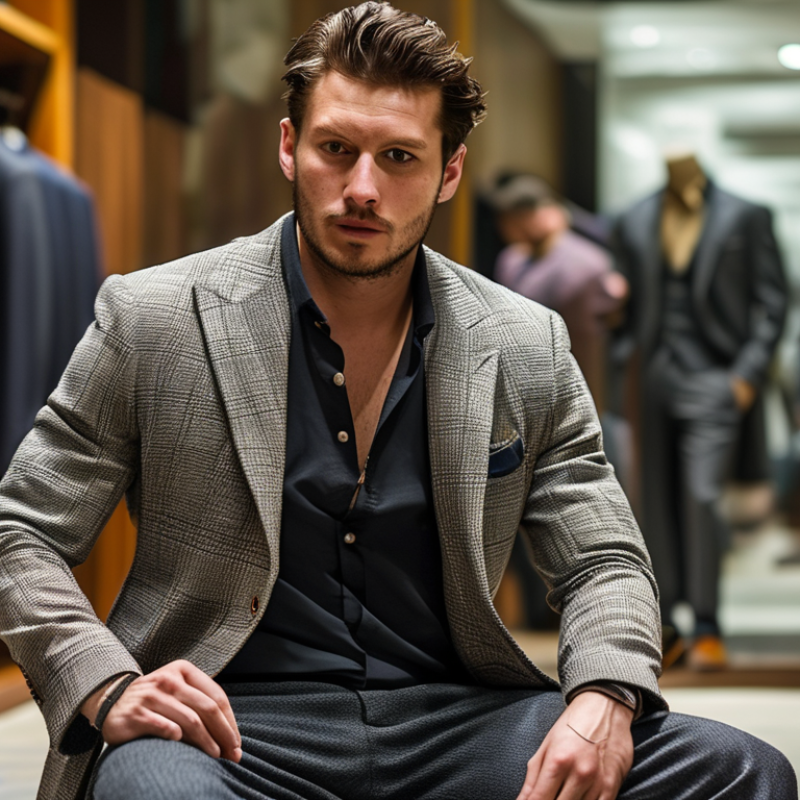
Top 10 Clothing Mistakes Men Often Make?
Choosing the wrong fit is the most visible mistake. Clothes should follow the body without clinging or collapsing. Shoulder seams belong near the shoulder edge, not halfway down the arm. Shirt cuffs should show slightly beneath a jacket sleeve. Trousers need clean lines, not fabric pooling around the shoes. The 2023 Consumer Returns in the Retail Industry report from NRF and Appriss Retail recorded a 14.5% return rate across U.S. retail sales. The report covers every category, but fit makes online clothing especially risky. A medium is not automatically your medium. Measure your chest, waist, inseam, and preferred garment length.
Proportion creates the quieter problems. A long shirt with low-rise trousers can make the legs appear shorter. A cropped jacket may balance a longer torso, but it can look awkward with a very high waist. Body shape matters more than fashion rules. WRAP reported that UK households discard roughly 700,000 tonnes of clothing each year, making careless purchases an expensive environmental habit. I still think many men overcorrect by choosing oversized clothes. It feels comfortable. It often hides the body instead of improving the silhouette. Try one deliberate change at a time, then inspect the outfit from the side. Mirrors can mislead. A trusted tailor or honest friend may notice the imbalance first.
Choosing the wrong fit and ignoring basic proportions are among the most visible style problems. This practical checklist ranks common mistakes by their estimated impact on overall appearance; it is an editorial guide rather than a population survey.
Top 10 Clothing Mistakes Men Often Make: Mismatching Colors, Patterns, and Clothing Styles
Many men combine colors without checking their undertones. Navy trousers with a cool white shirt usually look cleaner than bright white with warm beige. Three strong colors can compete quickly. Try one dominant color, one supporting shade, and a quiet neutral. In daylight, check the outfit from a distance. Indoor lighting hides awkward contrasts. I still make this mistake sometimes.
Patterns need breathing room. A large-check shirt can overwhelm narrow stripes, especially when both patterns have similar contrast. Choose one noticeable pattern, then keep the remaining pieces simple. Match colors, not identical designs. The 2024 State of Fashion report from McKinsey and The Business of Fashion highlights stronger consumer focus on value and versatility. A versatile wardrobe also reduces careless pattern combinations.
Style mismatch is subtler. A structured jacket, running shoes, and heavily distressed jeans may each look good separately. Together, they can send conflicting signals. Match the outfit’s formality before matching accessories. PwC’s 2024 Voice of the Consumer Survey found that consumers were willing to pay an average 9.7% more for sustainably produced goods. That supports buying fewer, better-fitting pieces that work across settings. Fit still matters most. A slightly loose sleeve can ruin an otherwise thoughtful outfit. Stand naturally, move your arms, and inspect the shoulder line before leaving.
| Rank | Common Clothing Mistake | Typical Mismatch or Error | How Often It Appears | Visual Impact | Why It Does Not Work | Practical Correction |
|---|---|---|---|---|---|---|
| 1 | Wearing Too Many Colors | Combining several bright or unrelated colors in one outfit. | High | ★★★★★ | The outfit lacks a clear focal point and can look visually busy. | Use two neutral colors with one controlled accent color. |
| 2 | Mixing Conflicting Patterns | Pairing large checks with bold stripes or multiple high-contrast prints. | Medium | ★★★★★ | Patterns compete for attention when their scale and contrast are too similar. | Limit the outfit to one dominant pattern and keep the remaining pieces solid. |
| 3 | Ignoring Color Temperature | Combining warm earth tones with cool shades without a coordinating neutral. | Medium | ★★★★☆ | The colors may appear disconnected rather than intentionally coordinated. | Repeat one color family or bridge the combination with gray, navy, white, or brown. |
| 4 | Wearing Poorly Fitting Clothes | Combining oversized tops with very slim trousers, or wearing sleeves and hems at the wrong length. | High | ★★★★★ | Incorrect proportions can make even high-quality clothing look untidy. | Check shoulder seams, sleeve length, trouser break, and overall balance. |
| 5 | Mixing Incompatible Clothing Styles | Pairing formal trousers with very casual athletic footwear or a distressed top. | High | ★★★★☆ | The formality levels do not create a consistent visual message. | Match the formality of shoes, trousers, outerwear, and accessories. |
| 6 | Using the Wrong Sock and Trouser Combination | Wearing athletic socks with tailored trousers or socks that expose too much leg when seated. | Medium | ★★★☆☆ | The transition between the shoe and trouser appears accidental. | Choose sock length and texture according to the shoe and trouser style. |
| 7 | Overmatching Accessories | Matching the belt, watch strap, shoes, bag, and other accessories too literally. | Medium | ★★★☆☆ | Exact repetition can make the outfit look overly deliberate and rigid. | Coordinate leather tones and metals without requiring every accessory to be identical. |
| 8 | Wearing Formal and Casual Fabrics Together | Combining a very smooth formal shirt with heavily worn denim or rugged outerwear. | Medium | ★★★☆☆ | Different fabric textures can clash when there is no shared color or level of refinement. | Balance texture by adding one connecting layer, such as a knit, cotton overshirt, or refined casual jacket. |
| 9 | Ignoring Occasion and Dress Code | Wearing casual clothing to a formal setting or overdressing for a relaxed social event. | Medium | ★★★★☆ | Clothing communicates respect for the setting and expectations of the occasion. | Confirm the dress code and choose an outfit one level more polished when uncertain. |
| 10 | Neglecting Garment Condition | Wearing wrinkled shirts, scuffed shoes, loose threads, or visibly worn collars. | High | ★★★★☆ | Maintenance problems can undermine an otherwise coordinated outfit. | Steam or press garments, clean footwear, remove loose threads, and replace damaged basics. |
A well-fitting outfit can still look wrong when it ignores the occasion or season. I learned this after attending a summer garden party in a dark wool jacket. The fabric felt heavy, and sweat quickly ruined my polished appearance. Clothing should respond to the setting, not only your personal taste.
For formal events, choose structured pieces, clean shoes, and restrained colors. A lightweight suit works better for warm weather than thick layers. In winter, add a proper coat instead of wearing a casual hoodie over formal trousers. Outdoor weddings, office meetings, and evening dinners all require different levels of formality. Check the invitation carefully. When details are unclear, asking the host is more reliable than guessing.
Weather, venue, and expected activities can all change what clothing works best.
Weather also changes how clothing performs. Linen or breathable cotton can reduce discomfort during humid days. Wool blends and layered knitwear offer better control in colder conditions. Avoid wearing sandals to a business meeting, even during a heatwave. Likewise, heavy boots may look awkward at a summer lunch.
I still make mistakes.
Sometimes I dress too formally because I fear looking careless. That instinct can create distance. A practical test helps: consider the venue, forecast, travel time, and expected activities. Try the full outfit before leaving, including outerwear. A mirror reveals only part of the problem; sitting, walking, and bending expose the rest. Clothes should support the moment, not compete with it.
Men often build an outfit from the shirt down, then treat shoes as an afterthought. That habit quietly weakens an otherwise careful appearance. Shoes carry visual weight and reveal daily discipline. Choose clean, well-fitting pairs for the setting, not merely comfortable ones. A dusty sole can undermine tailored trousers. So can worn heel edges. I have made this mistake myself.
Accessories should support the outfit rather than compete with it. A simple watch, restrained belt, and tidy wallet usually provide enough structure. Match leather tones when possible, but do not chase perfect symmetry. Overmatching can look rehearsed. Fit matters too. Loose bracelets slide, while oversized rings distract during conversation. Empty pockets create a cleaner silhouette. Many men ignore this until photographs expose it.
Personal grooming is not vanity; it is basic maintenance. Trim stray nose and eyebrow hairs, clean beneath fingernails, and check your collar before leaving home. Facial hair should look intentional, even when it is short. Use a light, appropriate scent, and remember that fresh breath matters more than fragrance. Hair with visible grease or an untidy neckline can change the whole impression. I still forget the collar check on rushed mornings. A mirror catches what confidence misses. Appearance should allow personality, not erase it. Yet neglect is not personality.
Top 10 Clothing Mistakes Men Often Make?
Many men buy clothes for appearance, then ignore care, quality, and versatility. A white shirt stays on a damp chair overnight. Its collar loses shape quickly. Washing every item on a hot cycle also causes avoidable damage. WRAP’s Valuing Our Clothes report estimates that extending a garment’s life by nine months can reduce its carbon, water, and waste footprints by 20–30%. That makes careful washing more than a style preference.
Common mistakes include using too much detergent, skipping care labels, and drying delicate fabrics under harsh heat. Cheap construction creates another problem. Loose seams, weak buttons, and thin fabric often make replacement more likely. The Ellen MacArthur Foundation’s A New Textiles Economy report found that clothing utilization has fallen by 36% compared with 15 years ago. Many wardrobes are full, yet strangely limited. Ten shirts may still create only two reliable outfits.
Versatility requires practical choices. A navy overshirt, sturdy trousers, clean knitwear, and neutral shoes can support several settings. Fit matters more than decoration. I still buy occasional “special” pieces that match almost nothing. That mistake is expensive. Before purchasing, check the fabric, stitching, repair potential, and at least three possible outfits. Store knitwear folded, air suits after use, and repair small faults early. The Textile Exchange Materials Market Report 2024 recorded global fiber production at 124 million tonnes in 2023, showing why longer garment use deserves serious attention. A wardrobe should not merely look full. It should work hard.
Clothes should follow the body without clinging or collapsing. Shoulder seams should sit near the shoulder edge. Trousers should fall cleanly without pooling at the shoes. Measure your chest, waist, inseam, and preferred garment length.
Proportion changes how the body appears. A long shirt with low-rise trousers can shorten the legs visually. Try one deliberate change at a time. Check the outfit from the side, too.
Not always. Oversized clothing may feel comfortable but hide the body. It can weaken the overall silhouette. I sometimes choose loose pieces too quickly. A tailor or honest friend may notice the imbalance.
Consider the venue, forecast, travel time, and planned activities. Formal events usually need structured pieces and clean shoes. A summer garden party may require breathable fabric instead of heavy wool. Check the invitation carefully.
Breathable cotton or linen can reduce discomfort during humid weather. Wool blends and layered knitwear help in colder conditions. Heavy boots may look awkward at a summer lunch. Clothing should respond to the setting.
Wear the complete outfit, including outerwear. Sit, walk, and bend. A mirror shows only part of the problem. Movement may reveal tight sleeves, exposed ankles, or uncomfortable trousers.
Shoes carry strong visual weight. Clean the soles and inspect worn heel edges. A simple watch and tidy belt usually provide enough structure. Overmatching can look rehearsed. Keep pockets reasonably empty.
Check your collar, fingernails, eyebrows, and neckline. Facial hair should look intentional. Fresh breath matters more than strong fragrance. I still miss the collar check on rushed mornings. Small details matter.
Men’s style mistakes often come from overlooking fit, proportion, and overall balance. Many men wear clothing that is too tight or too loose, choose colors and patterns that clash, or combine pieces from different styles without creating a cohesive look. Another common problem is dressing inappropriately for the occasion or season, such as wearing heavy fabrics in warm weather or choosing overly casual clothes for a formal setting. Understanding what clothing mistakes do men often make can help build a more confident and practical wardrobe.
Details also make a significant difference. Untidy shoes, excessive accessories, and poor personal grooming can weaken an otherwise well-planned outfit. Men may also neglect proper garment care, buy low-quality items that lose their shape quickly, or fill their wardrobes with pieces that are difficult to combine. Choosing versatile clothing, maintaining it carefully, and paying attention to fit, cleanliness, and context can create a polished appearance without requiring an excessive number of clothes.

CLStyle Fashion