Top 10 Ways to Match Mens Outfits Properly

Time:2026-10-23 Author:Liam
0%

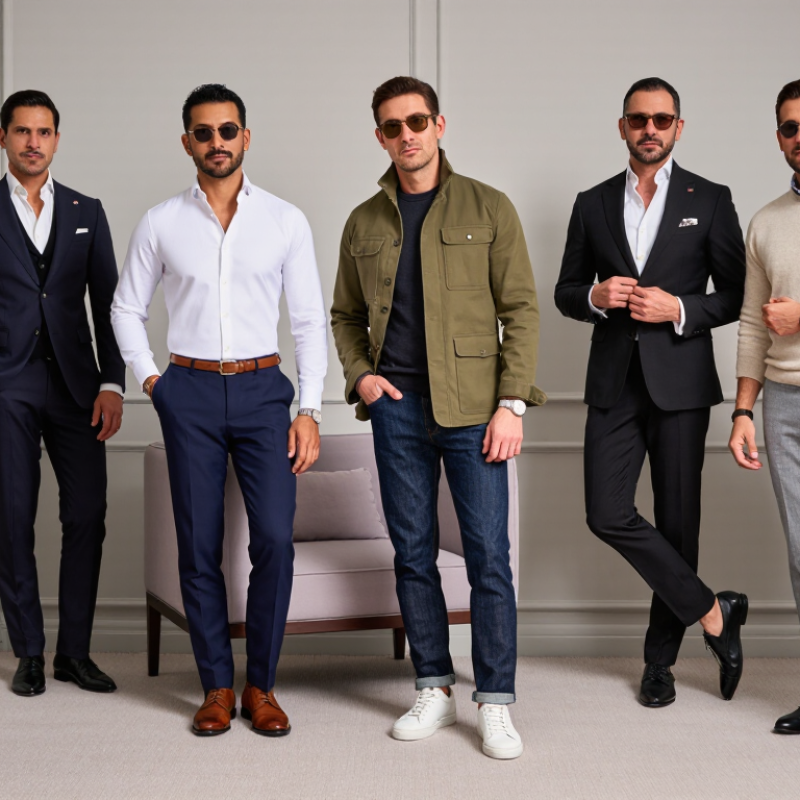
Learning how to match men’s outfits properly is less about copying trends and more about making deliberate choices. A strong outfit begins with fit, proportion, color, texture, and context. The right navy jacket can look polished with grey trousers, yet careless with faded athletic shoes. Small details matter. So does comfort.

Menswear authority Alan Flusser, author of Dressing the Man, states, “Fit is the foundation of style.” This principle remains useful because even expensive clothing can appear awkward when sleeves are too long or trousers pool over the shoes. Personal experience often confirms it. A simple, well-fitted shirt may look sharper than a branded piece worn without care.

This guide explores the top 10 ways to match men’s outfits properly in practical situations. It considers office dressing, casual weekends, formal events, seasonal layering, footwear, accessories, and color balance. Each section focuses on choices that can be tested in front of a mirror, not rules that demand perfection. That matters because style is partly personal judgment.

Some combinations will fail.

A brown belt may clash with black loafers. A bold pattern may overpower an otherwise calm outfit. These mistakes are useful when they reveal what feels unbalanced. Readers should also question advice that treats one body type, age, or lifestyle as the standard. Reliable style guidance should adapt to real wardrobes, changing weather, budgets, and individual confidence. The goal is not to dress identically. It is to look intentional, comfortable, and appropriately prepared.
Top 10 Ways to Match Mens Outfits Properly

Define Your Personal Style and Outfit Requirements

Top 10 Ways to Match Mens Outfits Properly

Define Your Personal Style and Outfit Requirements

Personal style starts with evidence, not labels. Track your weekly settings, including work, travel, exercise, and social events. Note the weather, movement, and laundry time each outfit requires. A linen shirt may feel ideal outdoors, but it may wrinkle badly during a long commute. Fit your clothes to real life.

A practical wardrobe should solve repeated problems. WRAP reports that extending clothing use by nine months can reduce carbon, water, and waste footprints by around 20–30%. That finding supports buying fewer, more adaptable pieces. Choose trousers that work with shirts, knitwear, and casual jackets. Keep your main colors restrained, then add one noticeable texture or accent. Simple combinations are easier to repeat.

Industry pressure also affects personal choices. The State of Fashion 2024 report from McKinsey & Company and The Business of Fashion found that 39% of surveyed fashion executives expected conditions to worsen. Value matters. Before purchasing, ask whether the item matches at least three existing outfits. Check shoulder seams, sleeve length, and trouser break in natural movement. Stand up. Walk around. I sometimes overvalue appearance in a fitting room and regret the choice later. Your style can remain unfinished. That is useful. Review your wardrobe every season, remove uncomfortable pieces, and adjust your requirements as your routine changes.

Choose a Balanced Color Combination

Balanced color combinations make men’s outfits look intentional, even when the clothing is simple. A practical rule is 60-30-10: use one dominant color, one supporting shade, and one small accent. Navy trousers, a white shirt, and a muted brown belt follow this structure naturally. Keep it quiet.

Color temperature also matters. Cool shades, such as navy, grey, and icy blue, usually create a cleaner visual line. Warm shades, including olive, rust, and camel, add softness and texture. Combining opposite temperatures can work, but the contrast needs control. A rust overshirt with dark navy jeans feels considered; a bright red shirt with orange trousers may feel accidental.

The Pantone Color Institute’s seasonal trend reports consistently track neutral tones alongside expressive accent colors, reflecting how versatile wardrobes balance stability with personality. The 2024 ThredUp Resale Report estimated that the global secondhand apparel market could reach 350 billion dollars by 2028. That forecast supports choosing adaptable colors, because garments in navy, cream, charcoal, and olive often work across more outfits. My own fitting experience suggests starting with the shoes, then matching the belt and outer layer. Still, this method is not perfect. Lighting changes color dramatically. A grey jacket can look green indoors. Test combinations near a window before leaving. Use one strong color only when the rest of the outfit stays restrained.

Coordinate Patterns, Textures, and Fabrics

Top 10 Ways to Match Mens Outfits Properly

Coordinate Patterns, Textures, and Fabrics

Good coordination begins with fabric, not color. A crisp cotton shirt works well with a softly brushed wool jacket. The contrast creates depth without looking forced. Textile Exchange’s 2024 Materials Market Report recorded 124 million tonnes of global fiber production in 2023. That volume makes thoughtful material choices increasingly important.

Use one dominant pattern. Let smaller patterns support it. A fine-check shirt can sit beneath a plain textured blazer. Keep the scale different. Matching two bold patterns often creates visual noise. I prefer one patterned item, one textured item, and one quiet fabric. It is not a strict rule, though. Sometimes breaking it works.

Texture also changes how colors appear. Navy flannel looks softer than navy poplin. Linen reflects light differently from dense cotton. Try touching fabrics together before dressing. Rough tweed beside glossy satin may feel accidental. A smoother knit can bridge them. The Ellen MacArthur Foundation reported that clothing utilization fell 36% between 2002 and 2015. Better coordination can encourage longer wear, but my early combinations were not always successful. I still occasionally choose comfort over perfect balance.

Fit remains essential. A beautiful fabric pairing cannot rescue stretched shoulders or pooling trousers. Keep jacket structure close to your natural frame. Leave enough room for movement. Check the outfit in daylight. Indoor lighting hides fabric differences. Small adjustments matter.

Top 10 Ways to Match Men's Outfits Properly

Coordinate Patterns, Textures, Fabrics, and Color Contrast

The chart compares the WCAG relative luminance contrast ratio of ten common menswear color pairings, calculated from their listed sRGB colors. Use stronger contrast to define a clear focal point, then balance it with quieter patterns, complementary textures, and fabrics of similar visual weight.

Match Clothing Proportions, Fit, and Layering

Top 10 Ways to Match Mens Outfits Properly

Good menswear matching starts with proportion, not color. In fittings, I compare jacket length with trouser rise. A short jacket can balance high-waisted trousers. Wide trousers need enough jacket structure above them. Otherwise, the body may look heavy below. Keep the visual center clear. Sleeves should reveal a small shirt cuff. Trouser hems should rest lightly on the shoe, not collapse excessively. These small adjustments often make an outfit look intentional.

Fit matters more than expensive fabric. Shoulder seams should sit near the natural shoulder edge. The chest needs room without pulling across buttons. Trousers should follow the legs without clinging. Leave space for comfortable movement. Too much fabric can look careless. Too little can look strained. I have sometimes chosen a tighter fit, thinking it looked sharper. Later, sitting and walking proved me wrong. Comfort is useful evidence.

Layering works best when each piece has a visible purpose. A thin base layer should sit smoothly beneath a shirt. Add a textured middle layer for warmth and depth. Use a structured outer layer to hold the shape. Avoid stacking bulky fabrics in the same area. Show small sections of contrasting texture at the collar, cuffs, or hem. Neutral colors can support complex layering. Still, rules are not perfect. A deliberately uneven sleeve or relaxed hem can work when the overall proportions remain controlled.

Complete the Outfit with Suitable Shoes and Accessories

Shoes and accessories often decide whether menswear looks intentional or merely assembled. Begin with the shoes. Clean leather shoes suit tailored trousers, while simple sneakers support denim and relaxed cotton. Match the shoe’s visual weight with your clothing. Heavy boots can overpower slim trousers. Thin loafers may look weak with wide, rugged jeans.

The 2024 PwC Voice of the Consumer Survey found that 46% of consumers would pay more for sustainably produced goods. That supports choosing fewer, better-made accessories, such as a durable belt, a practical watch, and a structured bag. The ThredUp 2024 Resale Report projects the global secondhand apparel market will reach 350 billion dollars by 2028. I see a useful lesson here: quality and versatility matter more than constant replacement. Still, I sometimes overmatch colors. A perfectly identical belt and shoe can look stiff. Slight contrast usually feels more natural.

Tips: Keep one accessory as the focal point. Brown shoes work well with navy, olive, and beige. Black shoes create a sharper effect with charcoal or dark trousers. Match metal details when possible, but do not treat this as a strict rule. Let your outfit include one relaxed element, such as suede shoes with a formal jacket. Check the full silhouette in a mirror. Walk, sit, and inspect the trousers’ break. Small adjustments often matter more than expensive pieces.

Top 10 Ways to Match Men's Outfits Properly - Complete the Outfit with Suitable Shoes and Accessories

No. Matching Principle Recommended Clothing Combination Suitable Shoes Suitable Accessories Best For Common Mistake to Avoid
1 Coordinate colors by contrast Pair a light shirt with darker trousers, such as a white or pale blue shirt with navy or charcoal trousers. Brown leather loafers, derby shoes, or clean white low-top sneakers. Leather belt matched closely to the shoe color and a simple watch. Office and smart-casual settings Combining too many bright colors in one outfit.
2 Match formality levels Wear a tailored blazer with a collared shirt, chinos, or pressed trousers. Derby shoes, monk-strap shoes, or polished loafers. Structured belt, understated pocket square, and a slim analog watch. Business-casual events Wearing athletic running shoes with a formal blazer.
3 Use tonal dressing Build the outfit with different shades of one color, such as light blue, medium blue, and navy. Brown, tan, or dark navy shoes that provide a subtle contrast. Textured belt, neutral watch strap, and a muted scarf in cooler weather. Modern everyday dressing Using exactly the same shade and fabric from head to toe.
4 Balance patterns carefully Combine one patterned item, such as a checked shirt, with solid trousers and a simple outer layer. Plain leather shoes or minimal sneakers in a color already present in the outfit. Solid-colored tie, pocket square, or watch; keep other details quiet. Social occasions and relaxed offices Mixing several large or high-contrast patterns together.
5 Coordinate leather accessories Wear neutral trousers with a shirt, overshirt, or jacket that complements the leather accessories. Leather shoes in a similar color family to the belt. Match the belt and shoe color; a leather watch strap may follow the same palette. Polished casual and professional outfits Pairing a very dark belt with noticeably lighter formal shoes.
6 Choose shoes for the trouser shape Pair slim or straight-leg trousers with a clean silhouette and avoid excessive fabric pooling at the ankle. Streamlined loafers or low-profile sneakers for narrow trousers; chunkier shoes for wider legs. Minimal accessories that do not compete with the trouser silhouette. Contemporary casual outfits Wearing bulky footwear with very narrow trousers.
7 Dress for the occasion Use a suit or tailored separates for formal events, and chinos or dark denim for relaxed occasions. Oxfords or polished derbies for formal settings; loafers or clean sneakers for casual settings. For formal wear, add a tie and pocket square; for casual wear, use a simple belt and watch. Weddings, interviews, dinners, and events Being significantly more formal or casual than the event requires.
8 Coordinate textures by season Combine breathable cotton or linen in warm weather and heavier wool, flannel, or knit fabrics in cold weather. Canvas sneakers or suede loafers in warm weather; leather boots or sturdy derbies in cold weather. Lightweight sunglasses and a woven belt in summer; scarf and gloves in winter. Seasonal and climate-appropriate dressing Wearing heavy winter textures with lightweight summer footwear.
9 Keep accessories proportional Choose clothing with a clean fit so that accessories complement rather than dominate the overall appearance. Footwear with a shape that matches the outfit's overall scale and structure. One prominent accessory is usually enough; balance a bold watch or bracelet with simpler items. Everyday styling and smart-casual looks Combining oversized jewelry, a large watch, and multiple statement pieces.
10 Prioritize fit and finishing details Wear clean, well-fitted clothing with trousers hemmed appropriately and shirts free from excessive bunching. Clean, well-maintained shoes with suitable shape and adequate support. Pressed pocket square, tidy belt, coordinated socks, and a functional watch. All occasions and personal style Relying on expensive-looking accessories while ignoring poor fit or worn footwear.

FAQS

What is a simple color formula for coordinating a men’s outfit?

Try the 60-30-10 rule: one dominant color, one supporting shade, and one small accent.

Which colors create a clean and flexible wardrobe?

Navy, cream, charcoal, and olive combine easily across many outfits. They also feel calm.

Can warm and cool colors be worn together?

Yes, but control the contrast. Rust with dark navy feels balanced, while bright red and orange may look accidental.

How can I avoid using too many strong colors?

Choose one strong color only. Keep the remaining pieces quiet and restrained.

Should I match my belt with my shoes?

Usually, yes. Start with the shoes, then coordinate the belt and outer layer.

Why should I check colors near a window?

Indoor lighting can change colors. A grey jacket may appear slightly green inside.

How should patterns and textures work together?

Use one dominant pattern. Add a smaller pattern or a quiet textured fabric for support.

What fabric combinations create visual depth?

Crisp cotton with brushed wool works well. A smooth knit can connect rough and shiny fabrics.

Is matching two bold patterns a good idea?

Usually not. Similar strong patterns can create visual noise, though exceptions exist.

Why does fit matter when coordinating fabrics?

Good materials cannot fix stretched shoulders or pooling trousers. Leave room for movement and check the outfit in daylight.

Conclusion

Learning how to match men’s outfits properly begins with understanding your personal style, daily activities, and the level of formality required. Choose clothing that reflects your personality while remaining suitable for the occasion. Build a balanced color combination by pairing neutral foundations with one or two complementary shades, avoiding too many competing colors. Patterns should be coordinated thoughtfully, and different textures or fabrics can add depth without making the outfit appear busy.

Proper proportions, a comfortable fit, and effective layering are also essential. Make sure each garment works with your body shape and that layers create a clean, organized silhouette. Finally, complete the look with suitable shoes and accessories that support the outfit’s overall tone. Belts, watches, bags, and other details should be practical, coordinated, and kept in proportion. With these principles, you can create polished, versatile outfits that look intentional and feel comfortable in everyday situations.

Liam

Liam

Liam is a dedicated marketing professional with a profound expertise in the industry, where he excels at highlighting the unique advantages of our core products. With a keen understanding of market trends and consumer needs, Liam frequently updates our company’s professional blog, providing......