The global men's dress trousers industry has transitioned from traditional structured formal wear to a highly dynamic, multi-functional apparel category. Driven by shift-to-casual workspace policies, hybrid professional setups, and the convergence of technical sportswear with sartorial aesthetics, the demand for sophisticated yet exceptionally comfortable dress pants is surging. In 2024, the global market valuation for men's formal trousers surpassed billions, with projections outlining steady compound annual growth rates (CAGR) through the end of the decade. Sourcing hubs, particularly in China, are serving as crucial nerve centers, balancing cost-efficiency with high-precision technical manufacturing.
China's dominance as a premier manufacturing base for high-end dress trousers remains unmatched. This leadership position is not merely sustained by volume, but by sophisticated supply chain consolidation, access to advanced raw materials, deep specialization in textile chemistry, and the rapid deployment of automated tailoring systems. As global brands look to de-risk and build resilient inventory pipelines, partnering with vertically integrated Chinese manufacturers has shifted from a low-cost arbitrage play to a strategic competency strategy.
Traditional rigid wools are increasingly blended with premium elastane, Tencel, and technical polyester to create 360-degree stretch matrices. The focus is on dimensional recovery—ensuring pants retain their crisp, tailored silhouette without sagging at the knees or seat after prolonged wear.
Global regulatory bodies and modern consumers demand absolute transparency. Leading manufacturers utilize Global Recycled Standard (GRS) certified polyesters, organic wool, and eco-friendly viscose formulations, significantly reducing carbon footprints and chemical usage during fabric finishing.
Intelligent, PFC-free chemical coatings applied at the yarn stage yield highly breathable trousers that actively repel liquids, resist waterborne stains, and release creases naturally through body heat activation—crucial properties for business commuters.
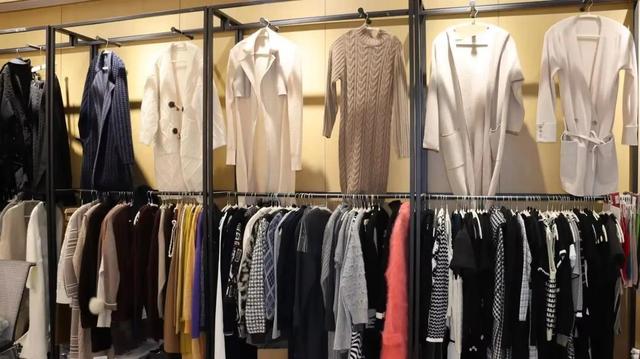
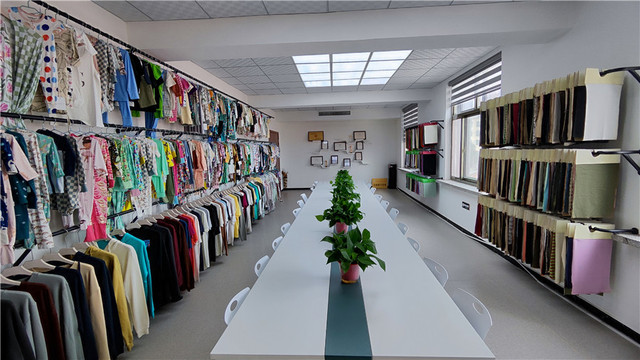
Strategically positioned at the core of the Pearl River Delta's advanced textile manufacturing cluster, Dongguan CLStyle Fashion Co., Ltd. stands out as a highly specialized, premier men's clothing manufacturer and fashion apparel supplier. Founded in 2010, the company has masterfully integrated design, sophisticated fabric sourcing, pattern optimization, scale production, and rigorous quality assurance into an agile ODM/OEM apparel system engineered for global scale.
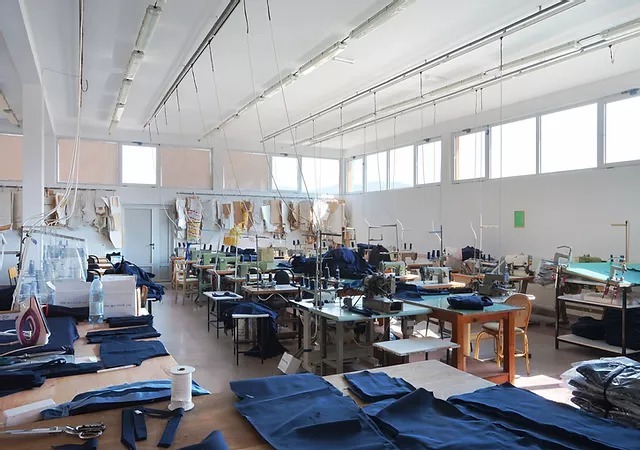
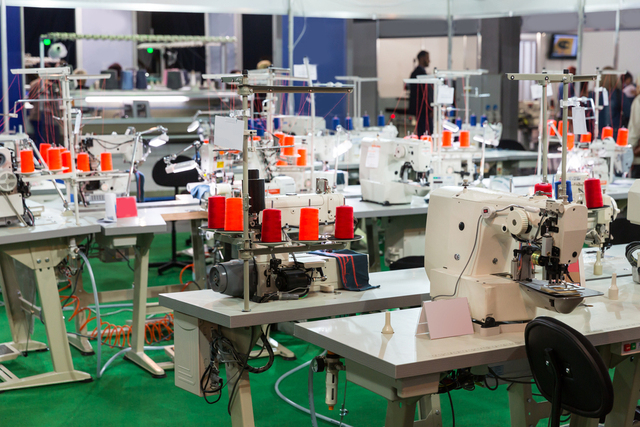
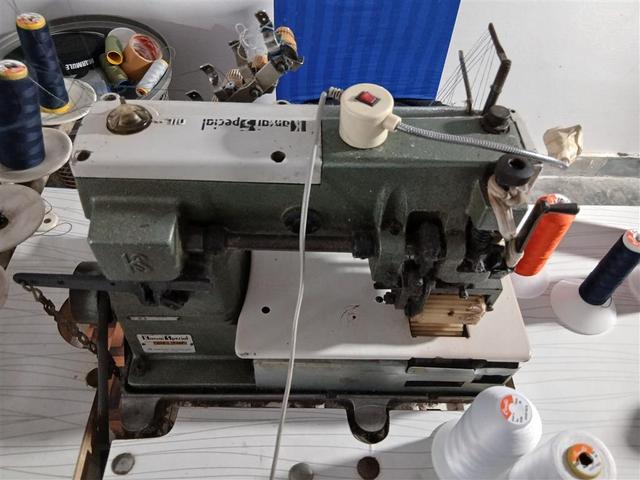
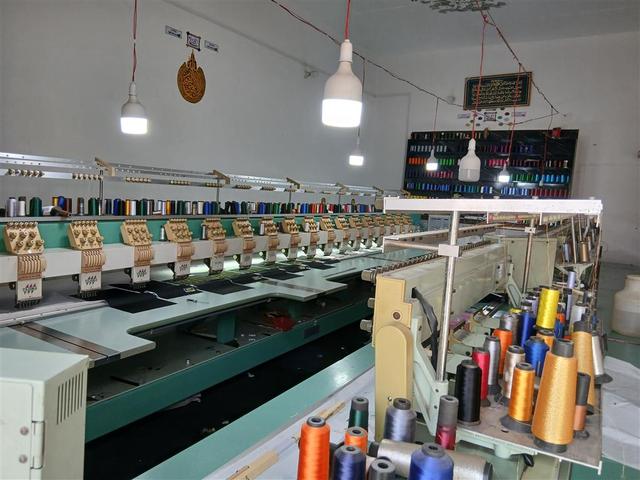
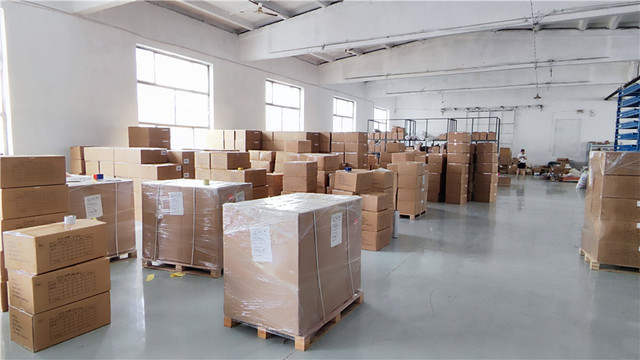
Operating out of a highly automated 22,000 square meter infrastructure in Dongguan, China, CLStyle orchestrates modern manufacturing utilizing state-of-the-art sewing machinery, high-speed automated digital fabric cutters, and lean assembly-line methodologies. Supported by a comprehensive workforce of over 260 dedicated industry professionals—including senior fashion designers, CAD pattern specialists, and QC engineers—CLStyle consistently guarantees immaculate garment craftsmanship, highly accurate sizing parameters, and superior durability across diverse styling ranges.
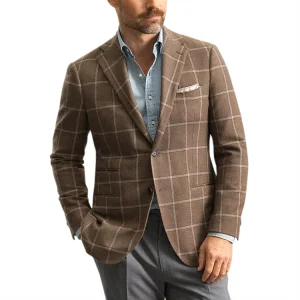
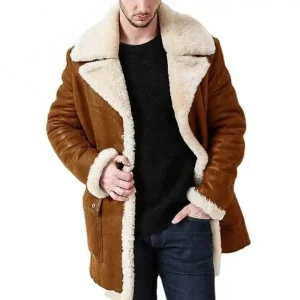
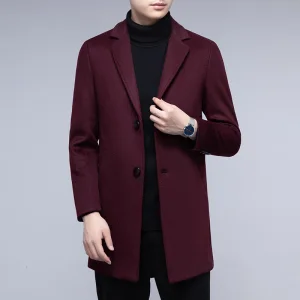
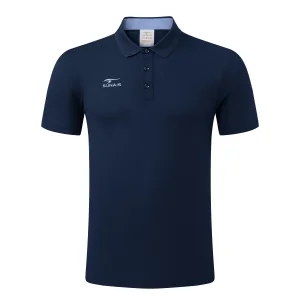
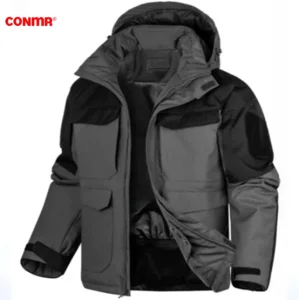
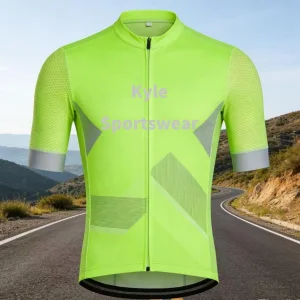
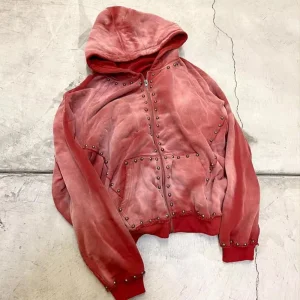
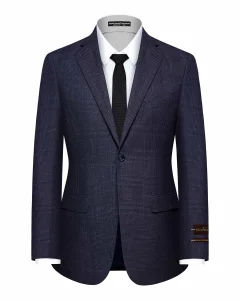
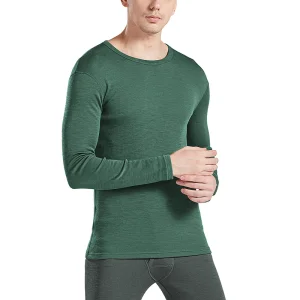
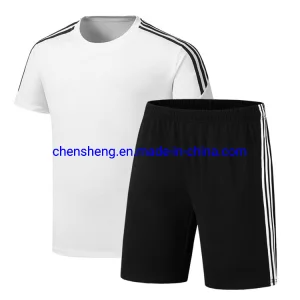
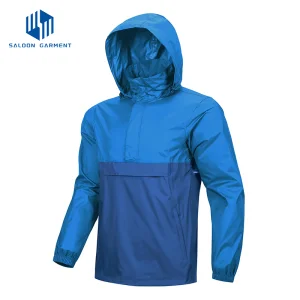
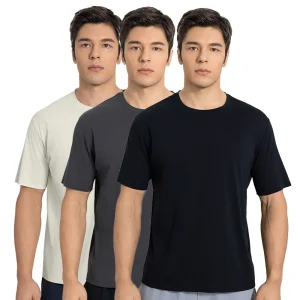
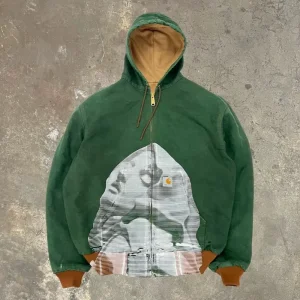
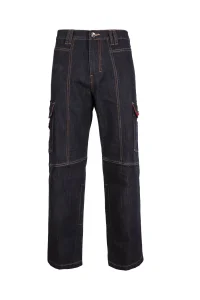
The company’s broad-spectrum catalog encompasses high-end men's T-shirts, premium shirts, cozy hoodies, durable classic jeans, functional jackets, bespoke business suits, knitwear, and contemporary street fashion apparel. By harmonizing global style dynamics, rich textile options, and ultra-flexible supply lines, CLStyle supplies targeted apparel solutions designed to perform exceptionally well across distinct regional consumer markets.
Succeeding in the global men's dress trousers landscape requires profound localization strategies. Different geographical territories enforce distinct grading systems, style silhouettes, and environmental insulation demands that manufacturers must accommodate.
Primary Trend: Tech-fusion hybrid dress trousers.
Consumers prioritize moisture-wicking synthetic blends, hidden elasticized comfort waistbands, and machine-washable specifications. Fit preferences lean toward athletic-tapered or relaxed-straight profiles with generous rise and structural durability.
Primary Trend: Eco-engineered high-twist wool aesthetics.
European markets lean heavily on sustainable luxury, requiring wool blends with low microplastic release rates. Aesthetics prioritize slim, cropped-hem, or structured Italian-cut profiles with clean drape profiles and sophisticated interior pocket architectures.
Primary Trend: Lightweight, ultra-breathable ice-silk & tropical blends.
Adapting to warm, humid macroclimates, APAC consumers favor high-mesh ventilation fabrics, open weave wools, and rapid moisture-wicking finishes. Neutral and earthy tones are highly valued for versatile corporate-to-leisure wear transitions.
Behind every exceptional pair of dress trousers lies a complex sequence of material science and mechanical execution. The structural integrity, drape coefficient, and durability profiles are strictly governed by structural tailoring specifications:
Precision patterns are developed using computerized 3D draping systems, minimizing fabric yield loss by up to 15%. Integrated digital grading ensures consistent scaling across all geographic markets while accounting for unique fabric shrinkage tolerances during heat setting.
The waistband and flies are reinforced using multi-layered, heat-fused canvas or bias-cut interlinings. This ensures the trouser waistband maintains clean structural rigidity over years of use without rolling, collapsing, or causing discomfort.
Critical load-bearing structural regions—such as pockets, zippers, and crotch seams—receive high-density lock stitching paired with precision automated bar-tacking. This reinforcement prevents stitch unraveling even under acute tensile stress.
By implementing strict tolerance checks, quality-focused manufacturing partners guarantee that every shipment maintains consistent fit geometry. This process significantly drives down returns, fostering strong brand trust among direct buyers.
Modern garment sourcing calls for a strategic framework that addresses volatile shipping fees, rapid micro-trend timelines, and geopolitical shifts. Leading manufacturers provide flexible service designs tailored for international retailers:
To support agile brands, advanced factories run dynamic production lines. They accommodate smaller initial batch orders for trend testing, followed by rapid multi-thousand-piece runs once demand is validated, reducing dead stock risk.
Leveraging vast material networks across East Asia, top manufacturers quickly source customized yarns, luxury hardware, and sustainable fibers, shortening typical lead times by 20–30%.
By cooperating with premier global forwarding services, manufacturers offer optimized door-to-door, DDP, and custom-bonded shipping strategies. This ensures smooth clearance at ports and maintains highly reliable inventory schedules.
 CLStyle Fashion