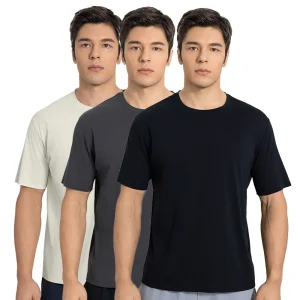
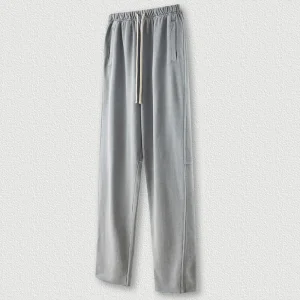
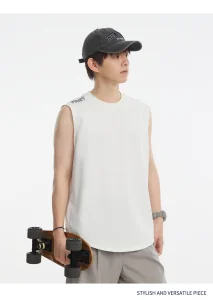
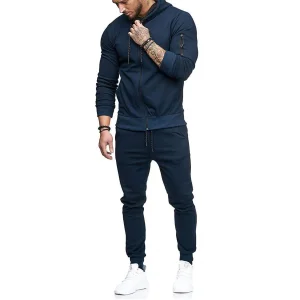
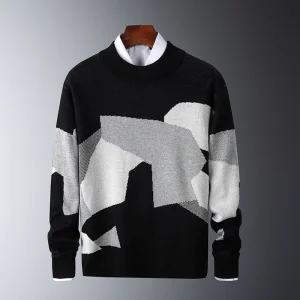
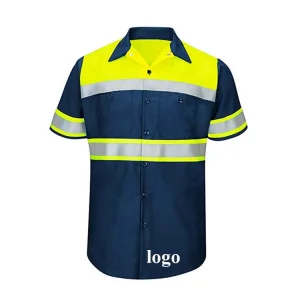
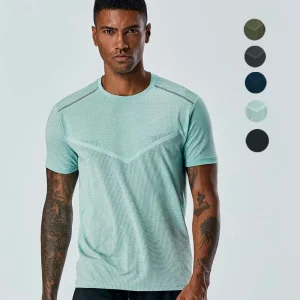
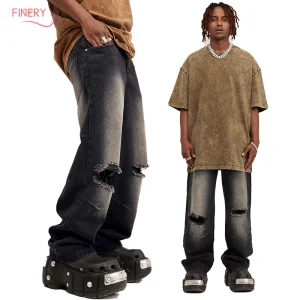
Premium tailored knitwear, sportswear, and performance garments engineered for global distributors.
In the global textile market, the segment of men's winter accessories—particularly premium knit scarves—has evolved from functional thermal protectors to foundational components of high-end fashion design systems. International B2B buyers, retail brand directors, and sourcing managers navigate a landscape shaped by rapid consumer demand fluctuations, shifting compliance environments, and the critical need for supply chain optimization.
China's manufacturing clusters, notably in Guangdong and Zhejiang, lead the global industry in production technology, yarn formulation, and logistical agility. As the global supply chain transitions to lean production models, leading Chinese factories have adapted by offering advanced OEM and ODM services. These facilities combine traditional weaving expertise with digitalized quality management systems.
Understanding the differences in material properties, production capacities, and compliance standards is essential for global buyers. This whitepaper analyzes the manufacturing processes, material engineering, and supply chain logistics of China's leading knitwear and accessories manufacturers, providing buyers with the technical insight needed to make informed sourcing decisions.
High-performance scarves and winter wear require careful selection of fibers and appropriate construction methods. The modern consumer demands comfort, durability, and insulation without excessive bulk. Manufacturers achieve this balance by combining advanced yarn blends with precise knitting structures.
| Material Type | Thermoregulation (CLO Value) | Durability & Pilling Resistance | Primary Industrial Application | Eco-Sustainability Status |
|---|---|---|---|---|
| Merino Wool | Excellent (1.2 - 1.4) | High (Scale structure improves fiber lock) | Technical outdoor & luxury streetwear accessories | Highly Sustainable, biodegradable |
| Cashmere Blends | Superior (1.6 - 1.8) | Moderate (Requires synthetic reinforcement) | High-end formal and corporate fashion lines | Renewable resource, high trace demand |
| High-Bulk Acrylic | Good (0.8 - 1.0) | Very High (Synthetically enhanced polymers) | Mass retail, commercial promotional lines | Recyclable alternatives (RPET) rising |
| Organic Cotton Blends | Moderate (0.6 - 0.8) | Excellent (Long-staple double combed) | Trans-seasonal wear and sensitive-skin lines | Certified Organic (GOTS compliant) |
The physical performance of a scarf is determined by its knit construction. Jacquard knitting patterns allow for complex, multi-colored designs that integrate brand identities directly into the fabric's structure without adding heavy print layers. Double-face rib structures provide extra volume and warmth, making them ideal for winter utility wear. High-performance computerized flat knitting machines (such as Shima Seiki systems) manage yarn tension in real-time, preventing fiber distortion and ensuring consistent sizing across large production runs.
Integrating design, material sourcing, pattern development, and global delivery is critical for efficient winter wear manufacturing. Leading companies like Dongguan CLStyle Fashion Co., Ltd. represent the modern capabilities of China's apparel export sector.
"Dongguan CLStyle Fashion Co., Ltd. is a professional men’s clothing manufacturer and fashion apparel supplier specializing in casual wear, formal wear, and streetwear for global markets. Established in 2010 and located in Dongguan, China, the company integrates design, fabric sourcing, pattern development, production, quality control, and international OEM/ODM services into a complete modern apparel manufacturing system."
CLStyle operates a production facility covering approximately 22,000 square meters with more than 260 skilled employees, including fashion designers, pattern makers, and production technicians. Equipped with advanced sewing equipment, digital cutting systems, and strict quality inspection processes, the company ensures consistent craftsmanship, accurate sizing, and high durability across all garments. Annual production capacity exceeds 3.5 million pieces, serving wholesalers, fashion brands, e-commerce retailers, and distributors worldwide.
The company’s product range includes men’s T-shirts, shirts, hoodies, jeans, jackets, suits, knitwear, and street fashion apparel. By combining modern fashion trends, high-quality fabrics, and efficient production techniques, CLStyle delivers stylish, comfortable, and market-oriented clothing solutions tailored to different regional preferences. Driven by continuous innovation and customer-focused development, Dongguan CLStyle Fashion Co., Ltd. is committed to providing high-quality men’s apparel with flexible customization services, competitive pricing, and reliable global supply chain support, building long-term partnerships with international fashion clients.
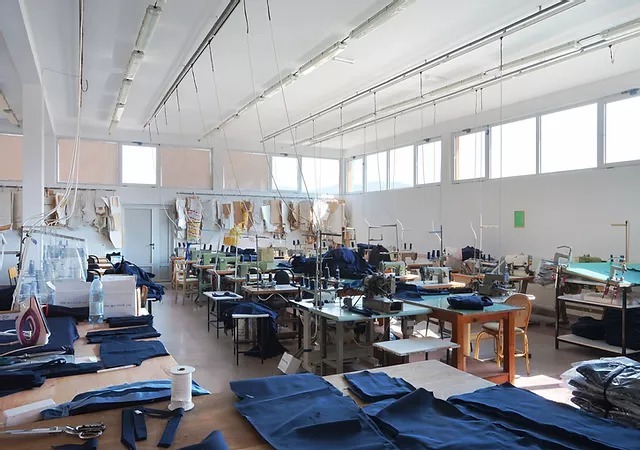
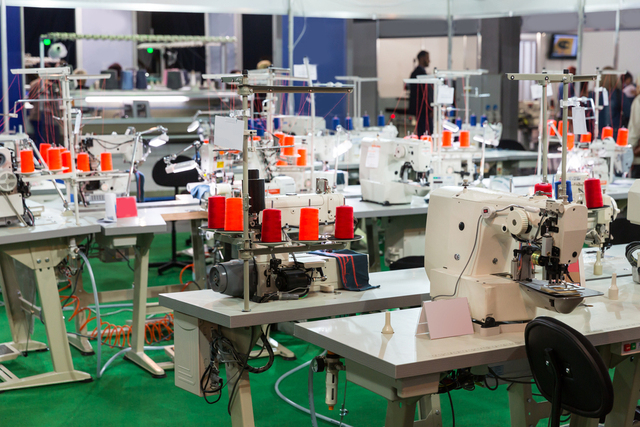
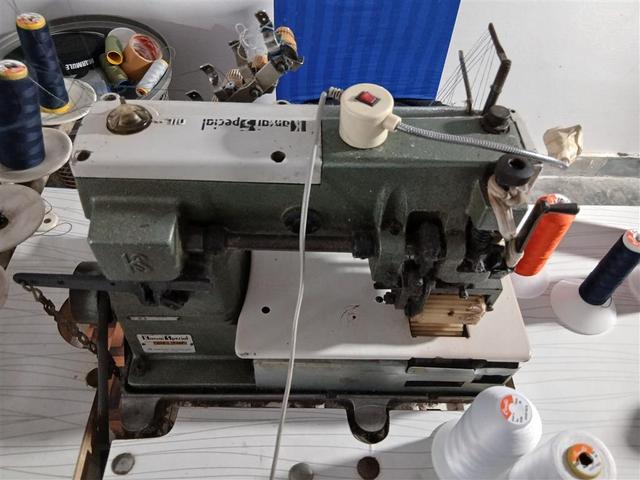
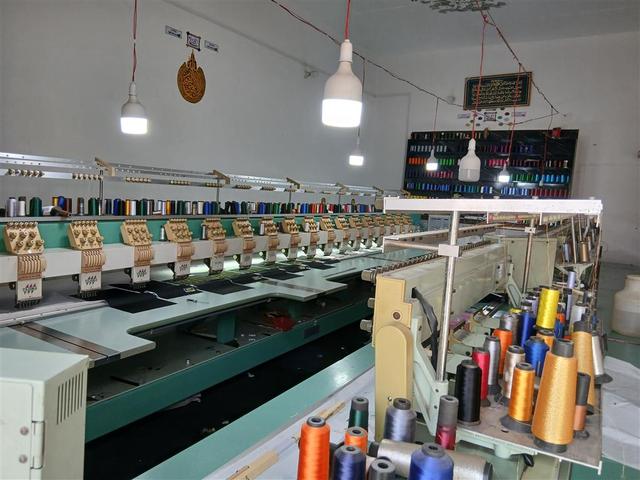
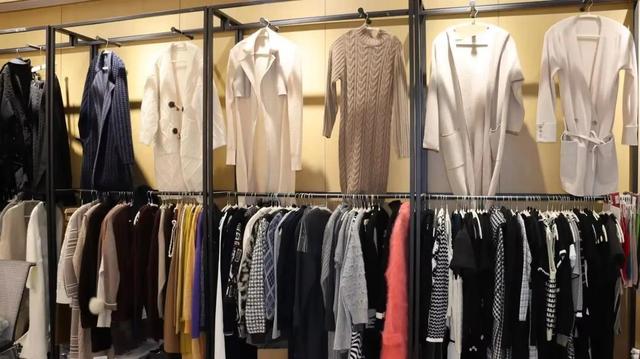
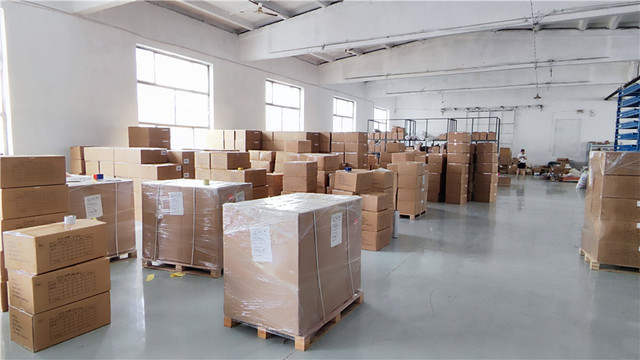
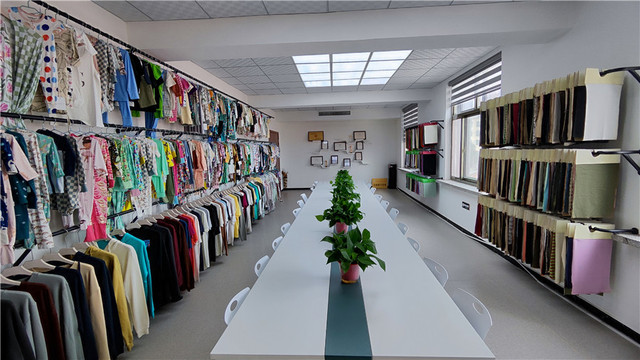
An structured step-by-step workflow outlining the product development path for custom apparel orders.
Clients submit raw vector files, Pantone specifications, and tech packs. Designers generate 3D CAD renders of winter wear and accessories to confirm pattern placement, stitch densities, and seam allowances before physical cutting begins.
Yarn lots are sourced from verified suppliers and tested for colorfastness, shrinkage, and fiber purity. For premium knitwear, this phase includes verifying composition percentages (such as Merino and Cashmere blends).
Physical pre-production samples are knitted and sewn within 5-7 business days. These prototypes undergo fit-model evaluations and mechanical tension testing to confirm structural integrity under normal wear conditions.
Approved patterns are uploaded to computerized knitting and cutting machines. Automated manufacturing minimizes human error, maintains consistent sizing, and keeps production lines running efficiently.
Finished garments undergo manual inspection, steam pressing, and automated metal detection to ensure safety and quality standards before final packaging.
Exporting textiles worldwide requires adherence to strict regional safety, environmental, and customs compliance frameworks. Global buyers face challenges including changing tariff regulations, environmental certifications, and chemical safety requirements for dyes and finishes.
Modern production facilities comply with GOTS (Global Organic Textile Standard) and OEKO-TEX Standard 100, ensuring yarns are free from harmful heavy metals and azo dyes.
Complete export documentation, including detailed Bills of Lading, Certificates of Origin, and customs-compliant H.S. Code listings, helps prevent delays at major ports.
FOB, CIF, and DDP shipping configurations accommodate different shipping requirements. Flexible Minimum Order Quantities (MOQs) support brand expansion and seasonal testing.
The apparel industry is changing quickly, driven by new material technologies and sustainable production methods. Future accessory designs will increasingly incorporate functional elements, such as graphene heating inserts and moisture-wicking synthetic fiber blends.
Additionally, the demand for recycled fibers continues to grow. Leading manufacturers are integrating Recycled Polyester (rPET) and post-consumer regenerated wool into their supply chains to support circular fashion models. Using computerized design software also helps minimize raw material waste by calculating precise yarn requirements before production begins.
Key operational details for sourcing managers and international apparel distributors.
Standard OEM/ODM production MOQs start at 500 to 1,000 pieces per style/colorway, depending on yarn composition and design complexity. Smaller custom test runs can sometimes be accommodated for established partners using available stock yarns.
All raw material shipments undergo independent third-party laboratory verification (such as SGS or Intertek testing) to confirm fiber composition, tensile strength, and colorfastness properties before production begins.
Standard production lead times are 30 to 45 days after prototype sample approval and deposit receipt. Design consultation and sample creation typically require 7 to 10 working days.
Yes, we work with international logistics networks to offer EXW, FOB, CIF, and DDP shipping configurations, helping to manage customs entry and tariff declarations.
Yes, our partner facilities hold ISO9001 quality management certifications and manufacture products using OEKO-TEX Standard 100 and GRS (Global Recycled Standard) certified materials.
Engineered jackets, shirts, utility apparel, and specialized protective uniforms.
 CLStyle Fashion