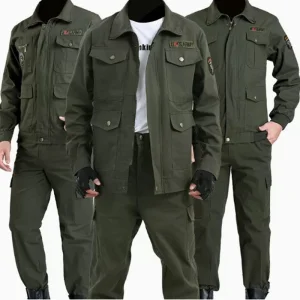
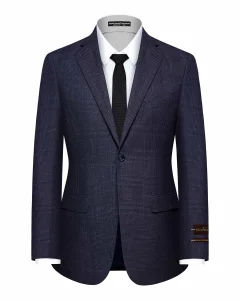
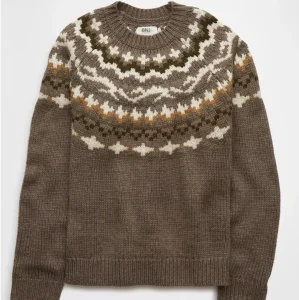
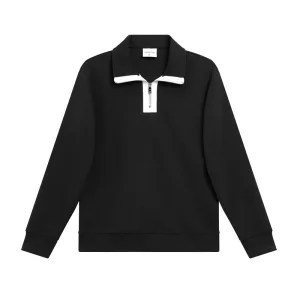
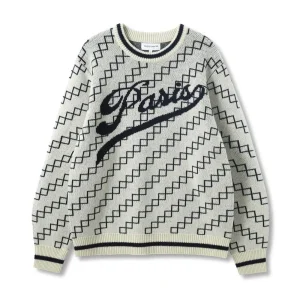
Engineered solutions spanning high-performance workwear, technical suits, and heritage knits designed to execute on international custom specifications.
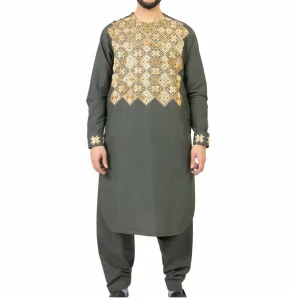
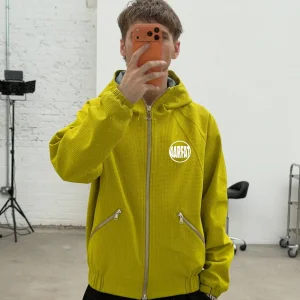
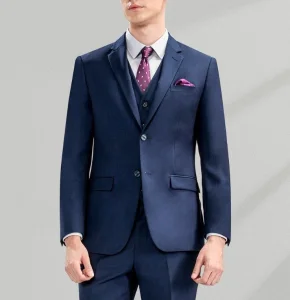
In the global B2B apparel landscape, the custom OEM men's polo shirt occupies a unique position. Sitting at the intersection of business formalwear and casual performance sports apparel, the contemporary polo shirt has evolved into the cornerstone of the corporate uniform program, luxury high-street retail, and specialized industrial workwear. For global procurement directors, choosing a tier-1 manufacturing partner is no longer just a purchasing transaction—it is a critical decision that influences supply chain resilience, brand equity, and compliance footprint.
A modern high-quality OEM polo shirt must navigate complex requirements: it must survive high-frequency commercial laundering, offer superior breathability, maintain exact corporate brand color palettes across production batches, and provide ergonomic comfort suited for multiple working environments. This whitepaper analyzes how leading apparel factories implement advanced material technologies, Industry 4.0 production capabilities, and strict compliance structures to deliver premium product solutions.
The shift from standard carded cotton utility garments to engineered smart textiles.
Modern B2B custom polo programs rely heavily on fiber engineering. Long-staple Giza and Pima cotton are blended with high-grade elastane to achieve natural luster and structural longevity. For heavy-duty industrial and outdoor environments, specialized polyester-cotton blends (such as 65/35 or 60/40) are treated at the molecular level to ensure permanent moisture-wicking and quick-drying properties that won't wash out over time.
Integrating silver-ion technology and zinc-pyrithione finishes into the dyeing phase provides strong, long-lasting antimicrobial properties. These advanced coatings prevent odor-causing bacteria from building up during extended wear, keeping corporate and retail garments fresh and highly functional for professional settings.
Global enterprises are increasingly prioritizing environmental responsibility. High-performance recycled polyester (rPET) derived from post-consumer plastic waste, organic cotton certified by GOTS, and waterless dyeing systems help brands significantly reduce their carbon and water footprints, keeping them ahead of evolving ESG regulations.
Procuring custom OEM apparel requires evaluating multiple factors to balance initial costs with the Total Cost of Ownership (TCO). While emerging markets in Southeast Asia and Central America offer competitive labor rates, China continues to lead the global apparel industry by providing unmatched supply chain depth, raw material accessibility, advanced automated infrastructure, and superior speed-to-market.
| Evaluation Parameter | China (South China Hubs) | Southeast Asia (Vietnam/Cambodia) | Central America (Nearshoring Hubs) |
|---|---|---|---|
| Fabric & Trim Sourcing Range | Unmatched variety: instant access to advanced technical materials and custom hardware. | Highly dependent on imported fabrics, resulting in longer lead times for custom runs. | Limited selection of specialized performance textiles; focuses primarily on basic cottons. |
| Prototyping & CAD Design Speed | Ultra-fast: 3D virtual fitting and digital rendering in 48 hours; physical samples in 5-7 days. | Moderate: 10-15 days, often slowed by dependency on imported materials. | Highly variable: 7-14 days depending on regional supply availability. |
| Manufacturing Precision (Quality Control) | Excellent: Automated sewing, AI-driven optical scanning, and standard laser cutting. | Good: Highly skilled at bulk basic assembly, but has higher defect rates on custom details. | Moderate: Suited for high-volume basic designs; limited specialized technical expertise. |
| Supply Chain Resilience & Flexibility | Exceptional: Scalable production facilities, stable local energy grids, and integrated logistics. | Vulnerable: Susceptible to regional energy shortages and local raw material disruptions. | Good: Excellent shipping proximity to US markets, but depends heavily on external fabric mills. |
The modern Chinese garment factory has evolved far beyond labor-intensive assembly lines. Today, the industry leverages a highly integrated system of connected automation, advanced materials tracking, and digital production management. This transformation allows manufacturers to offer exceptional customization while keeping production times remarkably short.
By integrating ERP and PLM software across the entire supply chain, factories connect raw material mills, dye houses, design teams, and logistics systems in real-time. This digital integration allows B2B buyers to monitor production stages, optimize inventory, and adjust batch sizes dynamically as market demands shift.
State-of-the-art computer-aided design (CAD) programs generate precise cutting patterns that optimize fabric usage and minimize waste. Automated laser-cutting systems then cut fabrics with sub-millimeter accuracy, ensuring perfect consistency in fit and sizing across production runs of tens of thousands of garments.
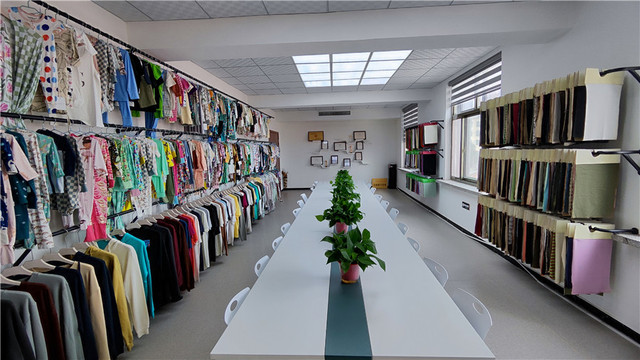
Dongguan CLStyle Fashion Co., Ltd. is a professional men’s clothing manufacturer and fashion apparel supplier specializing in casual wear, formal wear, and streetwear for global markets. Established in 2010 and located in Dongguan, China, the company integrates design, fabric sourcing, pattern development, production, quality control, and international OEM/ODM services into a complete modern apparel manufacturing system.
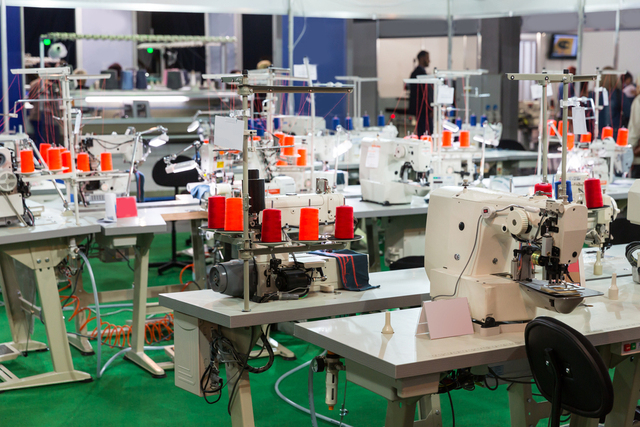
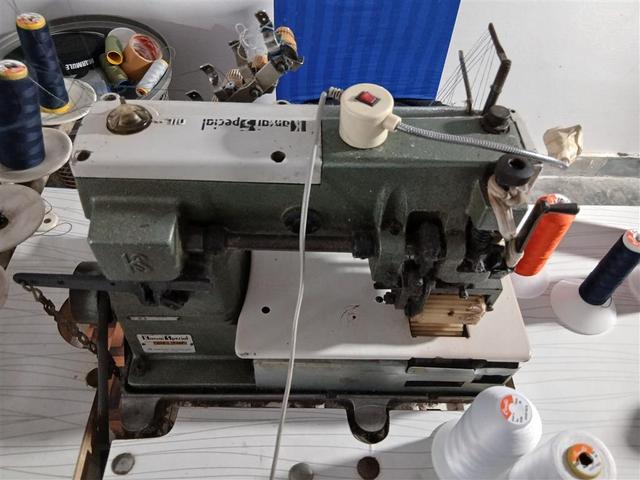
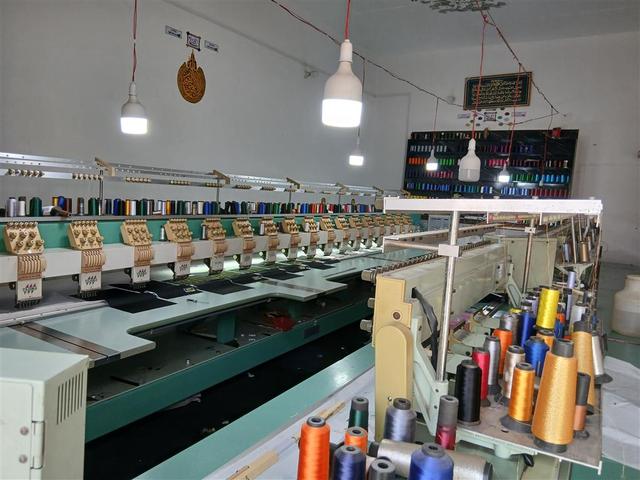
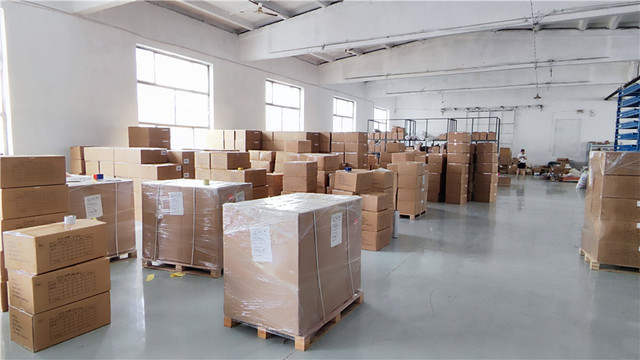
CLStyle operates a production facility covering approximately 22,000 square meters with more than 260 skilled employees, including fashion designers, pattern makers, and production technicians. Equipped with advanced sewing equipment, digital cutting systems, and strict quality inspection processes, the company ensures consistent craftsmanship, accurate sizing, and high durability across all garments. Annual production capacity exceeds 3.5 million pieces, serving wholesalers, fashion brands, e-commerce retailers, and distributors worldwide.
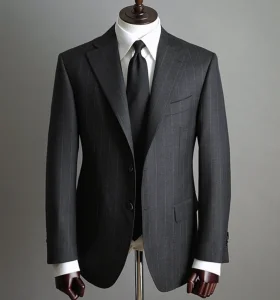
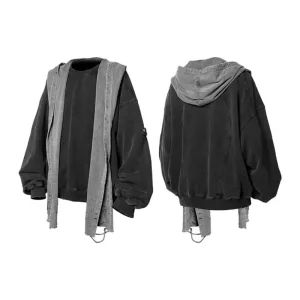
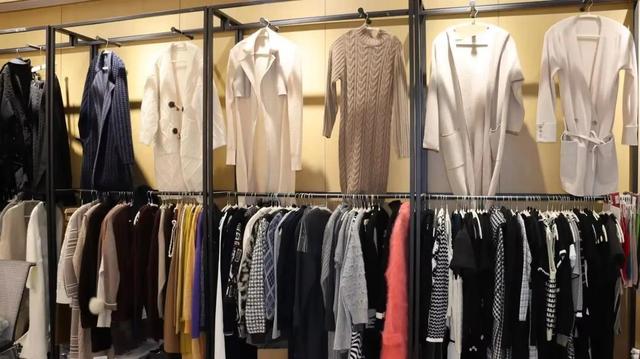
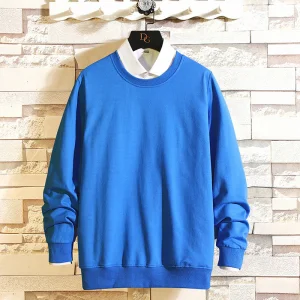
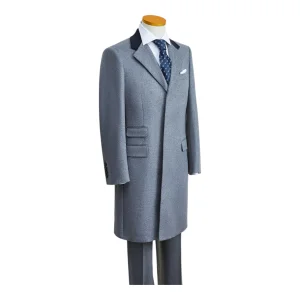
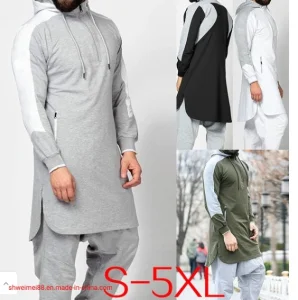
The company’s product range includes men’s T-shirts, shirts, hoodies, jeans, jackets, suits, knitwear, and street fashion apparel. By combining modern fashion trends, high-quality fabrics, and efficient production techniques, CLStyle delivers stylish, comfortable, and market-oriented clothing solutions tailored to different regional preferences.
Driven by continuous innovation and customer-focused development, Dongguan CLStyle Fashion Co., Ltd. is committed to providing high-quality men’s apparel with flexible customization services, competitive pricing, and reliable global supply chain support, building long-term partnerships with international fashion clients.
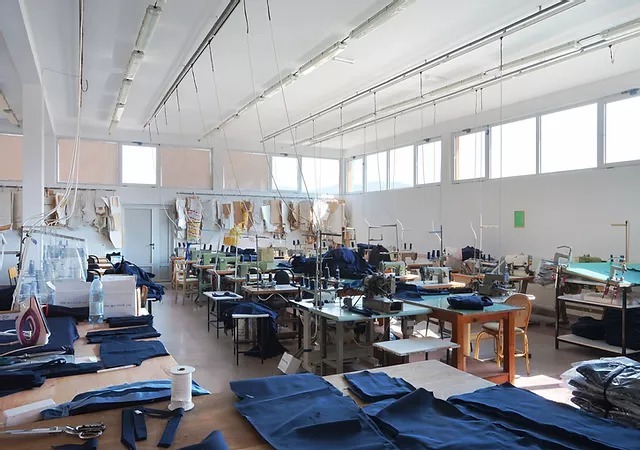
Custom OEM polo manufacturing must align with the specific environments where the garments will be worn. We customize every run for its exact commercial application.
Designed to project a polished corporate image, these shirts utilize premium interlock and double-pique cotton-rich fabrics. They are engineered to hold their shape and resist pilling over hundreds of washes, ensuring corporate teams look sharp and professional day after day.
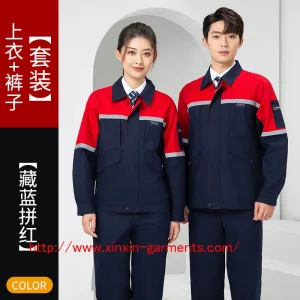
Built to withstand demanding physical work environments, these polos feature rugged, heavyweight poly-cotton fabrics (up to 240 GSM). Reinforcements like double-needle stitching, tear-resistant plackets, and protective treatments shield workers against moisture, stains, and UV rays.
Designed to meet the elevated standards of premium global fashion brands, these garments utilize high-end fabrics like luxury mercerized cotton and eco-friendly modal blends. They are constructed with tailored modern cuts, delicate flatlock stitching, and custom branding elements.
Expert insights from our technical engineering team to help you navigate custom OEM apparel manufacturing questions.
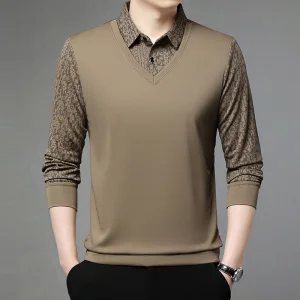
Discover more premium styles engineered with advanced technical fabrics, modern fits, and durable construction.
 CLStyle Fashion