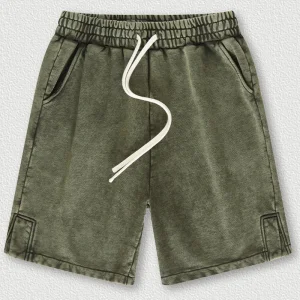
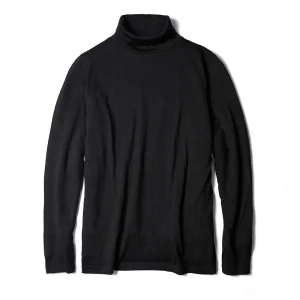
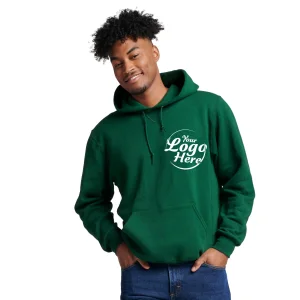
Explore our highly-curated selection of premium apparel designs engineered for international exports and bespoke OEM/ODM custom operations.
The global men's branded apparel industry is undergoing an unprecedented paradigm shift driven by digital supply chains, consumer alignment with sustainable practices, and localized market fluctuations. Today, high-end menswear is not simply defined by fabric patterns or visual branding; it is powered by high-caliber technical supply networks. Multi-national retail operations, premium streetwear brands, and functional workwear conglomerates require more than plain product assembly. They demand strategic OEM (Original Equipment Manufacturer) and ODM (Original Design Manufacturer) partnerships that possess the operational agility to withstand geopolitical disruptions, raw material volatility, and rapidly changing consumer trends.
As nearshoring and reshoring gain attention in commercial media, the fundamental realities of industrial cluster economies preserve East Asia’s absolute leadership in apparel exports. Advanced machinery, localized accessory ecosystems, deep logistics channels, and generations of expert pattern-making expertise continue to secure China's status as the definitive powerhouse of apparel fabrication. In the modern B2B market, enterprise importers prioritize manufacturers who understand compliance frameworks (WRAP, BSCI, Oeko-Tex Standard 100), possess advanced textile R&D divisions, and can offer substantial **information gain** regarding material behaviors and logistics risk mitigation.
“True competitive differentiation in the modern fashion ecosystem relies heavily on vertical supply chain agility. Factories must act not only as executioners of instructions but as intelligent engineering co-creators of custom garments.”
A strategic buyer must distinguish between OEM and ODM services to structure a highly optimized apparel pipeline. OEM operations rely completely on customer-provided tech packs, absolute spec sheets, and customized fabric nominations. Under an OEM engagement, the factory's primary mandate is the flawless mechanical replication of blueprints using precise craftsmanship, optimized yield calculations, and rigid multi-stage quality control. This is the optimal configuration for global fashion houses with dedicated in-house design capabilities and proprietary fits.
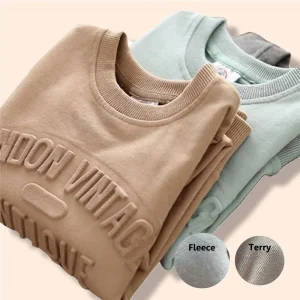
Conversely, ODM operations leverage the manufacturer’s internal creative intellect, fabric databases, and structural R&D. For brands looking to compress their time-to-market cycles, a mature ODM supplier offers pre-engineered silhouettes, custom-developed knit variations, and advanced surface manipulation ideas (e.g., puff printing, 3D embossing, or eco-friendly washes). This co-creation model allows distributors to choose from catalog designs while integrating brand-specific details, significantly minimizing research budgets and accelerating wholesale velocity. As a specialized leader, Dongguan CLStyle Fashion Co., Ltd. seamlessly bridges these two models, utilizing computerized pattern development, digital 3D garment rendering, and highly responsive sample rooms to turn concepts into physical gold.
SQM Facility
Skilled Professionals
Annual Pieces
Years Experience
Deep dive into our state-of-the-art production environments, integrating modern automated sewing, precision laser fabric cutting, and digital control protocols.
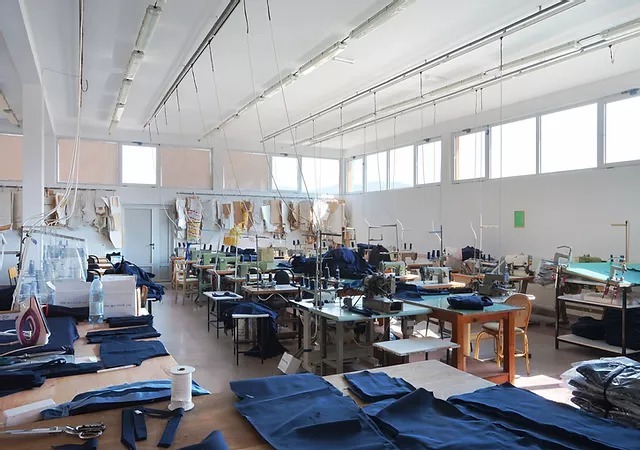
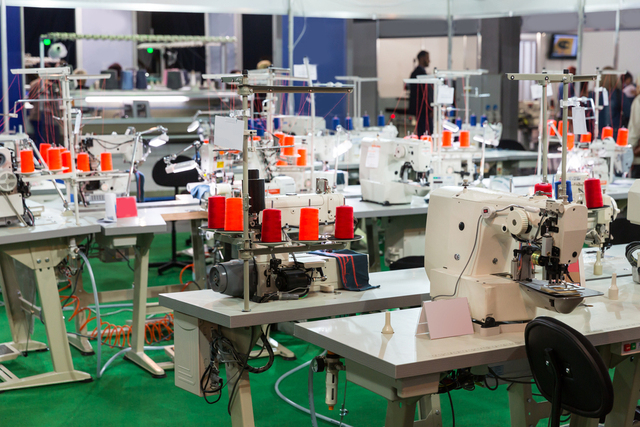
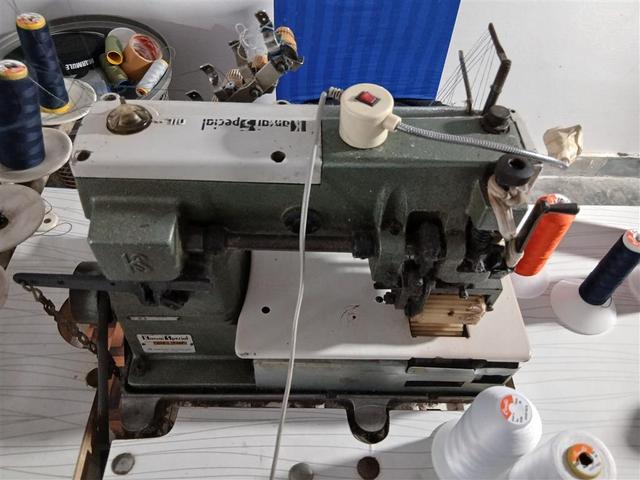
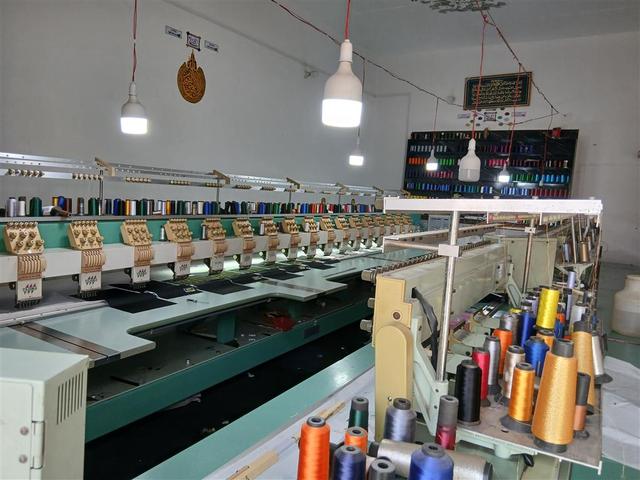
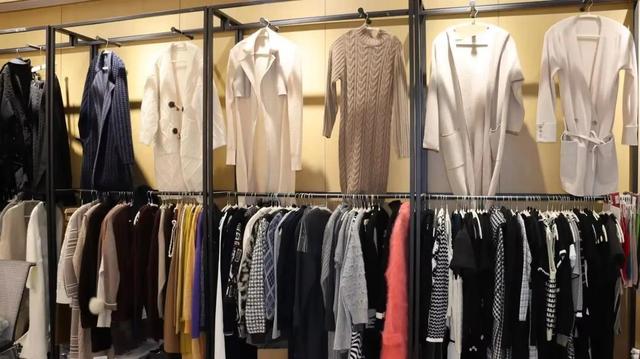
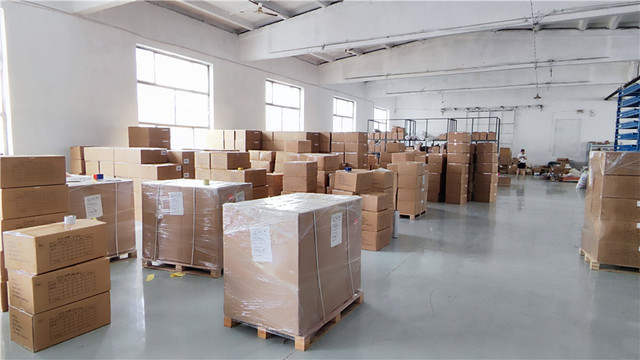
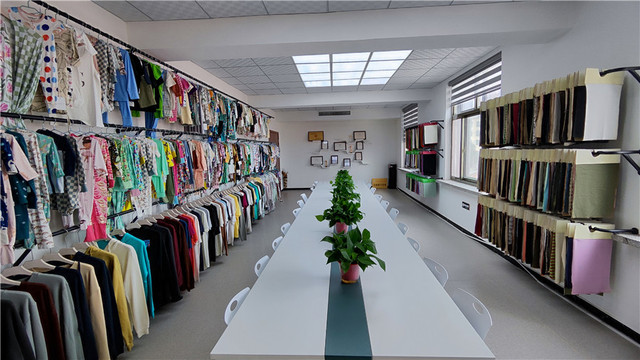
In the highly competitive landscape of global apparel production, Dongguan, located in China's Guangdong Province, stands out as a world-class manufacturing hub. Unlike fragmented production zones spread across developing nations, Dongguan offers an unmatched cluster effect. Within a small radius, a manufacturer has immediate, seamless access to the world’s most comprehensive raw materials, custom dye factories, label printers, button producers, and advanced thread suppliers. This geographical concentration virtually eliminates domestic transit bottlenecks, allowing companies like Dongguan CLStyle Fashion Co., Ltd. to optimize timelines and control costs at every stage.
Furthermore, China’s continuous focus on digital automation has elevated factory operations to a new standard of efficiency. Rather than relying solely on manual processes, Dongguan CLStyle operates advanced machinery, digital pattern cutting units, and high-performance CAD software. These technologies enable precise structural scaling across all sizes and keep waste levels extremely low. This technical edge translates directly into cost savings and high reliability for global brands, ensuring that the 1,000th item matches the original design prototype with absolute precision.
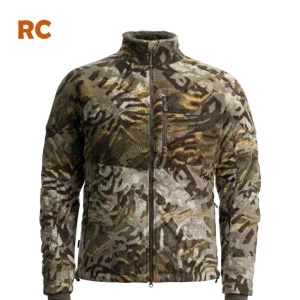
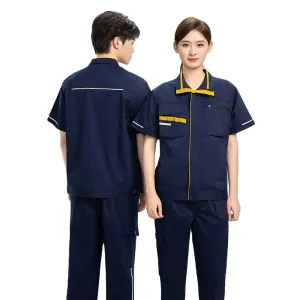
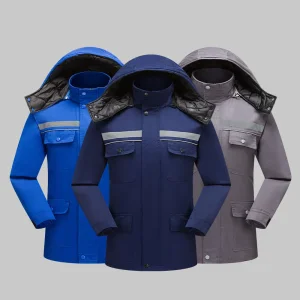
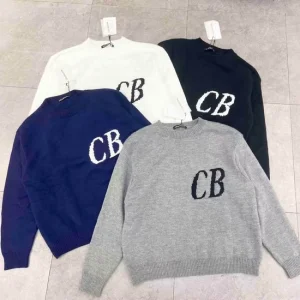
A true world-class OEM/ODM manufacturer must deliver consistent, top-tier quality across diverse apparel categories. Standard, basic products cannot compete in today's saturated consumer markets. To help brands succeed, CLStyle focuses on delivering specialized, market-ready quality in several key segments:
“Dongguan CLStyle Fashion Co., Ltd. combines an expansive 22,000 square meter physical infrastructure with over 260 highly skilled professionals to support custom brand requirements with a substantial annual output capacity of over 3.5 million pieces.”
To establish long-term trust, an apparel manufacturer must operate with complete transparency and follow strict quality control standards. CLStyle utilizes a multi-step Quality Assurance (QA) workflow that ensures every order matches top-tier international criteria. The quality control process is divided into three critical phases:
First, all incoming fabrics undergo rigorous testing for shrinkage, colorfastness, and tensile strength before entering the cutting room. Second, in-line quality managers inspect garments at key stages of assembly to catch and resolve any inconsistencies early. Finally, complete batch reviews are performed using standard Acceptable Quality Limits (AQL 2.5) to ensure consistent stitching, sizing, and finishing across all items. This structured, reliable process helps global brands avoid costly recall risks and scale their product lines with absolute peace of mind.
Discover the distinct benefits that keep our clients ahead in competitive global markets.
Direct partnerships with premium spinning mills provide access to organic cotton, merino wool, fire-retardant blends, and smart technical fabrics.
We balance high-volume scale with custom agility, helping fast-growing brands manage inventory efficiently while maintaining competitive pricing.
Optimized assembly flows and digital pattern design cut development cycles down significantly, helping you get styles to market faster.
For procurement officers, managing import logistics is just as important as production itself. Working with a reliable, export-experienced partner is key to keeping your supply chain running smoothly. Dongguan CLStyle Fashion Co., Ltd. provides comprehensive export management, handling customs documentation, shipping arrangements, and duty compliance. This complete service helps reduce import friction and ensures your products arrive on time and fully compliant with local standards.
To optimize shipping and inventory costs, we recommend coordinating production runs with seasonal demands. For instance, winter coats and heavy knits should enter production by late spring to ensure delivery before peak retail seasons. By planning ahead, brands can secure the best fabric rates, optimize shipping schedules, and maintain reliable stock levels throughout the year.
Get professional, transparent insights regarding OEM/ODM integration, sourcing workflows, and production logistics.
A1: Standard production typically takes 25 to 45 days after design approval and receipt of deposit, depending on the complexity of the garment and fabric availability. Premium custom-dyed fabrics or intricate designs like double-face hand-stitched coats may require up to 45 days, while activewear or basic hoodies can often be completed within 20 to 30 days.
A2: We source raw materials directly from certified textile mills. Every incoming batch of fabric undergoes testing for shrinkage, colorfastness, and hand-feel before cutting. We also offer organic, recycled, and technical options with full compliance documentation (like Oeko-Tex and GOTS) upon request.
A3: MOQs generally range from 100 to 300 pieces per style or color, depending on the fabric selection and customization requirements. This flexibility helps brands test new styles in the market without carrying excessive initial inventory.
A4: Yes, our factory is fully equipped to handle advanced embellishments. We specialize in 3D embossing, puff printing, high-density screen printing, custom embroidery, and specialized yarn-dyed patterns to help you create unique, high-quality styles.
A5: We follow strict, multi-stage quality control. In addition to checking incoming fabrics, we perform in-line inspections during sewing and assembly, followed by a final review using international AQL 2.5 standards before packing and shipment.
Explore our full range of tailored menswear solutions, designed to deliver exceptional quality and style to global markets.
 CLStyle Fashion