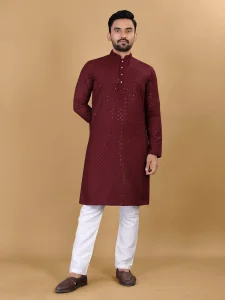
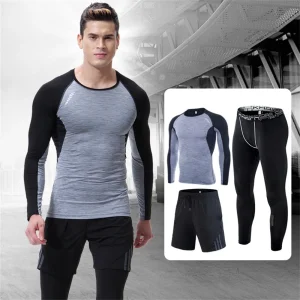
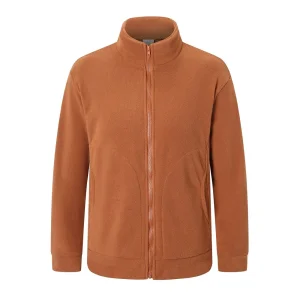
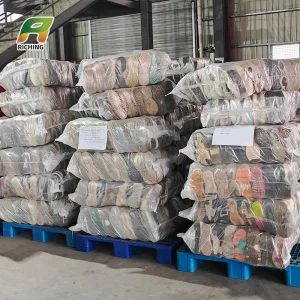
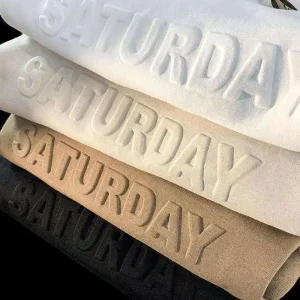
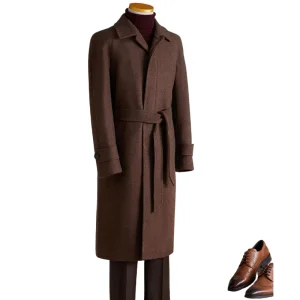
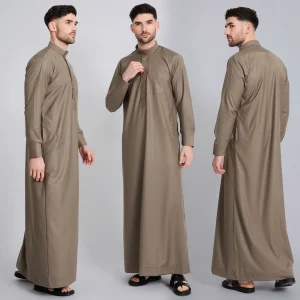
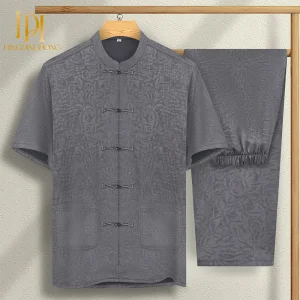
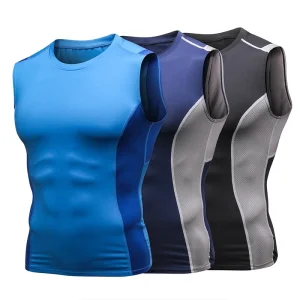
Explore the flagship activewear, utility wear, and specialized fashion products engineered for global retail channels.
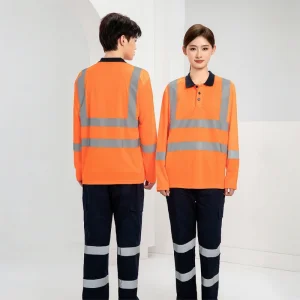
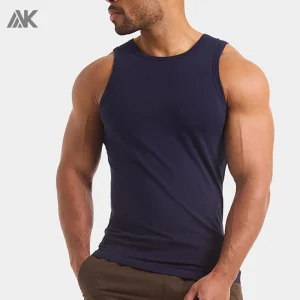
The modern athletic apparel sector is transitioning from basic activewear to engineered tech-garments. Procurement directors, retail brands, and athletic labels seek reliable suppliers capable of balancing robust manufacturing with environmental compliance and innovative fabrics. This whitepaper analyzes global supply channels, centering on Dongguan's manufacturing environment, with Dongguan CLStyle Fashion Co., Ltd. serving as a benchmark for integration.
Established in 2010 in Dongguan, China, CLStyle has constructed a modern production ecosystem that links raw material sourcing, digital design engineering, pattern construction, volume production, and certified quality control protocols. Spanning approximately 22,000 square meters, their manufacturing environment operates over 260 technical employees, including fashion engineers, pattern specialists, and quality control personnel.
With an annual capacity exceeding 3.5 million garments, CLStyle serves global markets, delivering high-performance, durable activewear alongside casual apparel and industrial workwear. Their capability to deliver bespoke OEM/ODM solutions makes them a key partner in the international men's apparel supply chain.
The global men's activewear market is driven by shifting consumer lifestyles, a strong focus on wellness, and the rise of versatile athleisure. Market valuations demonstrate steady year-on-year growth, with projections suggesting sustained expansion through 2030. Consumers now demand multi-functional garments that perform well during intense training while remaining stylish for casual and social settings.
This market shift has changed global manufacturing requirements. Traditional cotton fabrics are increasingly replaced by engineered synthetic fibers, including poly-spandex blends, moisture-wicking polymers, and anti-microbial textiles. Suppliers must secure access to advanced raw materials and maintain deep technical expertise in textile engineering to meet these changing consumer preferences.
Furthermore, digital transformation has changed the supply chain dynamics. Brands now require agile partners who can adjust production volumes based on real-time market data. This demand makes traditional rigid manufacturing systems obsolete, shifting the advantage to vertically integrated manufacturers capable of delivering fast pattern prototyping, rapid production scaling, and reliable delivery windows.
Dongguan is a global hub for textile and garment manufacturing. The city's localized supply chain ecosystem enables swift component sourcing, cutting production cycle times and reducing logistics overheads. Within a 30-mile radius, manufacturers can source premium raw yarns, customized zippers, technical linings, eco-friendly dyes, and specialized packaging materials.
This geographic clustering provides several distinct advantages for international buyers:
By implementing advanced digital CAD pattern nesting and laser cutting tables, fabric waste is reduced by up to 14% while preserving exact, repeatable sizing parameters.
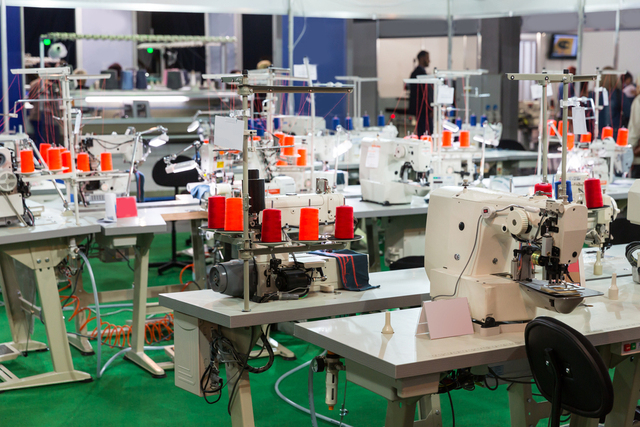
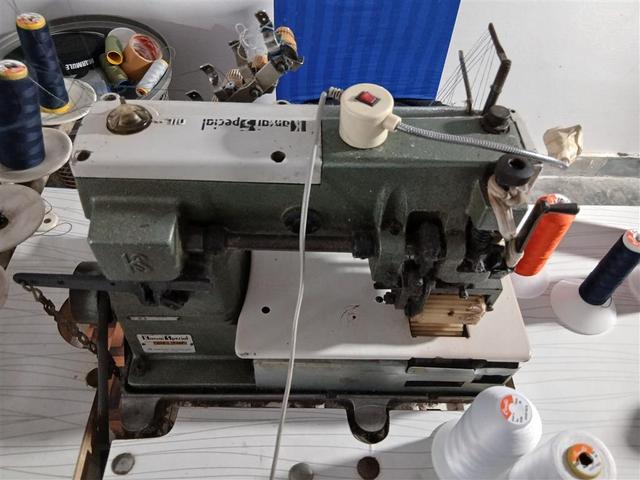
Our workforce features highly specialized technicians who manage intricate flatlock, active seam, and double-needle cover-stitch machinery for professional durability.
Every manufacturing step is monitored. Fabrics are tested for colorfastness, elasticity recovery, and seam strength to prevent structural failure in final products.
Dongguan's infrastructure simplifies international logistics. Direct access to nearby ports like Shenzhen and Guangzhou speeds up customs clearance and container loading. The region's dense transport networks enable efficient sea, air, and rail freight solutions.
This localized efficiency allows CLStyle to optimize production schedules. In an industry where market trends shift rapidly, the ability to deliver finished garments within narrow windows gives retail brands a distinct advantage in inventory management.
High-performance activewear must perform reliably across different geographic regions and climates. A garment designed for warm climates requires specific properties compared to one engineered for outdoor sports in northern regions. Leading suppliers must modify fabric blends to match regional conditions.
Understanding these localized requirements is key to choosing the right product configurations:
In warm, humid regions, fabric breathability and moisture management are critical. Activewear must feature high air permeability to allow natural heat dissipation. Seamless quick-dry models, such as the SJ-MT2025 Sportswear series, utilize open-knit mesh structures in high-perspiration zones to dry quickly and prevent chafing.
For outdoor activities in variable temperatures, multi-layered insulation systems perform best. Knitted fleece outerwear and hybrid windbreaker jackets offer balanced thermal protection and breathability. These garments retain body heat while allowing moisture vapor to escape during exertion.
The crossover between athletic wear and casual apparel has created new demands. Modern garments must combine performance elements with clean, classic styling. Highly durable shirts and premium tailored outers allow users to transition smoothly from daily commutes to active settings.
Professional procurement departments require clear compliance documentation, ethical manufacturing practices, and consistent product quality. Global buyers must evaluate potential suppliers based on verified industrial certifications and quality control protocols.
When selecting manufacturing partners, verify their compliance with major international standards:
CLStyle maintains rigorous testing processes. Their testing facility evaluates fabric strength, shrinkage, and colorfastness under wet and dry conditions. This ensures that every shipment meets client specifications and remains durable over extended use.
B2B buyers should evaluate technical specifications to ensure garments match their market's requirements. High-performance activewear typically utilizes nylon-spandex or polyester-spandex blends, ranging from 180 to 320 GSM, depending on the desired compression level. Fabric weight, elasticity recovery, and seam construction must align with the target application.
Additionally, functional treatments like anti-microbial coatings, UV protection, and water-repellent finishes add value to performance garments. Ensuring your supplier can apply these treatments accurately is essential for standing out in competitive retail environments.
Environmental responsibility is no longer optional in apparel manufacturing. Global retailers are actively replacing virgin synthetic materials with recycled alternatives to minimize their environmental footprint. Recycled polyester (rPET) sourced from ocean plastics and recycled nylon yarns are increasingly standard in technical sportswear lines.
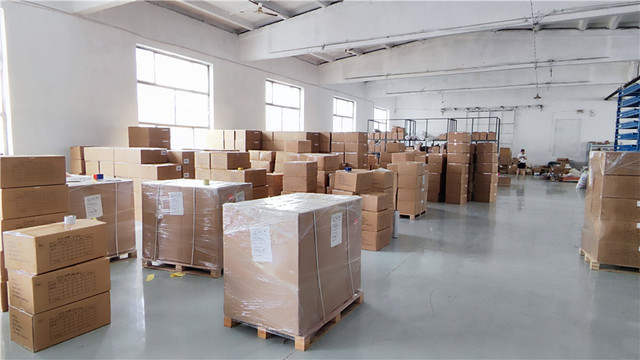
CLStyle is adapting to these industry trends by expanding its range of eco-friendly and recycled activewear options. By integrating sustainable sourcing into their production lines, they help international brands meet green procurement goals while maintaining performance standards.
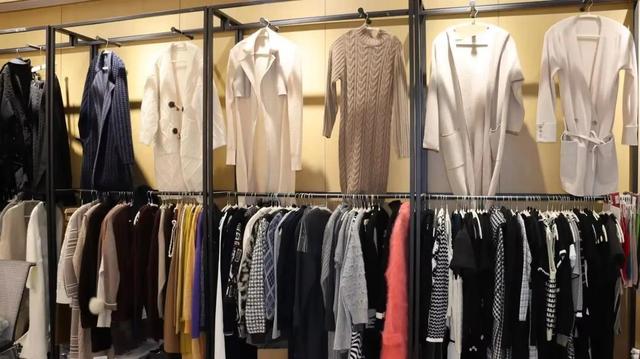
A comprehensive overview of our diverse technical outerwear, streetwear, and specialized cultural collections.
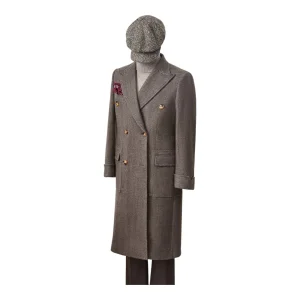
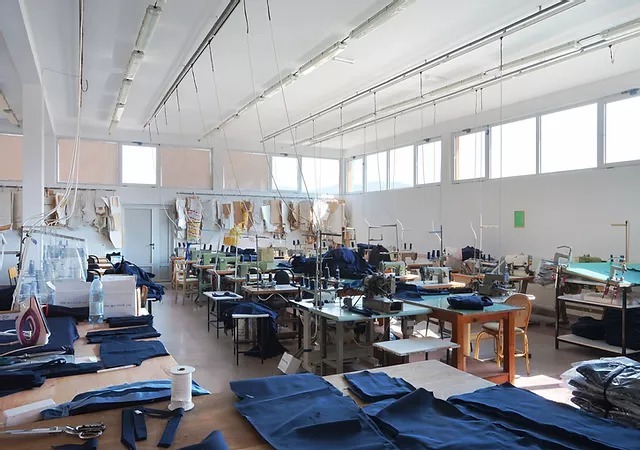
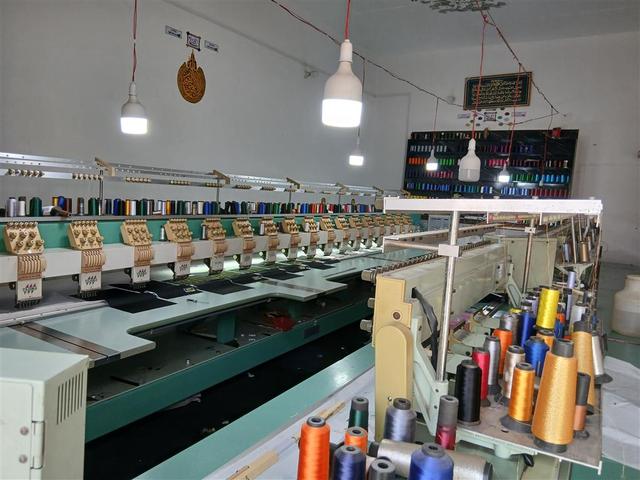
Inside the production floors of Dongguan CLStyle Fashion Co., Ltd. Our integrated facility is equipped with automated machinery, systematic inspection stations, and precision packaging areas to deliver consistent garment quality.
Circular knitting machinery producing high-density synthetic fabrics.
Every batch undergoes double-pass inspection for seam and dye consistency.
Digital nesting processes maximize fabric efficiency and reduce waste.
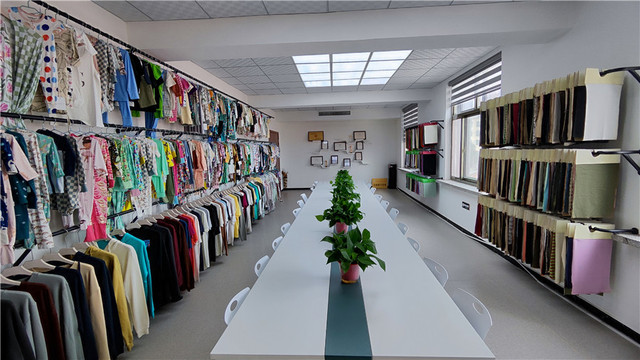
Skilled technicians use multi-thread flatlock machinery for reliable durability.
 CLStyle Fashion