Engineered for Resilience, Style, and Functionality
Insights into a $35 Billion Performance Market
The global men’s technical outerwear market is projected to reach $35.2 billion by 2028, driven by the "Gorpcore" trend where outdoor performance gear transitions into everyday urban fashion.
Exporters are shifting from traditional heavy fabrics to ultra-lightweight, 3-layer laminated membranes (PTFE-free) that offer 20,000mm waterproofing and 20,000g/m²/24h breathability.
China remains the powerhouse, particularly Dongguan and Fujian hubs, due to vertical integration—from polymer extrusion to high-frequency seamless welding production lines.
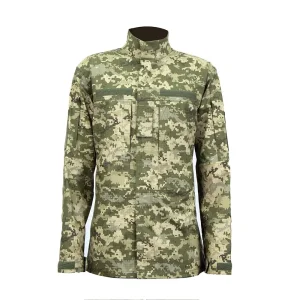
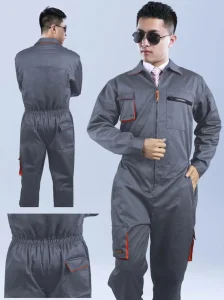
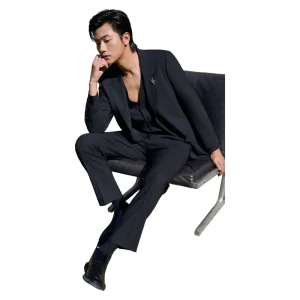
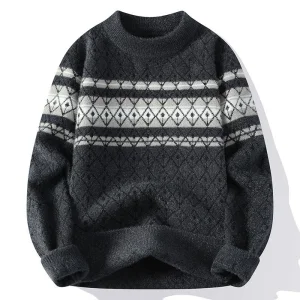
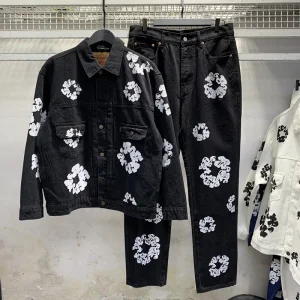
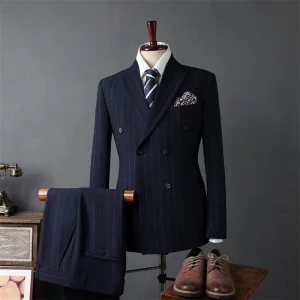
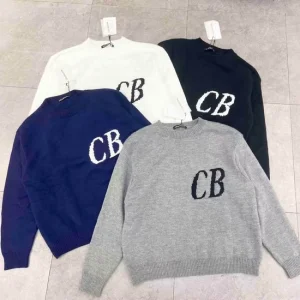
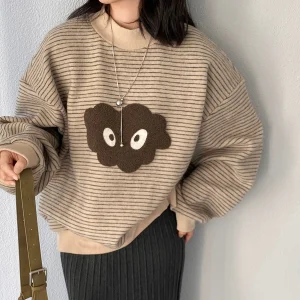
Dongguan CLStyle Fashion Co., Ltd. is a professional men’s clothing manufacturer and fashion apparel supplier specializing in casual wear, formal wear, and streetwear for global markets. Established in 2010 and located in Dongguan, China, the company integrates design, fabric sourcing, pattern development, production, quality control, and international OEM/ODM services into a complete modern apparel manufacturing system.
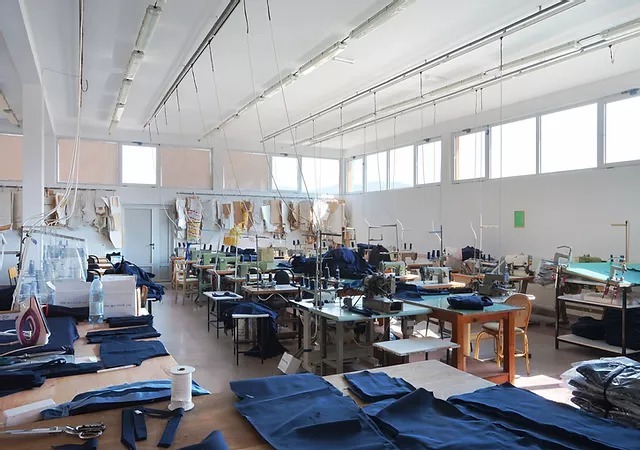
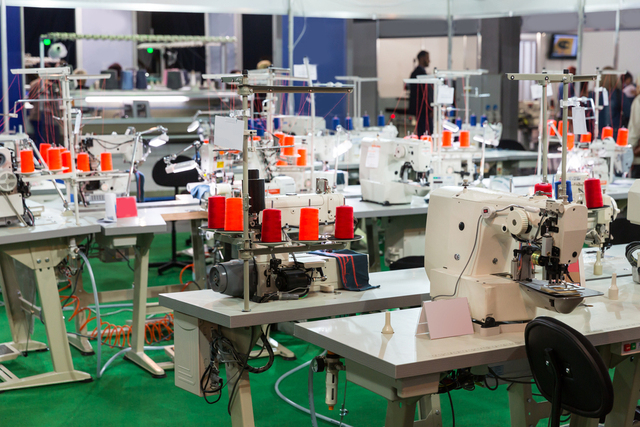
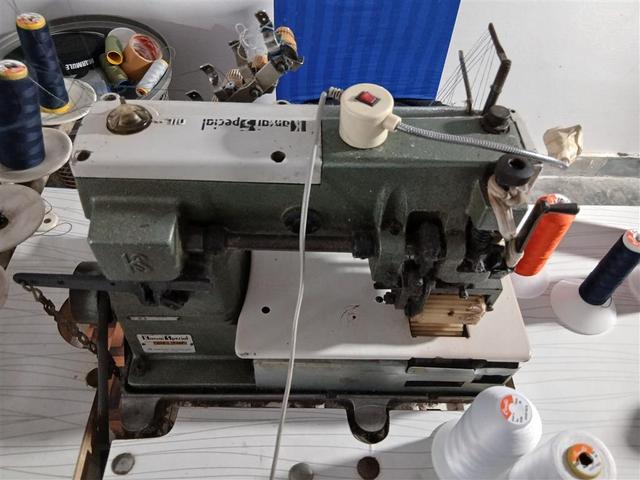
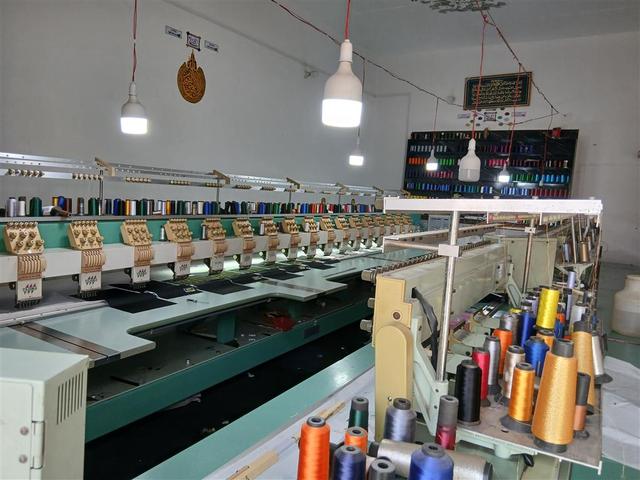
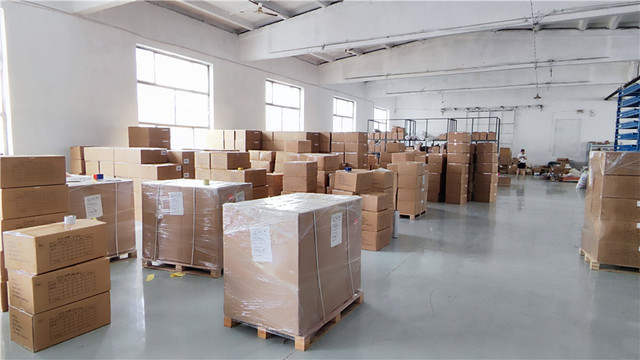
CLStyle operates a production facility covering approximately 22,000 square meters with more than 260 skilled employees, including fashion designers, pattern makers, and production technicians. Equipped with advanced sewing equipment, digital cutting systems, and strict quality inspection processes, the company ensures consistent craftsmanship and high durability.
Annual Production (Pieces)
Facility Sq. Meters
Skilled Technicians
Years of OEM/ODM Expertise
Sustainability, Versatility, and Intelligence
Major exporters are adopting GRS (Global Recycled Standard) certified polyesters and bio-based membranes made from castor oil, reducing reliance on fossil fuels.
Integration of graphene linings and phase-change materials (PCM) that absorb heat when the body is active and release it when the core temperature drops.
The rise of "Workleisure"—technical jackets that look like formal blazers but possess the stretch of sportswear and the waterproof rating of alpine gear.
Tailoring Performance to Global Environmental Needs
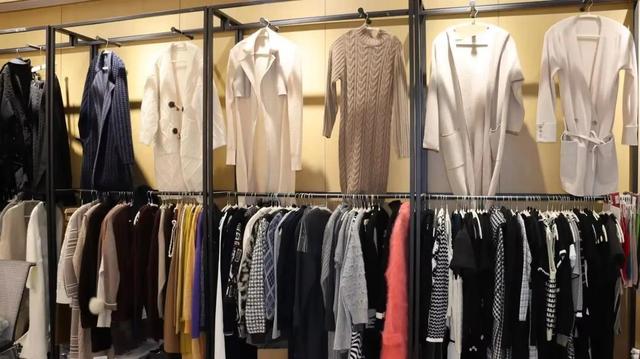
Focus on insulation (700-800 fill power down) and windproof "hard-shell" technology to combat extreme sub-zero temperatures and high-velocity winds.
Prioritizing ultra-breathability and packability. Exporters focus on "soft-shells" with DWR (Durable Water Repellent) coatings that handle humidity without heat trap.
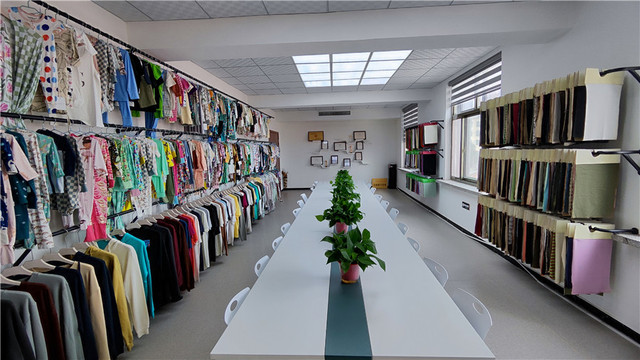
Modular designs with multi-pocket systems (utility) and reflective elements for night-time visibility in metropolitan environments like Tokyo, Berlin, or NYC.
The Convergence of Textiles and Data
Eliminating stitch holes entirely through ultrasonic bonding, ensuring 100% waterproof integrity and reducing weight by 15%.
Mass production of jackets with embedded NFC tags for supply chain transparency and smart sensors for monitoring body vitals in high-altitude conditions.
Using AI to analyze global weather patterns and body motion data to create "Generative Patterns" that minimize fabric waste and maximize ergonomic mobility.
Direct Insights for B2B Importers and Brands
Industry leaders are defined by their R&D capabilities, ISO certifications, social compliance (like BSCI), and the ability to handle complex fabric laminations that standard garment factories cannot process.
Top exporters provide value-added services such as fabric stress testing, wash-cycle durability reporting, and localized trend forecasting, rather than just manufacturing based on a provided tech pack.
Due to the specialized nature of technical fabrics (Gore-Tex alternatives, Event, etc.), MOQs usually range from 500 to 1,000 pieces per style, depending on fabric availability and customization needs.
Companies like CLStyle utilize AQL 2.5/4.0 standards, digital cutting for precision, and 4-point fabric inspection systems to ensure zero-defect output for global retail markets.
Diverse Apparel Solutions for Modern Global Brands
 CLStyle Fashion