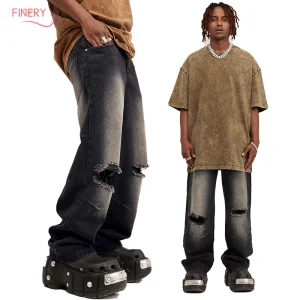
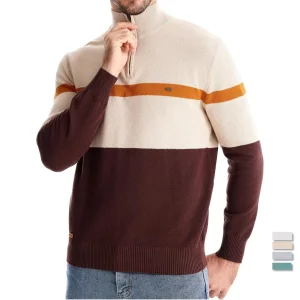
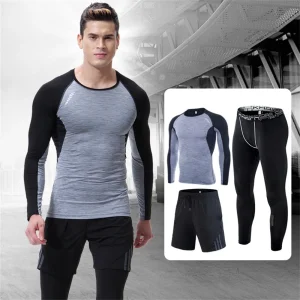
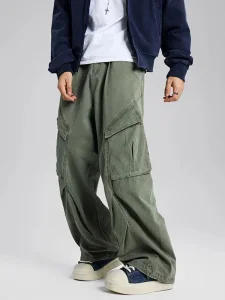
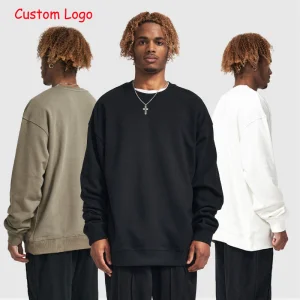
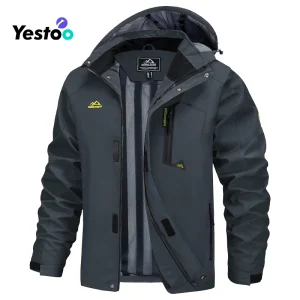
Discover our highly-demanded menswear catalog tailored to international quality standards, engineered for fast-turnaround e-commerce brands and global retail distributors.
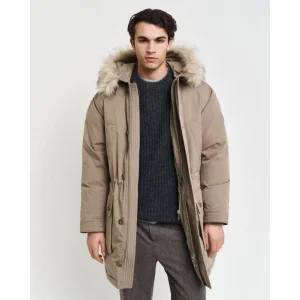
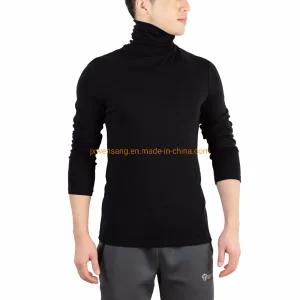

How modern lifestyle, post-pandemic workspaces, and smart textiles are redefining B2B tailored apparel sourcing.
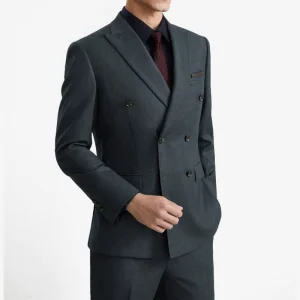
The global men's blazer industry is undergoing a monumental evolution. The traditional boundary between rigorous formal suits and leisure streetwear has dissolved, giving rise to "Smart-Casual Hybrid Tailoring". Today's commercial and retail consumers demand blazers that serve multiple application scenarios: corporate boardrooms, remote home offices, and post-work social events.
This dynamic shifts procurement strategies for global clothing brands and wholesalers. According to our recent apparel intelligence market analysis, the key growth trends include:
Combining traditional raw textures with performance synthetics to prevent creasing during long transit and dense packing schedules.
Using advanced digital CAD templates and 3D modeling to eliminate fit errors between Eastern and Western sizing charts.
Bridging traditional high-volume batch operations with dynamic, responsive small-batch OEM and ODM customized orders.
What international sourcing executives, buying offices, and chain retailers need to solve in their supply lines.
Procuring high-quality blazers and outerwear at scale is uniquely challenging compared to simple cut-and-sew items like basic t-shirts or casual hoodies. Sourcing directors regularly struggle with quality consistency, shape retention, and severe logistics bottlenecks. Addressing these concerns is vital for establishing high E-E-A-T standards on the supply side.
| Procurement Challenge | Underlying Technical Cause | The CLStyle Smart Solution |
|---|---|---|
| Inconsistent Shoulder & Lapel Shaping | Poor quality fusible interlinings and outdated pressing molds which distort after long-distance dry cleaning or shipping. | Integration of premium woven interlinings and state-of-the-art digital three-dimensional steam pressing stations. |
| Sizing Fluctuations & High Return Rates | Manual paper pattern scaling deviations and fabric shrinkage variables not measured prior to bulk production. | Implementation of CAD computerized grading software alongside mandatory laboratory testing for fabric shrinkage and colorfastness. |
| Inflated Lead Times & Stockouts | Fragmented supply chains where fabric sourcing, dyeing, cutting, and sewing are managed by disparate third-party entities. | A completely vertically integrated Dongguan factory containing direct fabric sourcing relationships and in-house pattern masters. |
| Lack of Sustainability Compliance | Suppliers relying on untraceable materials failing to meet North American or European ESG mandates. | Strict sourcing protocols utilizing certified organic cotton, recycled polyester options, and wool from ethical farms. |
How Dongguan CLStyle Fashion Co., Ltd. leverages technological intelligence to build a superior apparel manufacturing ecosystem.
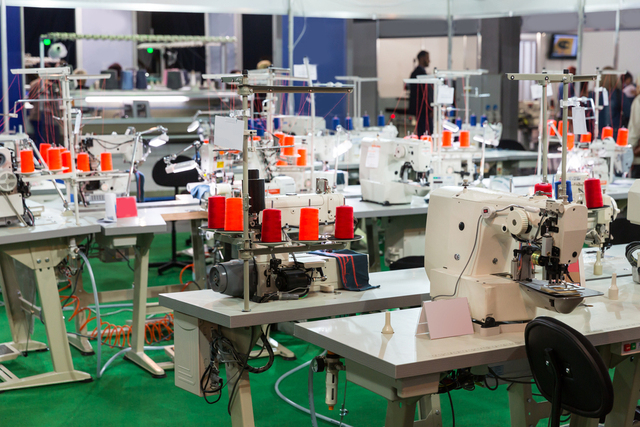
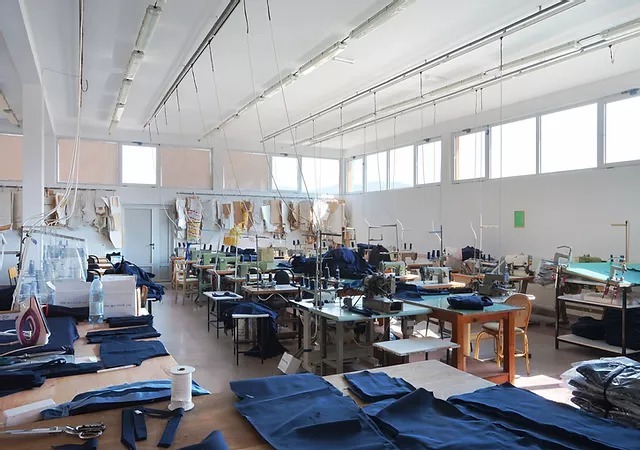
Established in 2010 in Dongguan, the undisputed global capital of hardware and premium manufacturing, Dongguan CLStyle Fashion Co., Ltd. represents the future of smart apparel manufacturing. The enterprise integrates modern design principles, automated cutting, deep fabric sourcing networks, digital grading, and strict multi-tier quality control.
Spanning an expansive, highly optimized production facility of 22,000 square meters, CLStyle houses over 260 seasoned fashion professionals, including senior fashion designers, certified pattern makers, and advanced technical operators. The integration of Smart Factory 4.0 parameters ensures a fluid flow of materials, real-time tracking of order progress, and a production capacity exceeding 3.5 million garments annually.
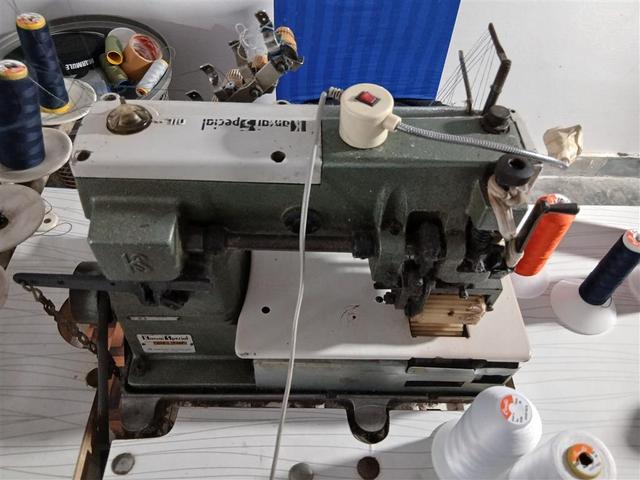
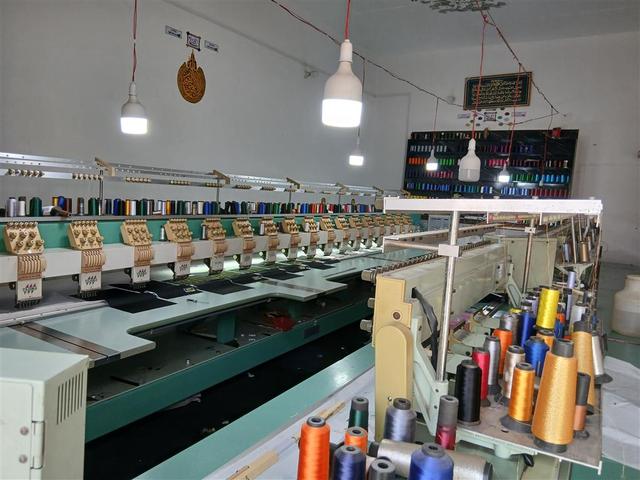
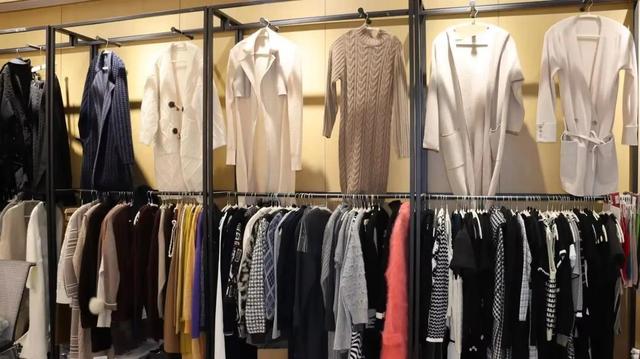
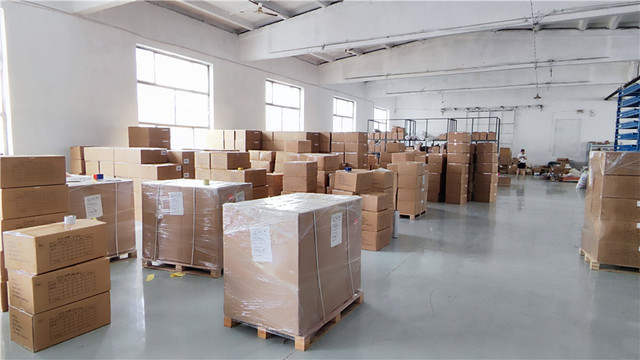
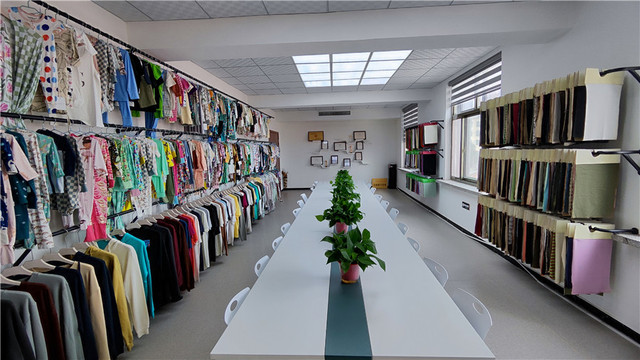
By coordinating directly with leading textile mills in Zhejiang, Jiangsu, and Guangdong provinces, CLStyle guarantees access to elite raw fabrics. Whether you require micro-structured knits, high-twist virgin wools, or technical blends, our sourcing library is updated weekly with over 500 new premium swatches.
From yarn testing and roll inspection to inline sewing checks and final tunnel pressing examinations, every piece is subjected to a comprehensive quality protocol. We maintain a zero-defect tolerance on button stitch density, zipper smoothness, seam alignment, and pocket reinforcement.
Delving deep into structural tailoring components that determine a product's lifespan and premium value.
To deliver real "Information Gain" to apparel buyers, we must highlight the microscopic details that define a superior blazer. Selecting a low-cost, unverified manufacturer often leads to deflated collars, puckering armholes, and bubbled lapels. Below is a detailed map of CLStyle's technical engineering process.
Traditional cheap blazers use low-grade synthetic fusible interlining throughout the front chest piece. When heat is applied (like during steam ironing or hot weather), the glue breaks down, creating ugly "bubbles" on the blazer face. CLStyle employs premium-grade knit fusibles and offers a premium half-canvas construction option. By blending natural horsehair canvas with modern light fusing, the blazer conforms naturally to the wearer's chest over time, offering a bespoke tailored feel.
An armhole must provide absolute ease of motion. CLStyle applies computerized setting machines to sew the sleeve into the armhole with calculated tension. This prevents horizontal pulling lines and ensures the sleeve hangs gracefully without restriction.
The lapel roll is the visual centerpiece of a blazer. Our skilled pattern technicians design a subtle curvature difference between the upper lapel and under-collar pattern. This ensures the lapel rolls naturally back toward the chest rather than laying stiffly flat against the torso.
Optimizing blazer inventory curation based on target demographics, regional climates, and consumer intents.
Focus: Stretch travel jackets and machine-washable blazer blends.
North American consumers prioritize convenience. Merchandising blazers blended with viscose and elastane caters to the commuter market, demanding wrinkle-resistance and lightweight feel.
Focus: Textured linen-wool mixes and recycled polyester blazers.
Western European markets demand strict eco-certifications. Earth tones, organic certifications, and slim-fitted, soft-shouldered deconstructed blazers dominate this demographic.
Focus: Tropical-weight blends and high-breathability unlined tailoring.
Given hot, humid climates, APAC and Oceania regions seek breathable half-lined utility blazers that protect from high sun exposure while allowing optimal airflow.
Answering critical queries regarding procurement processes, OEM/ODM parameters, lead times, and global shipping.
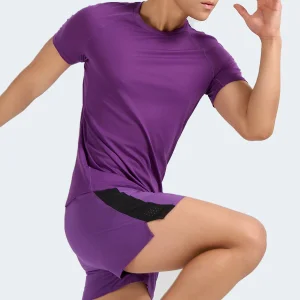
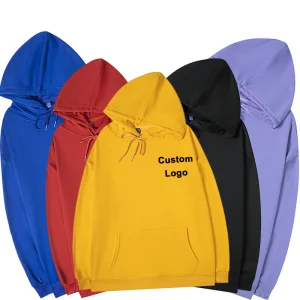
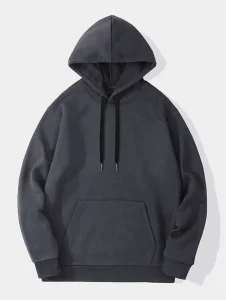
Discover the second half of our globally integrated menswear, streetwear, and sportswear collection.
 CLStyle Fashion