Explore high-spec ODM/OEM design capability across premium fabrics, advanced weaving architectures, and performance-oriented activewear.
The premium denim market has evolved from a traditional rugged utility garment to a highly complex segment of modern menswear, characterized by intense engineering, sophisticated chemical washes, and demanding environmental standards. For global brand directors, sourcing strategists, and supply chain operators, selecting a trusted men's premium denim factory is no longer just a procurement query—it is a long-term strategic decision that influences product longevity, brand equity, and legal compliance with global sustainability mandates.
This comprehensive industry analysis details the macroeconomic factors shaping modern denim manufacturing, provides technical insights into next-generation processing, explores localized market dynamics, and highlights the operational excellence of leading facilities like Dongguan CLStyle Fashion Co., Ltd. as prime benchmarks for top-tier apparel solutions.
"True innovation in premium denim exists at the intersection of artisanal fabric engineering and environmental chemistry. The factories leading the next decade are those that can scale dynamic aesthetic washes while decoupling production from ecological footprint."
Historically, the production of premium denim was highly centralized in historic textile hubs within Japan (Kojima), Italy (Veneto), and the United States (North Carolina). However, shifting labor dynamics, escalating global logistics costs, and the need for incredibly fast lead times have transformed the landscape. Today, the world's leading denim brands leverage a hybrid sourcing strategy, looking for regions that offer robust, vertically integrated textile clusters alongside high technical competence.
Southern China—particularly the Pearl River Delta industrial cluster—has transitioned from basic CMT (Cut, Make, Trim) factories to smart manufacturing centers. The region's infrastructure enables rapid raw material sourcing (such as high-grade long-staple cotton, natural indigo dyestuffs, and specialty elastanes), cutting-edge digital pattern development, and compliant, eco-certified wet processing. This synthesis of speed, technological capacity, and deep supply chain penetration makes it the premier hub for brands seeking dependable, high-yield partners.
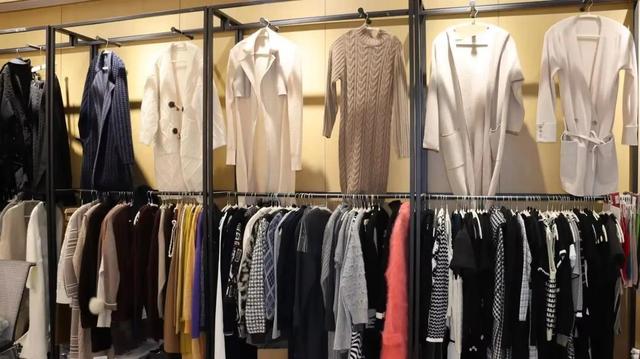
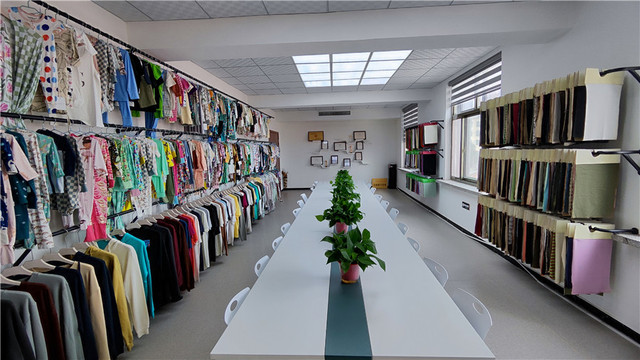
A prime example of an advanced, reliable player within the premium garment manufacturing landscape is Dongguan CLStyle Fashion Co., Ltd. Established in 2010 and strategically located in Dongguan, China, the company integrates design, fabric sourcing, pattern development, production, quality control, and international OEM/ODM services into a complete modern apparel manufacturing system.
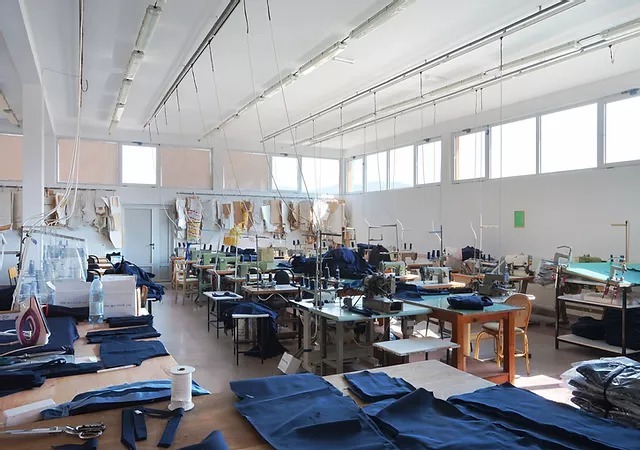
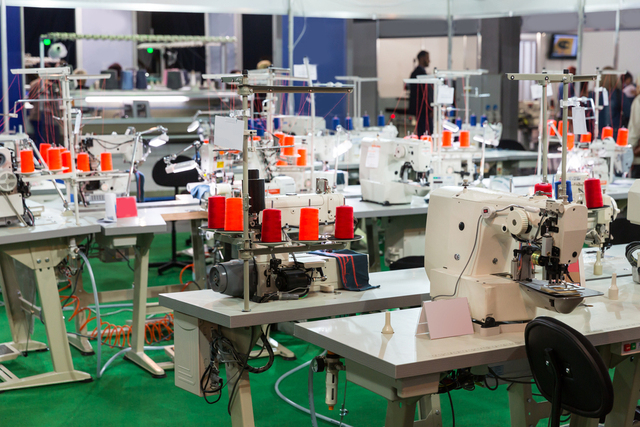
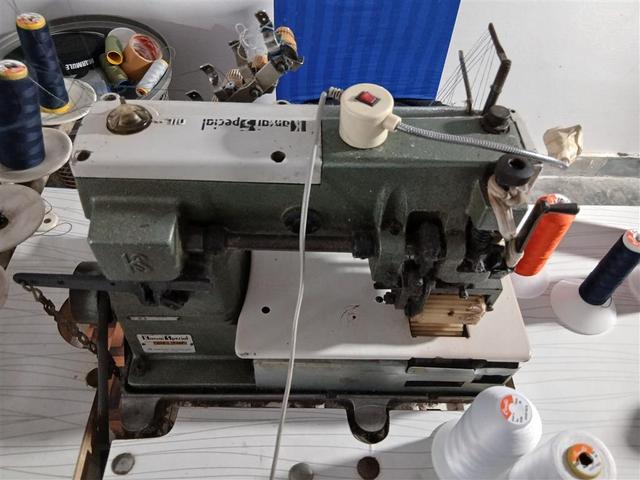
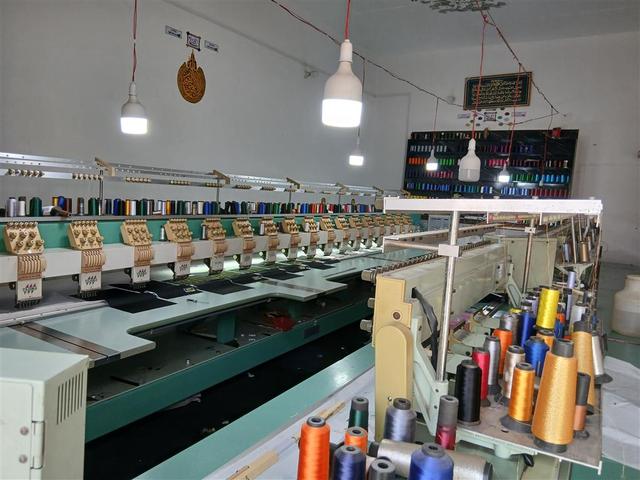
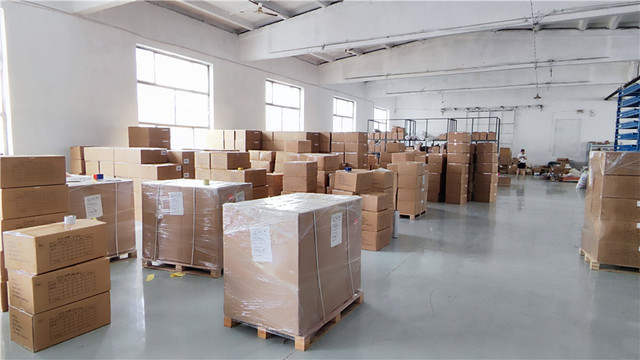
CLStyle operates a state-of-the-art production facility covering approximately 22,000 square meters with more than 260 skilled employees, including fashion designers, pattern makers, and production technicians. Equipped with advanced sewing equipment, digital cutting systems, and strict quality inspection processes, the company ensures consistent craftsmanship, accurate sizing, and high durability across all garments. With an annual production capacity exceeding 3.5 million pieces, CLStyle serves wholesalers, fashion brands, e-commerce retailers, and distributors globally.
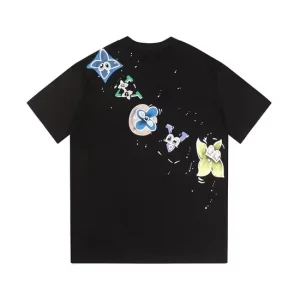
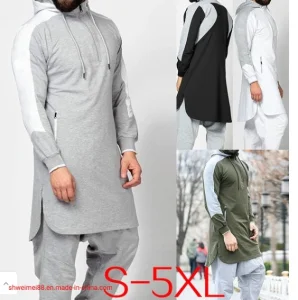
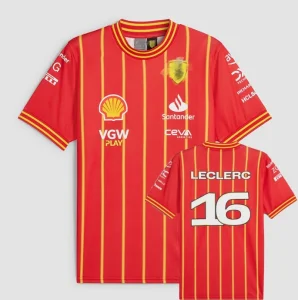
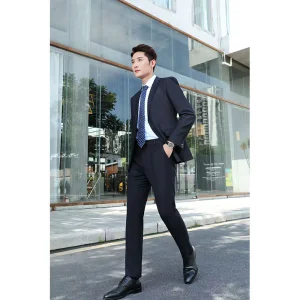
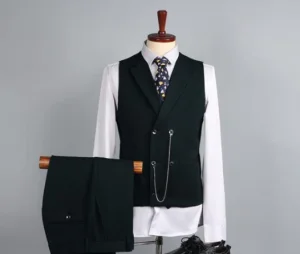
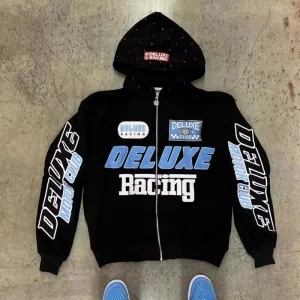
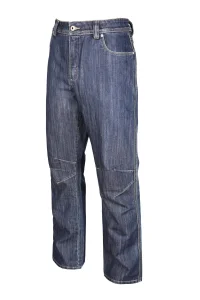
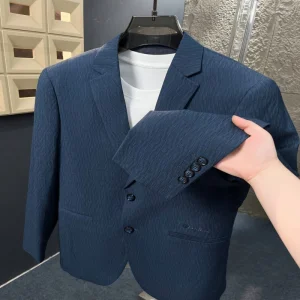
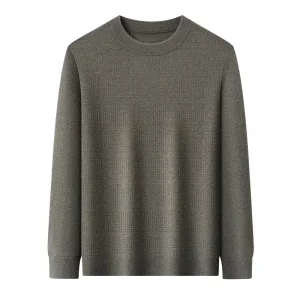
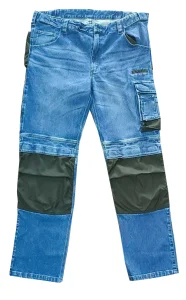
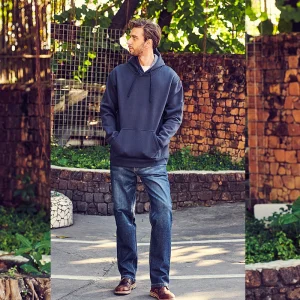
Their expansive product architecture spans high-durability denim workwear, classic cowboy jeans, men's designer T-shirts, jackets, professional business suits, and street fashion apparel. By combining modern fashion trends, high-quality fabrics, and efficient production techniques, CLStyle delivers stylish, comfortable, and market-oriented clothing solutions tailored to different regional preferences. This agile integration allows them to offer flexible customization services and competitive pricing while upholding rigorous quality standards required by international markets.
The premium denim market is experiencing a rapid convergence of eco-responsibility, athletic performance, and heritage design. Smart factories must adapt their infrastructure to meet three core trends dominating global consumer demand:
Traditional denim washing consumes up to 70 liters of water per jean. Advanced factories utilize ozone technology and closed-loop filtration to reduce fresh water consumption by up to 95%, satisfying zero liquid discharge (ZLD) norms.
Consumer research shows modern buyers prioritize flexibility. Leading facilities incorporate high-recovery elastanes (like Lycra T400) blended with organic cotton or Modal to deliver exceptional retention without bagginess.
With regulations like the European Digital Product Passport (DPP) approaching, premium factories must offer fully mapped supply chains, utilizing GOTS-certified cotton and traceable recycled post-consumer fibers.
To manufacture premium denim that commands significant margins in retail, top-tier factories utilize a precise technical roadmap. The production paradigm integrates automated craftsmanship at every touchpoint:
Utilizing high-speed projectile and air-jet looms to weave raw denim. Precise controls manage the tension of warp and weft yarns, creating characteristic surfaces (such as right-hand twills or authentic slub textures) without introducing structural weaknesses.
Implementing nitrogen-shielded indigo dyeing lines to maximize dyestuff attachment while lowering chemical consumption. Controlled oxidation cycles ensure deep color intensity while facilitating easier distress cycles during final wash treatments.
Replacing manual sandblasting and harsh potassium permanganate (PP) sprays with advanced laser etching. This software-driven process recreates vintage whiskers, fades, and wear patterns accurately without degrading fiber strength or risking operator health.
Every batch undergoes stringent weight (oz/sq yd), shrinkage, seam strength, and color fastness evaluations. This methodology ensures garments shipped from international hubs like Dongguan arrive defect-free and ready for high-end boutique display.
Premium denim is not globally uniform. Successful brands tailor their fabric specifications to match localized climates, lifestyle expectations, and cultural preferences. A top-tier OEM partner must have the flexibility to satisfy these specific requests:
Answers to critical technical, operational, and logistics queries for international fashion supply chain managers.
Heavy-duty, wear-resisting classic constructions and luxury smart wear engineered for durability and ultimate comfort.
 CLStyle Fashion