 CLStyle Fashion
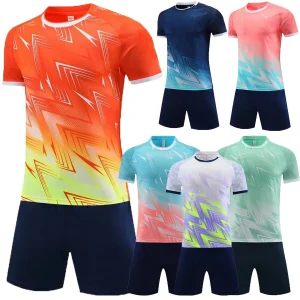
High-performance sport and casual wear designed for durability, breathability, and comfort in warm, humid coastal regions.
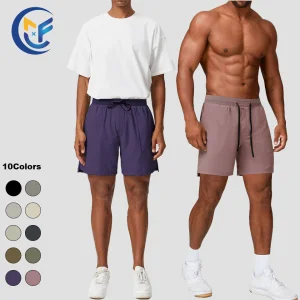
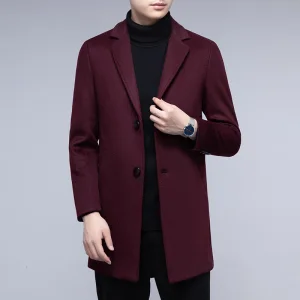
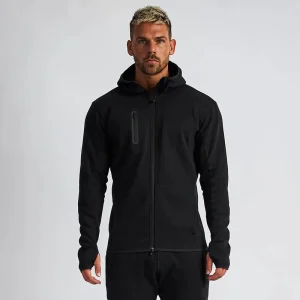
São Tomé and Príncipe (STP), an island nation nestled in the Gulf of Guinea, presents a unique micro-market environment for global apparel importers and wholesalers. Characterized by an equatorial, tropical, and highly humid climate, the region experiences steady temperatures year-round, averaging between 22°C and 30°C. However, the mountainous interiors of the islands—such as the areas surrounding Monte Café and Pico de São Tomé—present cooler highland zones. This distinct topography generates a specialized consumer demand for versatile casual wear, lightweight knitwear, and breathable sport jackets capable of handling dramatic microclimate transitions.
Historically, the country has relied heavily on importing finished textile and clothing goods. The local retail sector is experiencing dynamic transformations, driven by a growing middle class, rising urbanization in the capital of São Tomé, and a burgeoning eco-tourism industry that hosts international travelers requiring functional, high-durability apparel. Wholesalers and local distributors are increasingly demanding high-quality, new garments over low-grade second-hand imports to satisfy the design expectations and lifestyle shifts of urban consumers seeking modern activewear and clean streetwear aesthetics.
For international buyers supplying the STP market, understanding fabric composition is critical to commercial success. Standard heavy woolens or dense synthetic fibers often trap humidity, promoting mold development and fabric degradation in warehouse settings. Therefore, import focus centers heavily on premium knitwear engineered with lightweight cotton-polyester blends, moisture-wicking synthetic structures, and lightweight French Terry fabrics. These materials balance the necessity of wind insulation during the damp rainy seasons ("gravana") with maximum heat dissipation during daylight hours.
In addition, the maritime transport system of São Tomé and Príncipe—primarily utilizing the Port of São Tomé—imposes strict container shipping durations. Ensuring goods are properly packed to prevent saltwater humidity and mold formation during ocean freight transit is paramount to protecting inventory investment and maintaining retail-ready quality upon customs clearance.
Dongguan CLStyle Fashion Co., Ltd. provides customized end-to-end manufacturing architectures designed specifically to resolve logistics, climatic, and trade challenges encountered by apparel brands and distributors in São Tomé and Príncipe.
Every shipment destined for the Gulf of Guinea is packed in heavy-duty, double-sealed anti-moisture polybags and fitted with industrial-grade silica desiccant pouches. This preserves the original texture and color of knitwear during long ocean voyages.
We offer flexible OEM/ODM pattern development services. Brands in São Tomé can integrate custom branding, localized Portuguese sizing charts, and specific fabric weights (GSM adjustments) optimized for the regional climate.
Our logistics specialists arrange documentation (such as CE certificates, packing lists, and commercial invoices) aligned with Portuguese compliance standards, ensuring smooth customs processing at the Port of São Tomé.
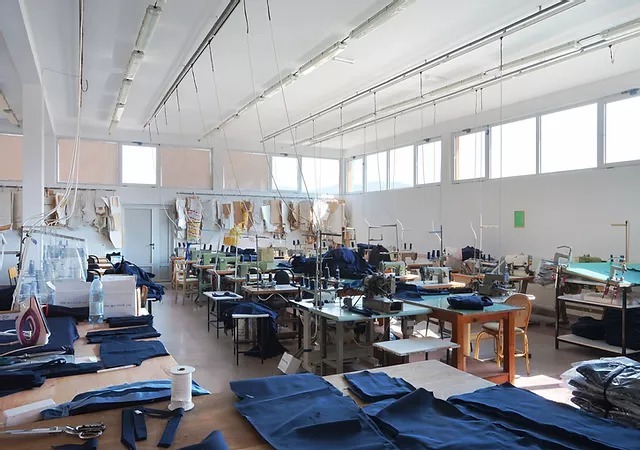
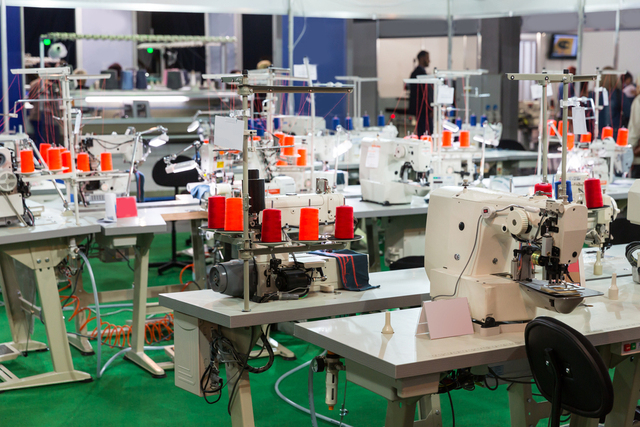
Established in 2010, Dongguan CLStyle Fashion Co., Ltd. is a premier apparel manufacturer specializing in the research, design, and export of high-quality men's casual wear, sportswear, and performance knitwear. Strategically located in the textile hub of Dongguan, China, we operate an advanced production facility spanning over 22,000 square meters. Our operations are supported by a workforce of more than 260 skilled technicians, pattern designers, and quality assurance specialists.
By leveraging digital CAD patterning, automatic laser fabric cutting, and a rigid inline quality inspection protocol, we achieve an annual output capacity exceeding 3.5 million units. This high-capacity output allows us to support wholesalers, corporate buyers, and boutique apparel brands globally with flexible customization, consistent sizing, and swift turnaround times.
Maintaining a dependable, disruption-free supply chain to remote island economies requires more than standard manufacturing. It demands absolute production transparency, reliable delivery timelines, and direct material sourcing expertise. At CLStyle, we maintain a robust inventory of high-grade raw materials (including organic combed cotton, performance polyester filaments, and custom nylon blends), ensuring our production lines remain active regardless of global raw material market fluctuations.
Our quality control laboratory conducts strict trials for colorfastness, shrinkage resistance, and tensile strength on every production run. This rigorous approach prevents product defects, protecting local importers from high return rates and customer dissatisfaction.
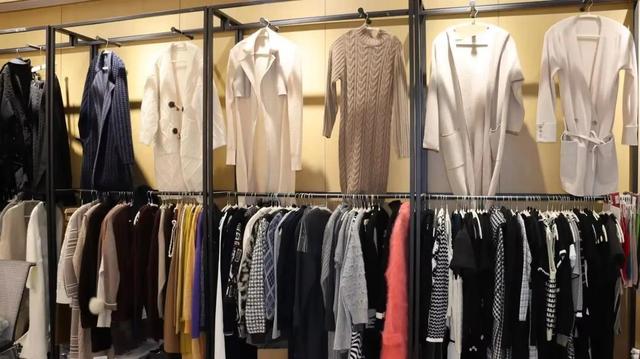
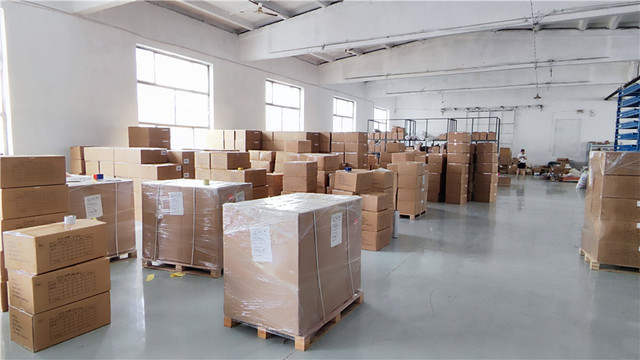
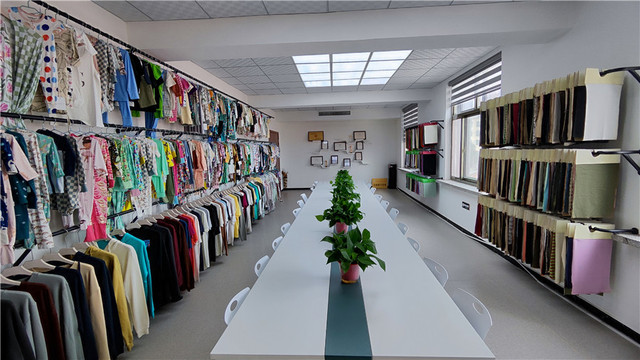
We recommend specific material configurations for regional buyers ordering knitwear and casual sets for coastal West Africa.
Developing lightweight knitwear requires a balance of weight and insulation. For sweaters, hoodies, and cardigans, we recommend cotton/polyester blends (typically 65% cotton / 35% polyester or 80/20 blends). Cotton provides essential breathability, softness, and skin comfort, while polyester enhances tensile strength, shape retention, and resistance to high-humidity stretching.
For activewear and running sets, our 100% micro-polyester dry-fit structures utilize specialized cross-sectional fibers that draw sweat away from the body, distributing it across the outer layer for rapid evaporation. This moisture management performance is critical for local sports programs, gym chains, and daily activewear in tropical conditions.
Because São Tomé's relative humidity averages over 80% throughout the year, raw fabrics are vulnerable to mold and mildew during storage. We treat all knit fabrics with specialized, eco-friendly anti-microbial coatings. This finish minimizes musty odors and preserves fabric freshness over extended shelf lifetimes.
Additionally, we apply advanced anti-pilling wash techniques to our combed cotton yarns. This ensures our casual wear and outerwear maintain their smooth texture and premium finish, even after repeated washings under local water conditions.
Navigating the importing process in São Tomé and Príncipe requires precise documentation to avoid delays at the Port of Ana Chaves in São Tomé. All imported apparel must be accompanied by a detailed Commercial Invoice, a Packing List specifying fabric content by weight, a Bill of Lading (B/L), and an import license (D.I. - Documento de Importação). At CLStyle, we coordinate with your clearing agent, providing exact HS Codes (Harmonized System Codes) for knitwear and sportswear to prevent import duty misclassifications.
Additionally, under Portuguese colonial influence and current legal frameworks, garment labeling must feature Portuguese language descriptions. We offer full customization for wash care labels, hangtags, and size tags, translating fabric compositions, country of origin details, and wash instructions into Portuguese to ensure compliant retail distribution.
To guarantee defect-free delivery, our quality control team follows strict AQL 2.5 (Acceptable Quality Limit) procedures. This inspection system covers raw yarn evaluation, dye batch testing, inline sewing quality checks, and final packaging audits. We inspect every seam, zipper attachment, buttonhole alignment, and size specification before dispatch.
By enforcing this standard, we minimize defective products, reducing return rates and lowering processing costs for bulk apparel importers in West Africa.
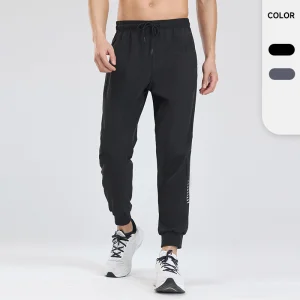
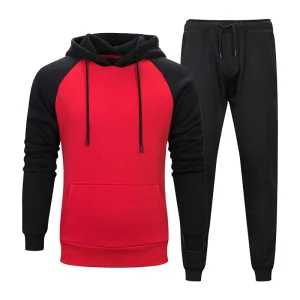
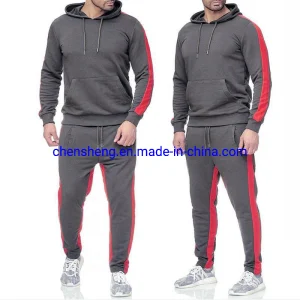
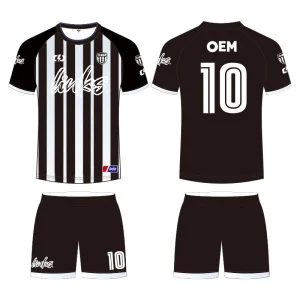
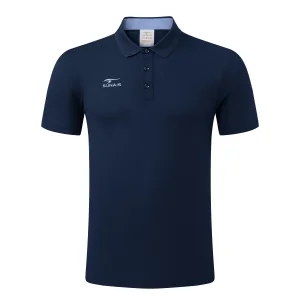
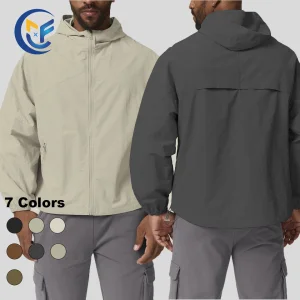
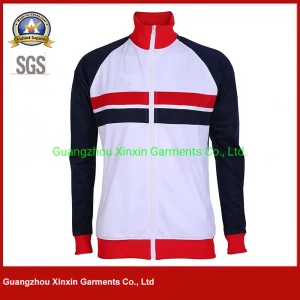
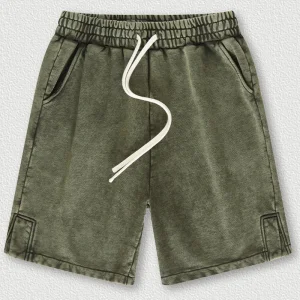
Explore our wide selection of men's tracksuits, hoodies, joggers, polo shirts, and casual wear jackets. Custom sizing, branding, and colorways are available.
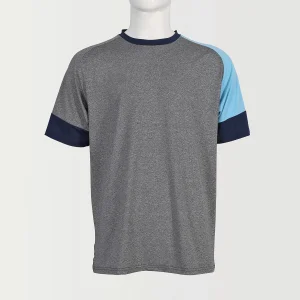
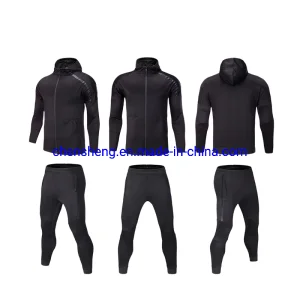
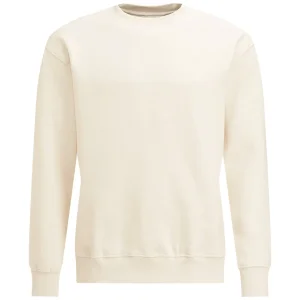
How CLStyle is integrating technical design and eco-friendly standards for the West African apparel sector.
To reduce shipping costs and speed up turnaround times for buyers in São Tomé and Príncipe, CLStyle uses advanced 3D virtual garment rendering. Before sample production begins, we generate detailed digital mockups. This allows importers to adjust size parameters, pockets, stitch patterns, and collar shapes online, minimizing the physical sampling cycle from three weeks to just 48 hours.
Additionally, this 3D drafting system integrates directly with our automated cutting tables. This helps reduce raw material fabric waste, supporting a more sustainable and efficient production process.
Global apparel consumers are increasingly seeking eco-friendly alternatives. In response, CLStyle has expanded its sourcing to include GRS-certified (Global Recycled Standard) recycled polyester and GOTS-certified (Global Organic Textile Standard) organic cotton. These materials maintain the same strength and softness as traditional fibers while reducing water and energy footprint by up to 30%.
For high-end boutiques and resort retailers in São Tomé, incorporating organic, eco-labeled apparel helps attract eco-conscious tourists and supports local sustainable retail programs.
Answers to common inquiries regarding logistics, customized manufacturing, payment options, and regional shipping to West Africa.
Our standard MOQ for customized garments (with custom colors, sizing, and branding) is 200 units per style/color. However, to support trial orders for newly established apparel brands and retail chains in São Tomé and Príncipe, we can adjust limits for specific fabric categories.
We package each product in airtight, moisture-resistant OPP bags, complete with high-absorption silica gel desiccant packs. Outer shipping cartons are double-walled corrugated fiberboard, wrapped in waterproof poly-wrap film. This ensures the cargo remains protected from moisture and humidity during transit to West African ports.
Yes. We offer comprehensive translation and print packaging services. Wash care labels, product hangtags, outer carton markings, and product descriptions can be customized in Portuguese to comply with import regulations and consumer markets in São Tomé and Príncipe.
For sea freight, shipping from Guangzhou/Shenzhen port to the Port of São Tomé takes approximately 35 to 50 days, depending on carrier schedules and regional transshipment stops. For urgent sample deliveries, we utilize air express services (DHL, FedEx, UPS), which typically take 7 to 12 business days to arrive in São Tomé.
Yes. We provide necessary export documentation, including Certificates of Origin (CO), detailed commercial invoices, packing lists, and laboratory testing reports for fiber content and dye safety. This documentation simplifies the customs entry process with the local tax authority (Direcção das Alfândegas) in STP.
We use the Pantone Matching System (PMS) to ensure color accuracy. Customers can specify Pantone codes, and our dye houses match the shade, verified by spectrophotometer analysis. We also provide physical pre-production fabric swatches ("lab dips") for final client approval before starting bulk production.