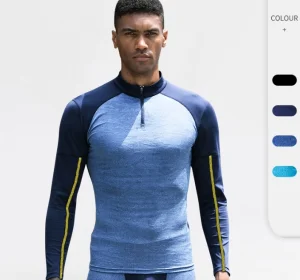
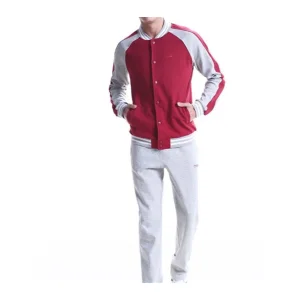
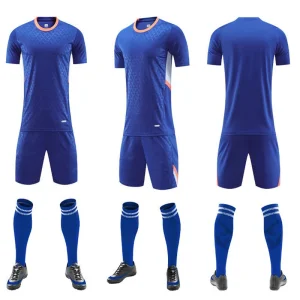
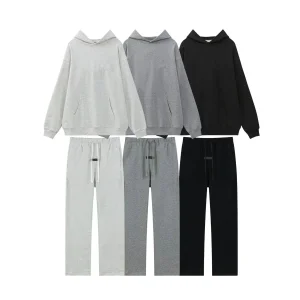
Premium activewear engineered to meet Japanese structural standards and international performance parameters.
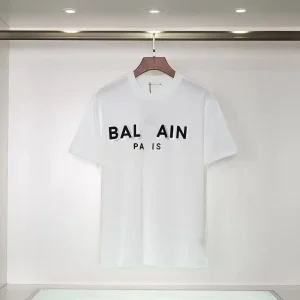
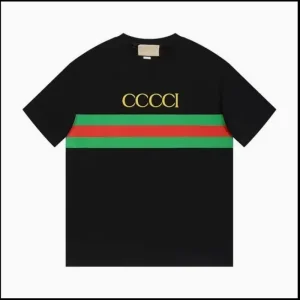
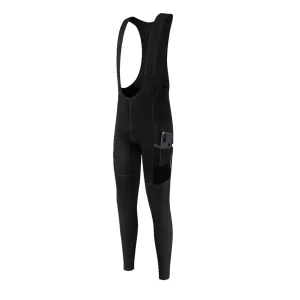
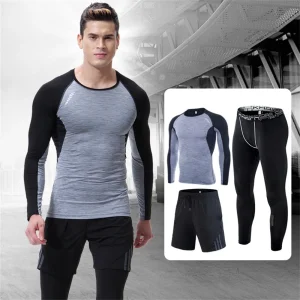
As the industrial heartland of Aichi Prefecture, Nagoya has long been recognized as a global epicenter of engineering precision, composite materials research, and specialized manufacturing. While traditionally celebrated for its automotive and aerospace triumphs, Nagoya has quietly established itself as a critical node in the global high-performance textile and apparel supply chain. By merging advanced fiber science with precision manufacturing technologies, suppliers in this region have pioneered breakthroughs in moisture management, thermodynamic regulation, and ergonomic kinetic structures for elite sportswear.
For enterprise procurement officers, international brand directors, and high-growth e-commerce platforms, navigating the Nagoya sportswear ecosystem requires a deep understanding of how local fabric engineering integrates with modern, agile apparel factories. This comprehensive whitepaper explores the macro-industrial landscape of sportswear manufacturing, analyzing how technological integrations, supply chain optimization, and sustainable production paradigms converge to define the future of men’s performance apparel.
Nagoya's textile prominence is anchored in its historic proximity to the Chubu industrial zone, where elite research institutions and synthetic fiber giants collaborate on high-polymer engineering. Modern sportswear is no longer just sewn; it is engineered. Local research clusters in Nagoya focus intensely on the development of smart yarns, phase-change polymers, and biomechanically mapped fabrics.
This regional powerhouse acts as both a Direct Manufacturer of premium, low-volume technical collections and a Global Logistics and Sourcing Hub. Advanced fabric technologies developed in Nagoya are frequently routed through strategic global manufacturing partnerships—most notably with high-capacity facilities like Dongguan CLStyle Fashion Co., Ltd.—to leverage mass-scale high-precision assembly while retaining strict adherence to Japanese quality control (QC) frameworks. This hybrid model allows global brands to achieve the raw technological superiority of Japanese material science alongside the pricing optimization and capacity scale of specialized Southern China manufacturing centers.
Enterprise procurement at the global level has evolved past simple unit cost assessments. Today's procurement paradigms prioritize deep regulatory compliance, supply chain transparency, extreme quality assurance, and dynamic operational agility.
| Procurement Factor | Standard Expectation | Enterprise Grade (Nagoya Standards) |
|---|---|---|
| Lead Time Optimization | 60 to 90 days standard manufacturing cycle | 35 to 45 days utilizing agile digital patterns and automated cutting systems |
| Defect Metrics | AQL 2.5 (Acceptable Quality Limit) | AQL 1.0 to 1.5 premium threshold with 100% inline camera scanning |
| Eco-Compliance | Standard chemical declarations | OEKO-TEX® Standard 100 Class I, Bluesign® certified non-toxic dyestuffs |
| Supply Traceability | Basic country of origin documentation | Blockchain-verified yarn origin, GRS (Global Recycled Standard) verification |
Understanding the symbiotic relationship between regional design-sourcing nodes and high-capacity manufacturing centers is fundamental to global sourcing success. While Nagoya drives technical material specifications and high-level structural design, partners like Dongguan CLStyle Fashion Co., Ltd. represent the pinnacle of high-efficiency execution.
Established in 2010 and operating a massive 22,000 square meter advanced production facility, CLStyle represents the gold standard of integrated international OEM/ODM apparel manufacturing.
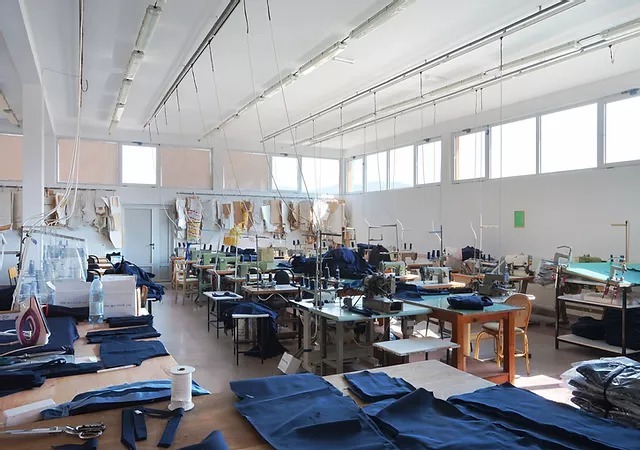
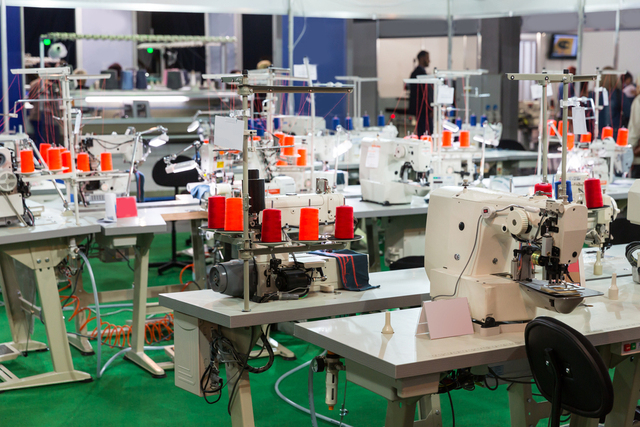
With over 260 skilled employees, including dedicated fashion designers, specialized pattern makers, and advanced technical operators, CLStyle perfectly bridges the gap between high-tech design blueprints and mass-scale production. Equipped with modern sewing systems, precise digital cutting units, and triple-tier inline quality inspection protocols, their annual capacity exceeds 3.5 million pieces.
*Operating as a core strategic global assembly partner for major brands utilizing Nagoya-engineered textile formulations.
This structural integration optimizes the global sportswear supply chain. Raw technical textiles—such as hydrophobic carbon-infused synthetics and dynamic thermal knits pioneered in Aichi's testing labs—are converted into detailed digital patterns. These patterns are seamlessly transmitted to advanced cutting and assembly facilities in China. The result? Uncompromised Japanese engineering coupled with highly optimized production efficiency and scaling power.
The future of men's sportswear lies in functional convergence. We map our production and technology parameters around several key material evolutions:
Entering major consumer markets in North America, the European Union, and East Asia requires absolute compliance with localized consumer safety and chemical usage regulations.
"Enterprise compliance is non-negotiable. Our production facilities maintain active compliance databases, ensuring all items exported are thoroughly mapped against REACH chemical restriction guidelines, EPA toxic substance metrics, and Japan's rigorous Household Goods Quality Labeling Act."
Our administrative operations provide full localized document clearance support, direct customs brokerage alignment, and physical lab verification testing across all performance parameters, including colorfastness, dry-wicking velocity, tensile strength, and pilling resistance.
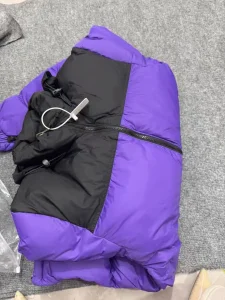
Specifically engineered layers featuring weatherproofing barriers, high ultraviolet protection indexes, and variable thermal linings.
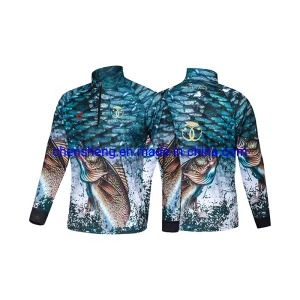
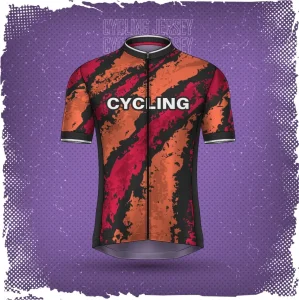
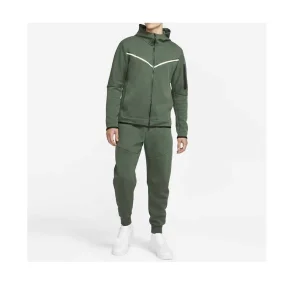
Highly versatile performance wear, circular recycled textiles, and everyday athletic streetwear systems.
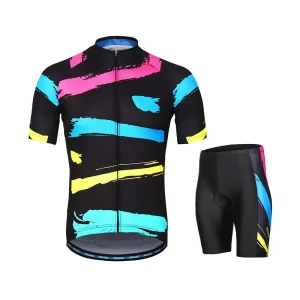

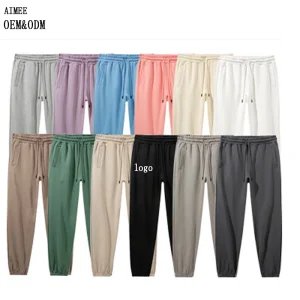
 CLStyle Fashion