CLStyle Fashion
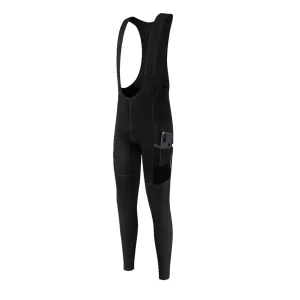
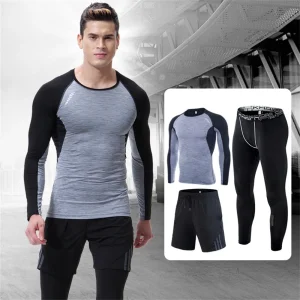
The Boston & New England Sportswear Landscape: Elite Demands & Microclimates
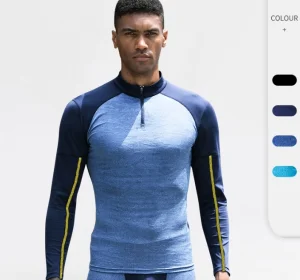
Boston stands as a global hub of collegiate heritage, marathon history, and high-performance lifestyle standards. As home to the legendary Boston Marathon and world-renowned academic institutions, the local demand for men’s sportswear is driven by a deep athletic culture and an uncompromising requirement for functional, weather-resilient design. Apparel destined for this region must withstand erratic coastal climates, from humid summer runs along the Charles River to biting, maritime winters.
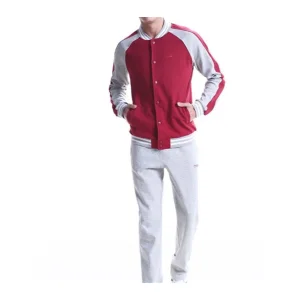
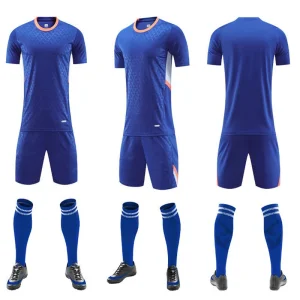
To succeed in the New England athletic market, apparel brands must deliver products that seamlessly transition across versatile application scenarios. This includes collegiate club crew sports, urban multi-season road running, and cross-discipline gym workouts. The demand is no longer just for basic hoodies or simple mesh fabrics; it is for highly specialized textile engineering. This requires a supply partner with advanced material science competencies and a scalable manufacturing footprint.
Sourcing Director Insights: Semantic Search Intent & E-E-A-T
Google’s Quality Rater Guidelines emphasize real-world expertise and technical transparency. Global sports brands sourcing for the US East Coast prioritize factories that can combine high-level technical specifications (tensile strength, breathability coefficients) with modern smart factory efficiency. This ensures maximum local brand integrity and minimized supply chain risk.
Technical Performance Indicators: Fabric Engineering Requirements
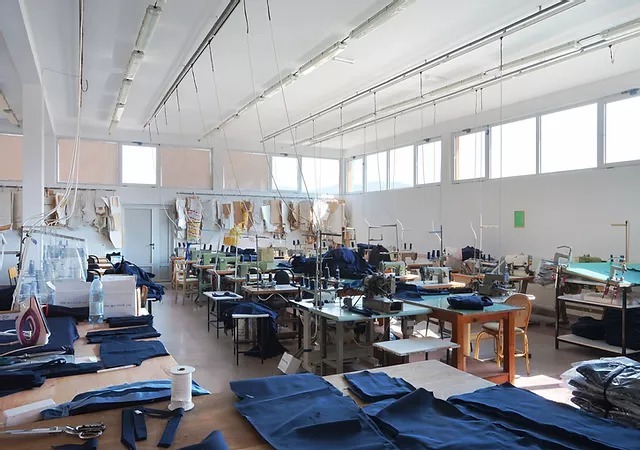
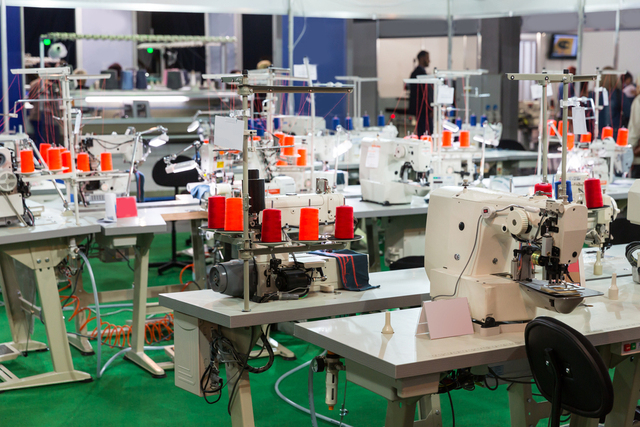
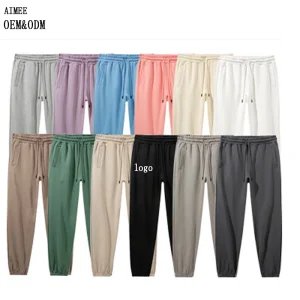
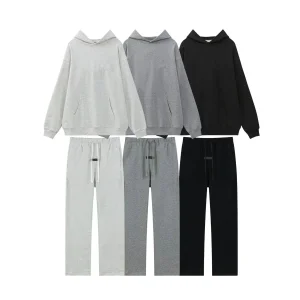
We implement custom-engineered knitting processes that balance dynamic stretch with structural recovery. Our production utilizes high-filament yarns, multi-channel microfibers, and strategic elastane blends. This guarantees that each piece delivers active moisture management and exceptional thermal insulation without excess weight.
- Thermal-Regulation Matrix: Hollow-core fiber constructions designed to trap insulating air pockets while continuously channeling vapor away from the skin.
- Hydrodynamic Wicking: Multi-channel capillary polyester fibers that move perspiration outward for rapid atmospheric dispersion.
- Biomechanical Compression: Targeted tension zones to minimize muscle fatigue and improve alignment during high-intensity training.