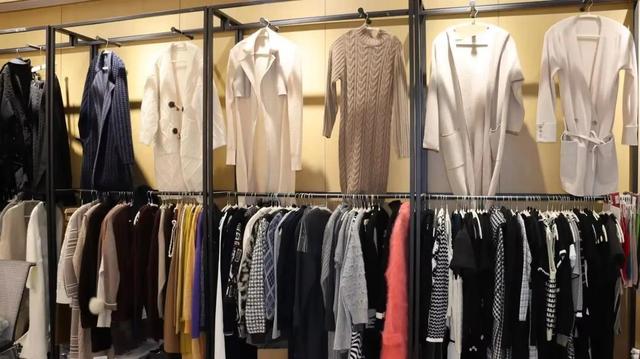
CLStyle Fashion
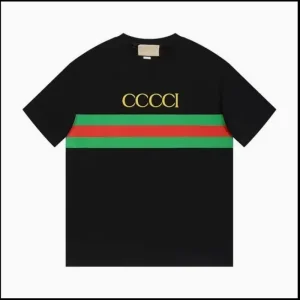
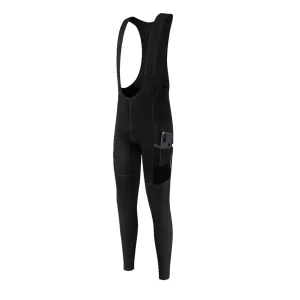
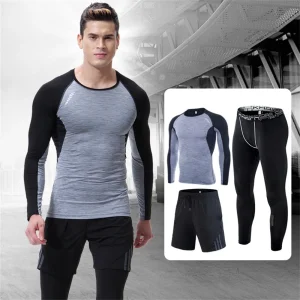
1. The Changing Landscape of Iraq’s Sportswear Market
The commercial sectors in Iraq are witnessing a notable shift in retail preferences, fueled by a dynamic young demographic and a steadily recovering economy. Iraq has a population where over 60% of citizens are under the age of 25. This young demographic, centered in urban hubs like Baghdad, Erbil, Basra, and Mosul, is driving a strong demand for athletic leisure, professional bodybuilding, and sportswear fashion. Local football leagues, fitness centers, and outdoor recreational groups in the Kurdistan Region are growing rapidly, creating a strong market for performance-focused menswear.
However, the local manufacturing sector in Iraq still faces foundational challenges. The supply chain relies heavily on imports from top-tier global textile manufacturing hubs. Historically, regional wholesalers relied on basic cotton apparel from neighboring Middle Eastern markets. Today, there is a clear trend toward highly functional fabrics: quick-dry polyesters, anti-odor silver-ion microfibers, high-stretch spandex, and UV-resistant outdoor gear. To secure high market share, Iraqi distributors are increasingly sourcing directly from specialized original equipment manufacturers (OEMs) in China to balance production speed, fabric innovation, and competitive pricing.
Localized Climate & Cultural Adaptations in Iraq
Iraqi summers regularly exceed 45°C (113°F) in central and southern governorates, making high-level breathability and sweat-wicking properties absolute requirements. Sportswear destined for the Iraqi market must offer a lightweight GSM (Grammage per Square Meter) profile combined with superior capillary moisture transportation. Additionally, cultural integration requires a balance of athletic fit and respectful modesty styles, meaning longer-cut gym shirts, highly durable joggers, and premium lightweight hoodies are strong sellers throughout the calendar year.
2. Global Sportswear Production and the Strategic Chinese Factory Advantage
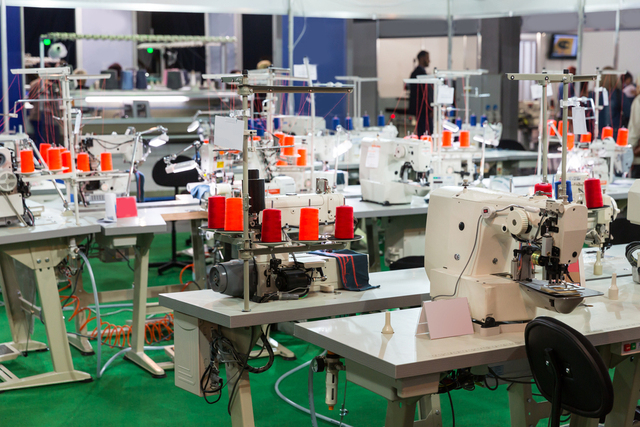
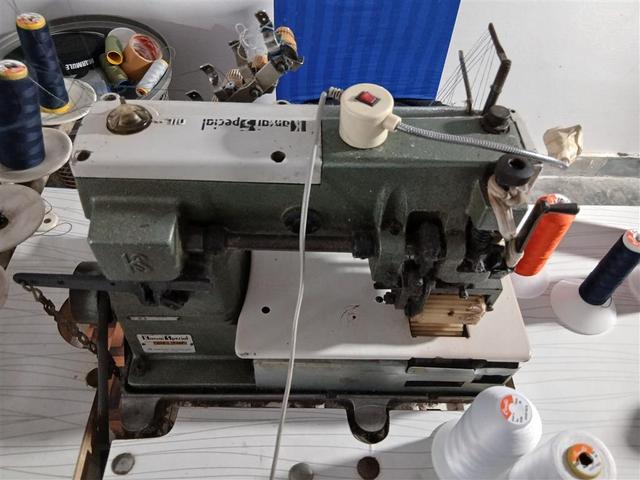
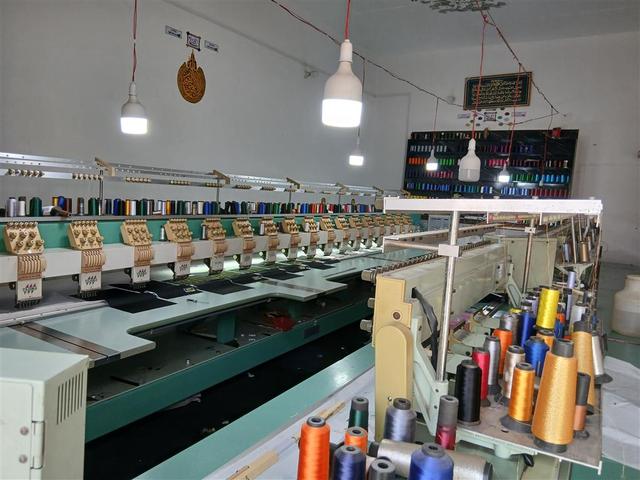
The global sportswear market is highly competitive, demanding constant innovation in yarn technology, fabric treatments, and automated manufacturing. While domestic assembly plants in various countries manage basic garment construction, high-performance athletic apparel requires specialized machinery: seamless circular knitting, automated laser cutting, ultrasonic bonding, and high-precision sublimation printing.
Chinese manufacturing hubs, particularly in Dongguan and the wider Guangdong industrial corridor, lead this technological curve. The deep supply chain networks in these regions provide direct access to premium functional fibers, high-durability accessories, and highly efficient transport routes. By integrating advanced production lines with digital pattern-making tools, Chinese factories can deliver high-volume orders with excellent consistency, minimizing structural errors and keeping unit costs low.
3. Spotlighting Dongguan CLStyle Fashion Co., Ltd.
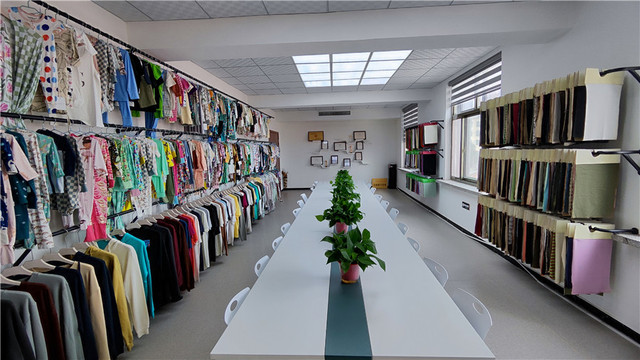
Dongguan CLStyle Fashion Co., Ltd. is a leading manufacturer in this industrial ecosystem. Established in 2010 in Dongguan, China, CLStyle has spent over a decade refining its processes to provide complete modern apparel manufacturing. The company covers the entire production cycle, including fashion design, advanced fabric sourcing, precise pattern development, bulk production, rigorous quality control, and global OEM/ODM logistics.
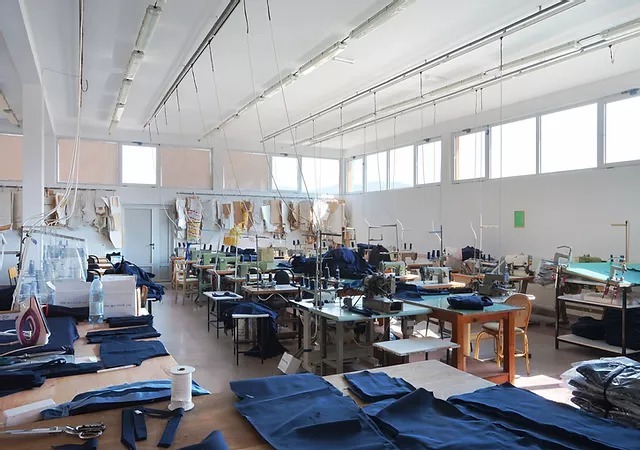
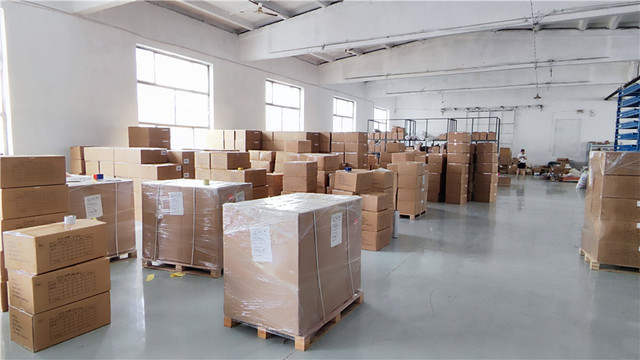
With a facility spanning 22,000 square meters and staffed by over 260 skilled professionals—including experienced design teams and pattern technicians—CLStyle operates multiple modern production lines. Utilizing digital cutting equipment, advanced automated sewing systems, and strict QC protocols, CLStyle maintains high craftsmanship, accurate sizing, and excellent durability. An annual production capacity of over 3.5 million pieces allows CLStyle to reliably serve international wholesalers, rising fashion brands, and major distributors across the Middle East, Europe, and the Americas.