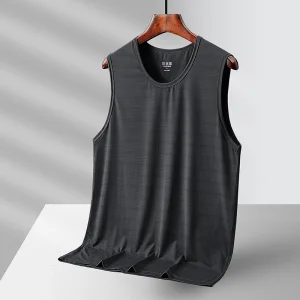
Optimized for high relative humidity, extreme UV levels, and marine environments. Our primary product tier engineered for tropical performance.
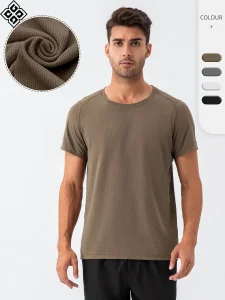
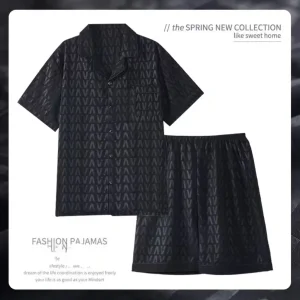
The demand for high-specification men's summer wear in Fiji has transitioned from basic aesthetic requirements to high-performance, functionally specialized apparel. Positioned as the economic hub of the South Pacific, Fiji presents a unique set of geographic, climatic, and industrial conditions that demand highly engineered textiles. With average temperatures ranging between 26°C and 31°C and relative humidity levels frequently exceeding 80%, standard import apparel fails prematurely due to fabric degradation, dynamic salt-water exposure, and heavy perspiration loads.
For global procurement managers, Fiji's retail and industrial markets present distinct segments. First, the dominant luxury tourism and hospitality sector—anchored in Denarau Island, the Coral Coast, and the Mamanuca Islands—requires high-end, breathable staff uniforms and premium guest retail apparel. Second, the maritime, logistics, and port operation industries centered in Suva and Lautoka demand ruggedized, high-visibility protective wear that complies with international safety standards (such as AS/NZS codes) while preventing heat stress. Lastly, the local domestic consumer base seeks cost-effective, durable, and highly breathable athletic and everyday wear.
The South Pacific apparel trade is currently undergoing a structural transformation. Importers are moving away from low-durability fast fashion towards performance-driven, high-durability apparel. Key trends include the adoption of anti-microbial fabric treatments to combat mold and odor in tropical climates, the integration of UPF 50+ certification for outdoor and safety garments, and the transition to eco-friendly raw materials to align with Fiji's national environmental sustainability initiatives. Importers who secure supply chains verified for technical parameters will gain significant competitive advantages in the regional wholesale market.
Procuring garments for Fiji’s B2B distributors and enterprise buyers requires strict adherence to physical performance metrics. To assist procurement officers in making data-backed decisions, our research team has mapped the primary mechanical, chemical, and physical textile parameters required for optimal performance in Fiji's tropical marine zone:
| Apparel Class | Recommended Fiber Blend | Target GSM | Tensile Strength (N) | Breathability (g/m²/24h) | Primary Functionality |
|---|---|---|---|---|---|
| Tropical Utility Workwear | 100% Long-Staple Cotton / Canvas | 180 - 240 | ≥ 450 N | > 6,500 | Flame-retardant, anti-static, high air permeability |
| Marine & Outdoor Wear | 88% Polyester / 12% Spandex (UPF Treated) | 140 - 160 | ≥ 300 N | > 8,000 | UPF 50+ UV deflection, quick-dry, saltwater resistance |
| Resort & Hospitality Wear | Premium Silk / Viscose / Bamboo Blends | 110 - 130 | ≥ 200 N | > 7,000 | Thermo-physiological cooling, hypoallergenic, luxury drape |
| Athletic & Tactical Gear | Nylon-Spandex / Ice Silk Tech Blends | 120 - 150 | ≥ 350 N | > 9,000 | Rapid moisture dispersion, anti-pilling, high stretch recovery |
Moisture Management and Capillary Action are critical for physical comfort in high humidity. By utilizing synthetic fibers with micro-grooves (such as specialized spandex and nylon-polyester matrixes), perspiration is quickly pulled from the skin to the outer surface of the garment, where it evaporates despite high ambient humidity. Additionally, for industrial fields in Fiji—such as port logistics, agricultural processing, and municipal construction—fabrics must undergo mechanical treatment to ensure colorfastness under heavy solar exposure (minimum Grade 4 rating in UV-induced color fading tests).
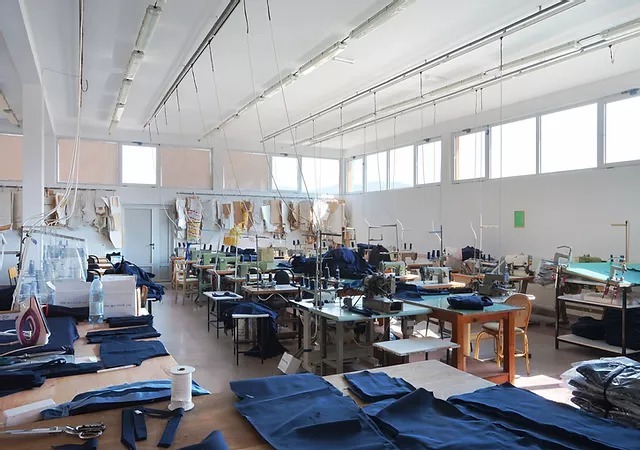
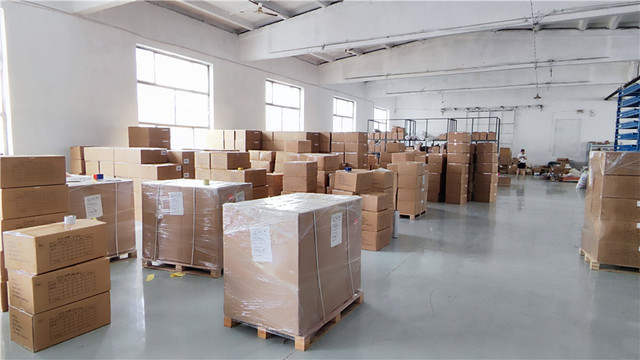
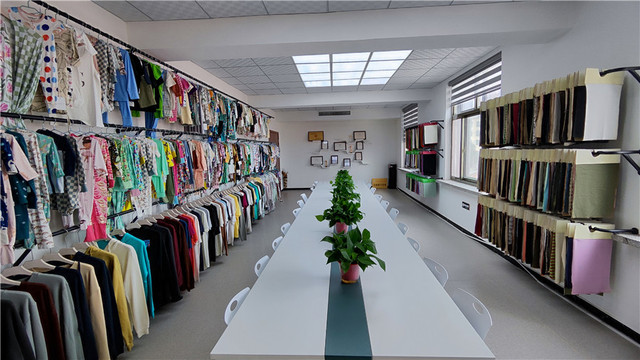
As the primary source of supply for high-quality garments globally, China's advanced manufacturing ecosystem—specifically optimized under the Factory 4.0 framework—provides Fiji buyers with unparalleled structural advantages. Dongguan CLStyle Fashion Co., Ltd., established in 2010 in Dongguan, China, is at the forefront of this industrial revolution. Our facilities integrate computerized pattern-making, automated fabric laying, digital cutting systems, and real-time manufacturing execution systems (MES) to guarantee that every garment matches the digital blueprint exactly.
Spanning an expansive production footprint of 22,000 square meters and powered by over 260 highly skilled technical professionals, designers, and quality control engineers, CLStyle operates on a model of extreme structural efficiency. With an annual production capacity exceeding 3.5 million pieces, the factory is engineered to absorb rapid scale-ups in order volumes while maintaining an Acceptable Quality Level (AQL) of 2.5 or better. This is a critical metric for Fiji importers who cannot afford the high costs of returns and quality disputes given long maritime shipping routes.
The manufacturing complex features state-of-the-art specialized machinery: computerized lockstitch sewing, automatic piping systems, ultrasonic welding machines for seamless athletic wear, and professional garment dye setups. Crucially, our integrated design, fabric sourcing, and pattern development workflow allows us to offer flexible customization (OEM/ODM services) that accommodates the unique sizing requirements of the South Pacific demographics (including customized grading for larger sizes and ergonomic fits suitable for physical work environments).
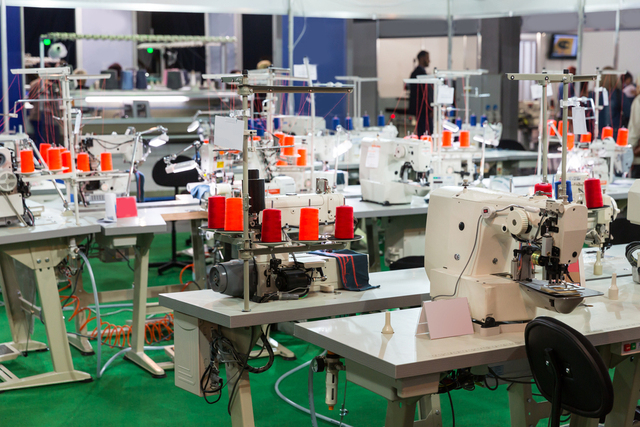
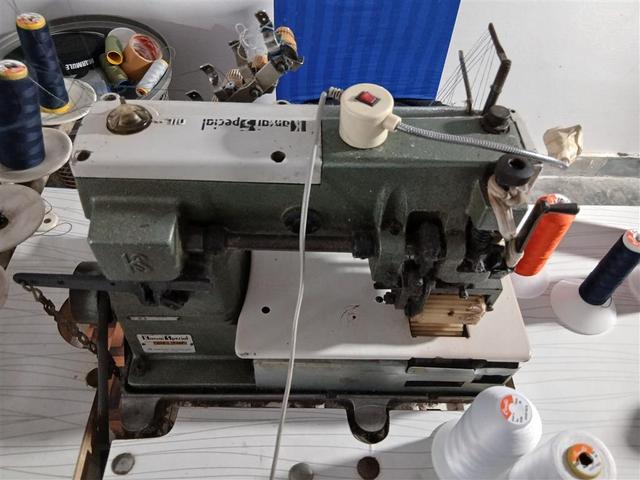
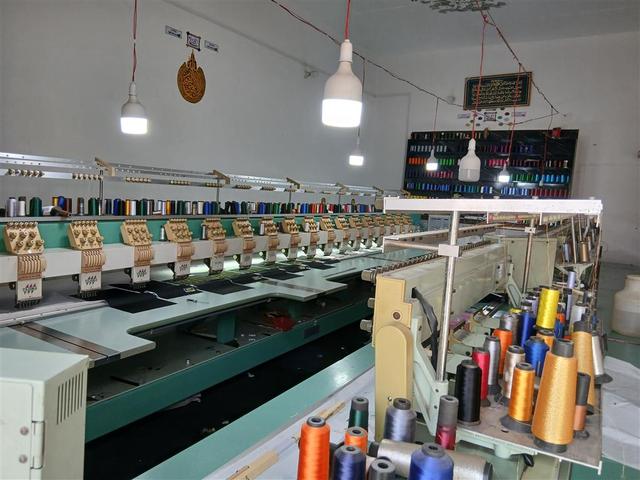
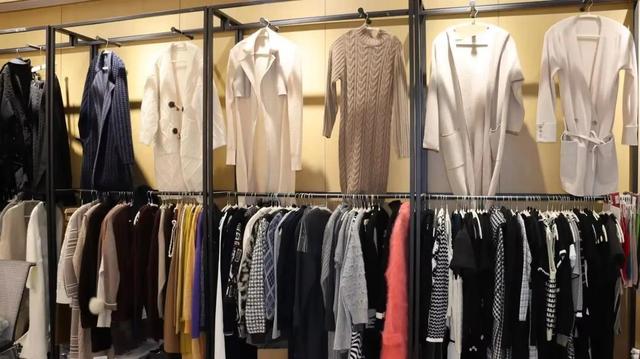
How our engineered product catalog matches the specific everyday, industrial, and recreational environments across Fiji.
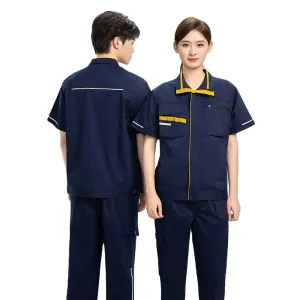
Staff comfort directly drives the guest experience. In destinations like Denarau Island or the Yasawa Islands, front-of-house staff work in open-air environments exposed to salt air and high heat. Our premium silk and lightweight cotton blends provide staff with active temperature regulation while maintaining a crisp, luxury, professional appearance.
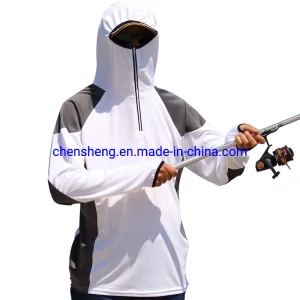
For deep-sea fishing crews and tourism charter operators working in Fiji's offshore currents, sun protective clothing is safety equipment. Our long-sleeve UPF 50+ fishing wear uses hydrophilic fibers to rapidly wick sweat, keeping operators dry while deflecting intense solar radiation and minimizing the risk of heatstroke.
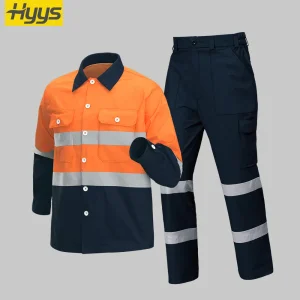
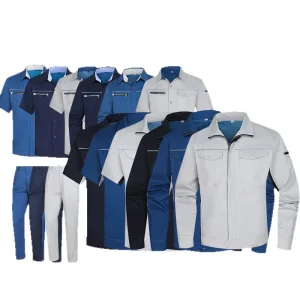
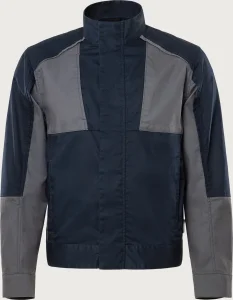
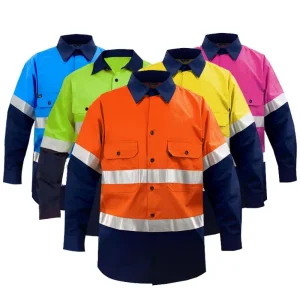
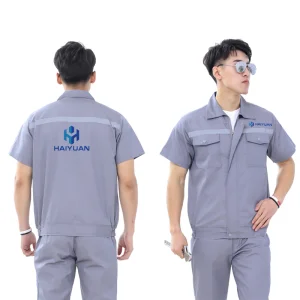
Port operations in Suva Harbour run 24/7. Cargo handlers, terminal operators, and security guards require durable, lightweight, high-visibility clothing that stands up to physical abrasion and frequent industrial laundering. Our lightweight canvas and anti-static hi-vis wear prevent rapid tearing and maintain their reflective standards over hundreds of wash cycles.
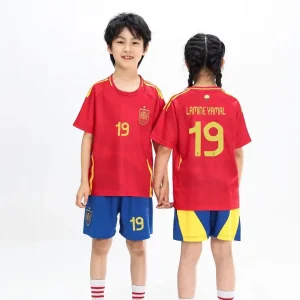
Rugby and outdoor athletic training are vital components of local Fijian culture. Training apparel must withstand severe physical pull forces and high dynamic stress. Our lightweight quick-dry jersey sets are constructed using reinforced flatlock seams and specialized spandex blend matrices to allow complete range of motion without tearing.
Explore our full technical catalog, tailored specifically for commercial imports, industrial compliance, and active lifestyle wear in the South Pacific.
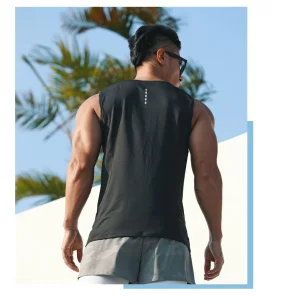
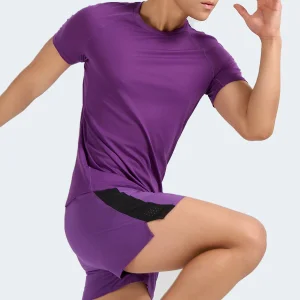
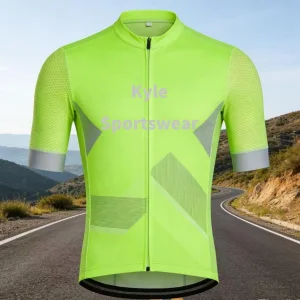
Expert technical insights regarding sourcing, custom manufacturing, logistics, and compliance for the Fiji market.
Our standard manufacturing MOQ begins at 100 to 500 pieces per style/colorway, depending on the complexity of the fabric and customized requirements. We understand the unique nature of South Pacific distribution networks and offer scalable production lines to support boutique buyers, specialized local uniform programs, and large corporate retail distributors in Fiji.
All fabrics targeted for the Fiji market undergo specialized treatment. Synthetic fibers receive integrated UV inhibitors during the extrusion process, providing permanent UPF 50+ protection that won't wash out. Additionally, we use high-grade vat dyes and reactive dyes that achieve a minimum rating of Grade 4 for light and saltwater colorfastness under ISO 105 standards, preventing typical fading seen in marine work environments.
Our manufacturing cycle ranges from 15 to 30 days depending on the customization scope. Maritime transit from Shenzhen, Guangzhou, or Shanghai ports directly to Suva or Lautoka takes approximately 20 to 28 days via key shipping alliances. We handle all export documentation, including custom packaging lists and certificates of origin, to ensure smooth clearance through the Fiji Revenue and Customs Service (FRCS).
Yes. As a comprehensive OEM/ODM clothing manufacturer, our CAD design department regularly modifies sizing gradients. We specialize in producing custom measurement templates designed for South Pacific body structures, including loose-fit designs, extended sleeve dimensions, and reinforced points in high-stress areas for safety and work uniforms.
Yes, our industrial line of summer safety wear, including reflective cotton and canvas uniforms, is manufactured to meet Class D/N standards of the AS/NZS 4602.1 code. We use certified retroreflective tapes and fluorescent fabrics that maintain high visibility under both direct sun and dark work conditions, while utilizing 100% breathable cotton structures to keep workers cool in Fiji’s heat.
 CLStyle Fashion