📊 South Africa Traditional Fashion: Market Dynamics & Industrial Landscape
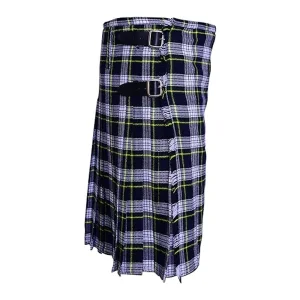
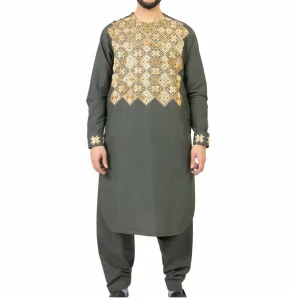
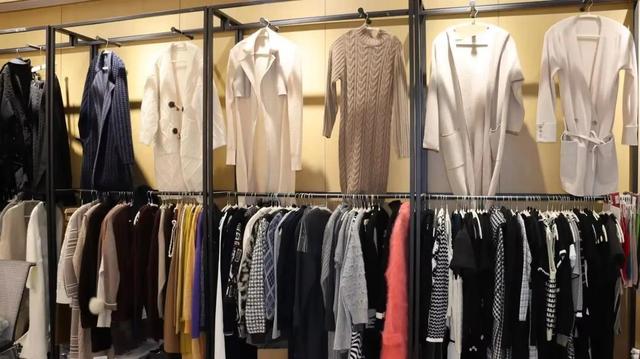
The South African menswear market is undergoing a profound transformation. As cultural identity takes center stage in corporate, social, and religious environments, the demand for Men’s Traditional Clothing has evolved from occasional ethnic wear to a multi-billion Rand industry. From the bustling financial hubs of Sandton to the cultural heartlands of KwaZulu-Natal, there is a sophisticated appetite for garments that blend heritage with modern textile technology.
Strategic Commercial Analysis
South Africa represents a unique "Heritage Economy." The rise of the "Modern Traditionalist" consumer has created a gap between local artisanal production and large-scale industrial demand. Global procurement managers are increasingly seeking suppliers who can bridge this gap by offering high-volume manufacturing capabilities without sacrificing the intricate aesthetic details required by Zulu, Xhosa, Sotho, and regional Islamic communities.
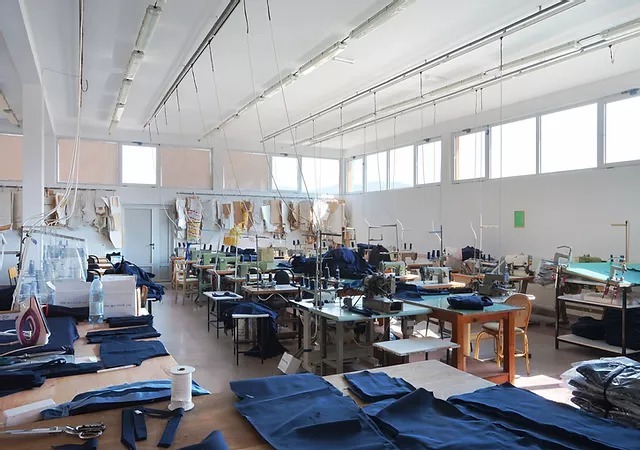
14+Years Industry Expertise
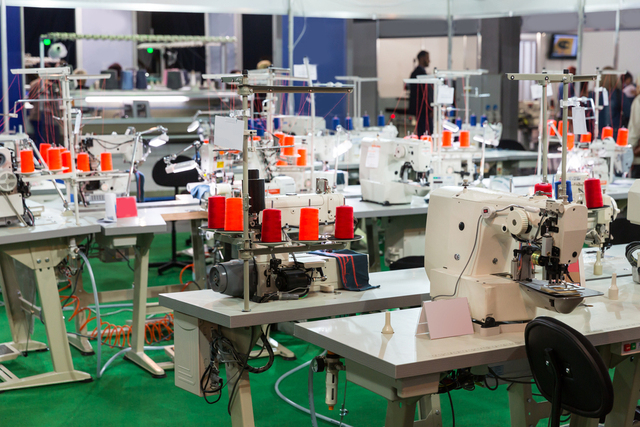
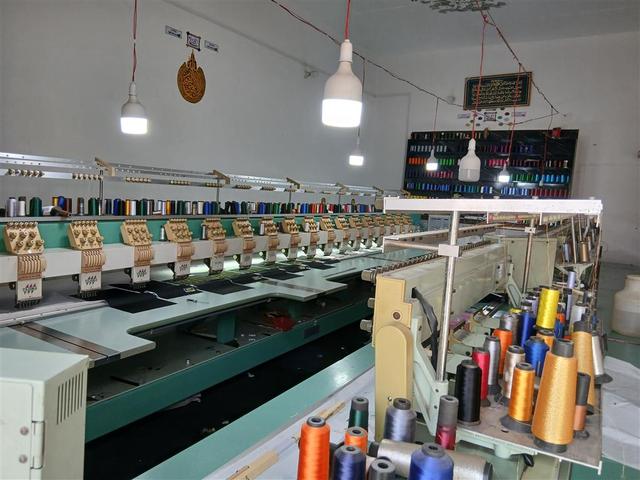
3.5M+Annual Piece Capacity
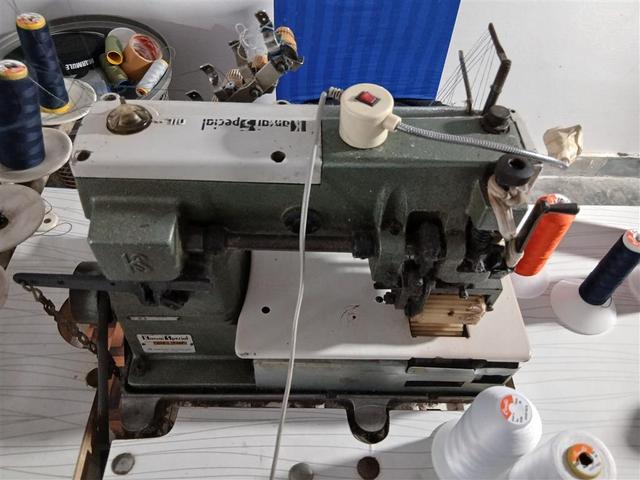
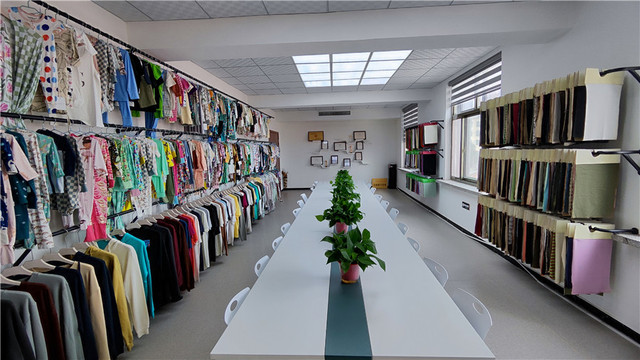
260+Skilled Technicians
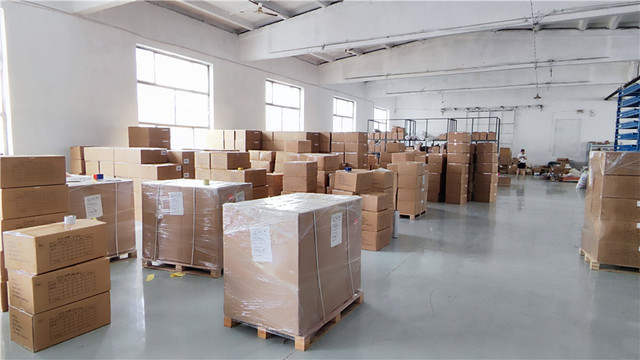
22kSq. Meter Facility
Industry Trends & Global Sourcing Requirements
1. Sustainable Traditionalism: Buyers are shifting toward linen, organic cotton, and recycled polyester blends to meet South Africa's climate demands—high breathability for summer and thermal efficiency for high-veld winters.
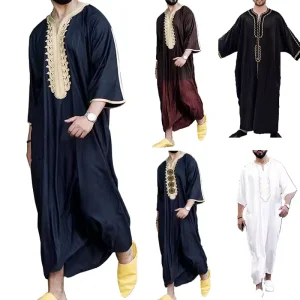
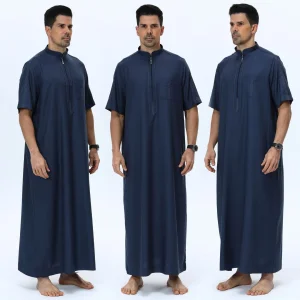
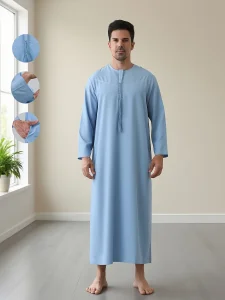
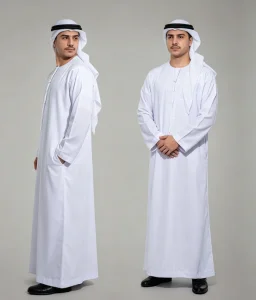
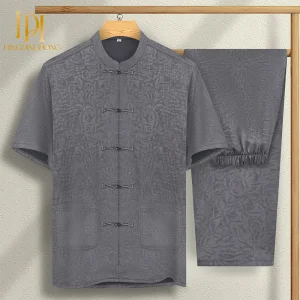
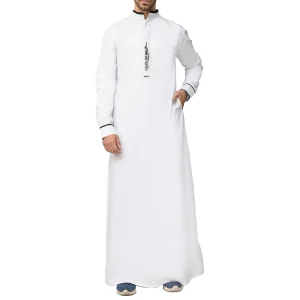
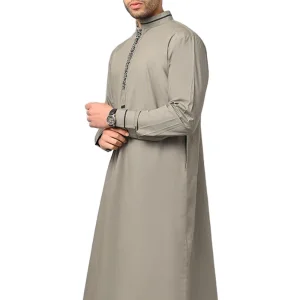
2. Hybrid Design Architectures: We are seeing a 40% increase in inquiries for "Traditional-Tech" hybrids, where classic silhouettes (like the Thobe or Madiba shirt) are enhanced with moisture-wicking properties and anti-wrinkle finishes.
3. Logistical Reliability: In the post-pandemic era, South African distributors prioritize suppliers who understand the Durban and Cape Town port logistics, ensuring consistent lead times for peak seasons like Heritage Month (September) and December wedding cycles.
 CLStyle Fashion