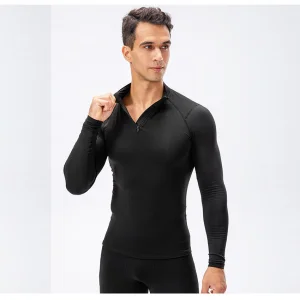
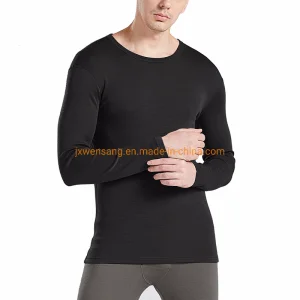
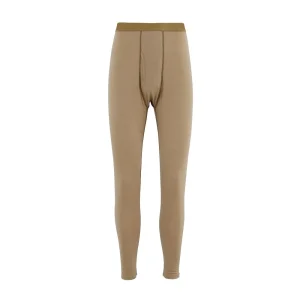
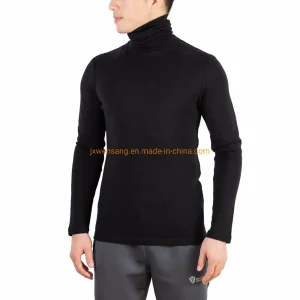
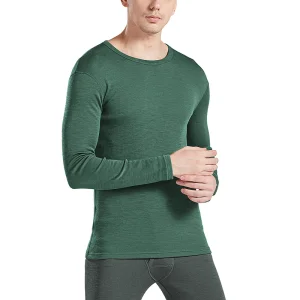
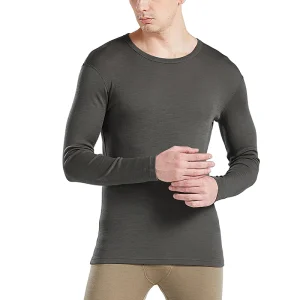
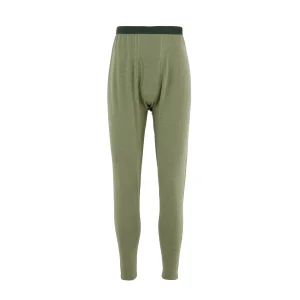
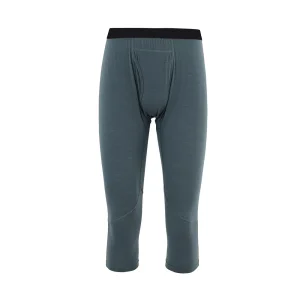
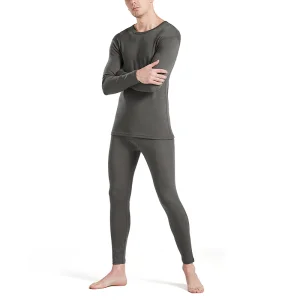
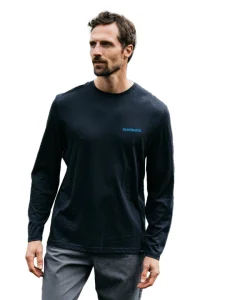
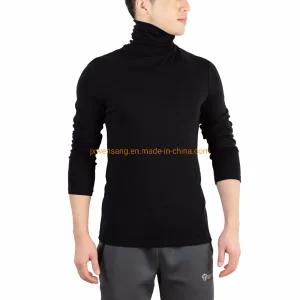
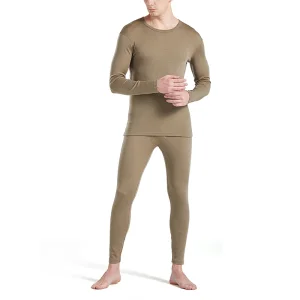
Men’s Underwear & Base Layer Factories & Factory in Canada

Strategic Manufacturing Solutions, Technical Fabric Innovations, and Global Supply Chain Integration for High-Performance Canadian Brands

Industry Whitepaper

The Canadian & Global Landscape of Technical Next-to-Skin Apparel

Canada's diverse, rugged terrain and extreme seasonal shifts demand next-to-skin apparel that performs under pressure. From the sub-zero winters of the Yukon to the humid summers of Southern Ontario, the demand for high-performance men's underwear and base layers is driven by both functional necessity and a growing lifestyle shift toward outdoor recreation and wellness.

Key Whitepaper Insights

  • Canadian Market Dynamics: High reliance on imports due to domestic capacity constraints and soaring labor costs.
  • Material Science: The rise of 100% Merino Wool, Recycled Polyester, and hybrid blends for optimal moisture-vapor transfer.
  • Manufacturing Synergy: How combining Canadian design with advanced Chinese production facilities optimizes landed costs and speed-to-market.

1. The Canadian Market & Industrial Reality

In Canada, the market for men's underwear and base layers is highly specialized. Unlike standard fashion apparel, next-to-skin garments must meet strict physiological performance criteria: thermal regulation, moisture management, skin compatibility, and odor control. The Canadian retail landscape—dominated by premium outdoor brands, tactical outfitters, and specialized workwear suppliers—requires products that can withstand temperatures ranging from +20°C during alpine hikes to -40°C in northern industrial sites.

However, domestic textile manufacturing in Canada faces significant structural headwinds. High labor costs, strict environmental regulations on dye houses, and a lack of localized raw material ecosystems (such as high-speed spinning mills for fine-micron Merino wool or advanced synthetic extrusion plants) make large-scale domestic production economically challenging. While local boutique factories exist, they often struggle with scalability, leading to high unit costs and extended lead times. Consequently, Canadian brands increasingly rely on strategic offshore manufacturing partners who can deliver technical precision at scale.

"The modern Canadian consumer does not just buy a garment; they invest in a thermal management system. This shift in consumer psychology requires brands to source fabrics that offer measurable performance metrics, such as specific Clo values (thermal resistance) and high moisture vapor transmission rates (MVTR)."

2. Global Supply Chain Dynamics & The China Efficiency Advantage

The global supply chain for technical apparel has shifted from simple low-cost assembly to highly integrated, technology-driven manufacturing clusters. Dongguan, China, has emerged as a premier global hub for this advanced manufacturing, offering unparalleled advantages in efficiency, technology, and supply chain depth.

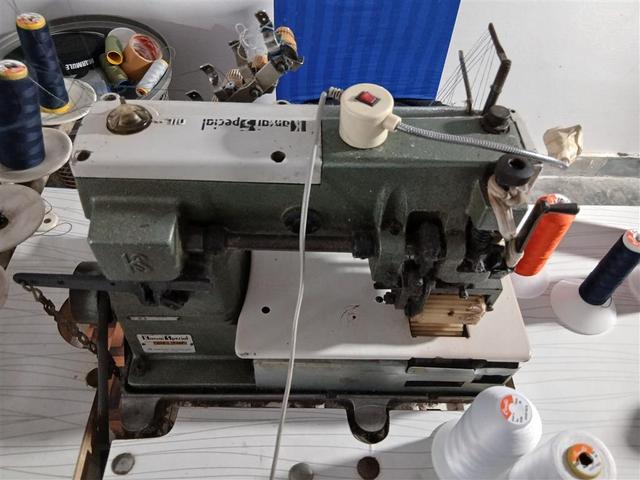
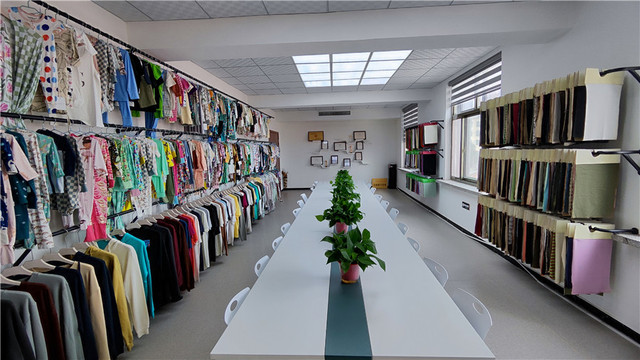
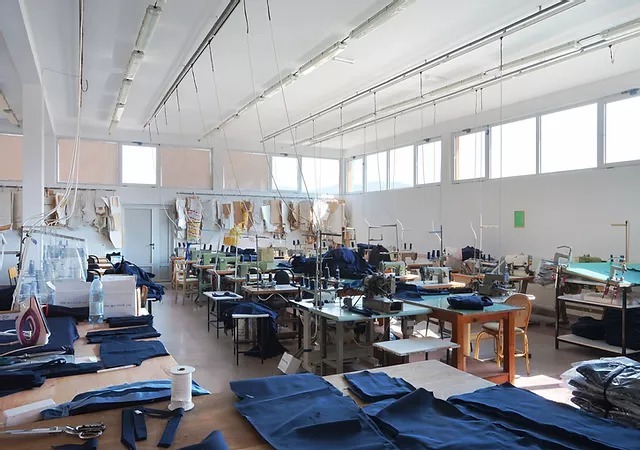
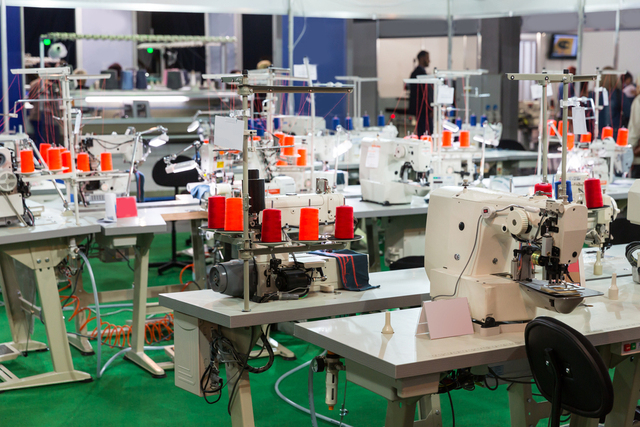
Dongguan CLStyle Fashion Co., Ltd. exemplifies this modern manufacturing paradigm. Established in 2010, CLStyle operates a state-of-the-art 22,000 square meter facility equipped with advanced digital cutting systems, automated sewing lines, and specialized flatlock stitching machinery essential for seamless, chafing-free base layers. With over 260 skilled technicians and an annual production capacity exceeding 3.5 million pieces, CLStyle provides the scalability that domestic Canadian factories cannot match.

The efficiency advantage of partnering with an integrated manufacturer like CLStyle includes:

  • Raw Material Access: Direct sourcing channels for premium Australian Merino wool (certified mulesing-free) and advanced recycled synthetics (GRS certified).
  • Vertical Integration: Seamless coordination from fabric development and pattern making to precision manufacturing and international logistics.
  • Advanced Prototyping: Rapid 3D pattern development and digital sizing adjustments, reducing sample approval times from weeks to days.
  • Rigorous Quality Control: Multi-stage inspection protocols ensuring zero-defect shipments, meeting strict North American retail standards.

3. Material Science: Merino Wool vs. Recycled Synthetics

The performance of a base layer is fundamentally determined by its fiber composition and knit structure. Modern technical underwear utilizes two primary material families, often blended to leverage the benefits of both:

Premium Merino Wool

Sourced from premium Australian sheep, Merino wool fibers are exceptionally fine (typically 17.5 to 19.5 microns for next-to-skin wear). This fineness prevents the "itchiness" associated with traditional wool. Merino wool is naturally hydrophilic, absorbing up to 35% of its weight in moisture without feeling wet, while releasing heat during absorption to keep the wearer warm in damp conditions. Its natural keratin structure also inhibits the growth of odor-causing bacteria.

Recycled Nano-Synthetics

Engineered from post-consumer recycled polyester (rPET) using advanced extrusion technologies, these fibers are hydrophobic, meaning they repel water and dry extremely quickly. By utilizing multi-channel fiber cross-sections (such as Coolmax technology), moisture is mechanically wicked away from the skin via capillary action. This is ideal for high-aerobic activities where rapid sweat evaporation is critical to prevent post-exercise chill.

4. Localized Canadian Application Scenarios

To design a successful product line for the Canadian market, brands must align technical specifications with specific regional and activity-based use cases:

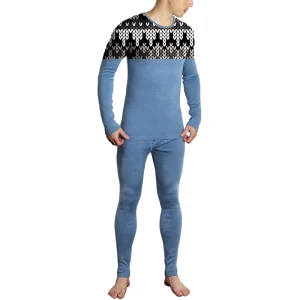
  • Alpine Skiing & Snowboarding (Whistler, Banff): Requires mid-weight to heavy-weight (200-260 GSM) Merino wool or hybrid blends. The focus is on zonal insulation, high breathability on the back and underarms, and high stretch for dynamic movement.
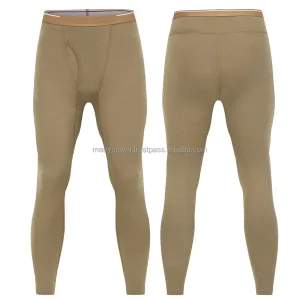
  • Backcountry Hunting & Tactical Operations (Alberta, British Columbia): Demands silent, non-reflective, and highly odor-resistant garments. Lightweight to mid-weight Merino wool (150-200 GSM) in earth tones or camouflage patterns is the industry standard, allowing hunters to remain undetected for days.
  • Industrial Workwear & Resource Extraction (Northern Ontario, Fort McMurray): Requires heavy-duty, flame-resistant (FR) treated base layers or heavy-weight (300-400 GSM) thermal sets. Durability, reinforced flatlock seams, and extended coverage (turtlenecks, thumbhole cuffs) are critical for workers facing prolonged exposure to extreme cold.
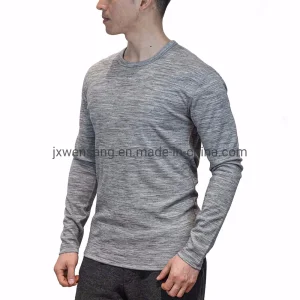
  • Urban Active Lifestyle (Toronto, Vancouver, Montreal): Focuses on lightweight, versatile, and stylish designs. 100% recycled polyester or fine-gauge Merino blends (135-150 GSM) that transition seamlessly from a morning commute to an indoor office environment.

CLStyle Manufacturing Capabilities

Empowering global brands with high-capacity, precision-engineered apparel production.

22,000+
Square Meters Facility
3.5M+
Annual Production Capacity
260+
Skilled Technicians
14+
Years Industry Experience

Dongguan CLStyle Fashion Co., Ltd.

Dongguan CLStyle Fashion Co., Ltd. is a professional men’s clothing manufacturer and fashion apparel supplier specializing in casual wear, formal wear, and streetwear for global markets. Established in 2010 and located in Dongguan, China, the company integrates design, fabric sourcing, pattern development, production, quality control, and international OEM/ODM services into a complete modern apparel manufacturing system.

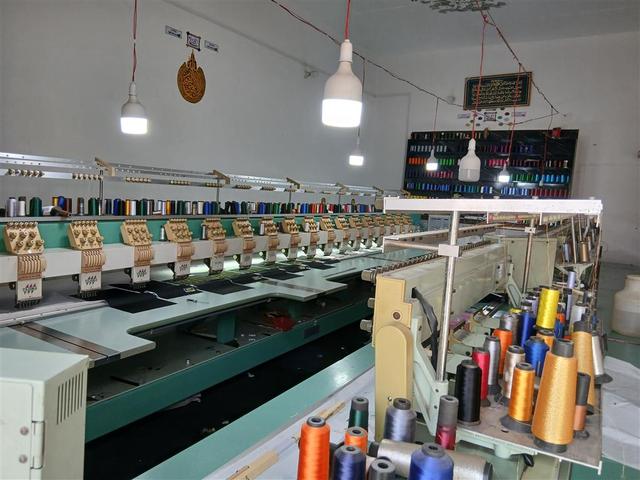
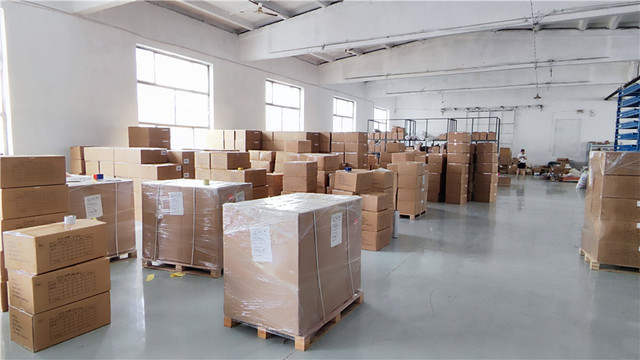
CLStyle operates a production facility covering approximately 22,000 square meters with more than 260 skilled employees, including fashion designers, pattern makers, and production technicians. Equipped with advanced sewing equipment, digital cutting systems, and strict quality inspection processes, the company ensures consistent craftsmanship, accurate sizing, and high durability across all garments. Annual production capacity exceeds 3.5 million pieces, serving wholesalers, fashion brands, e-commerce retailers, and distributors worldwide.

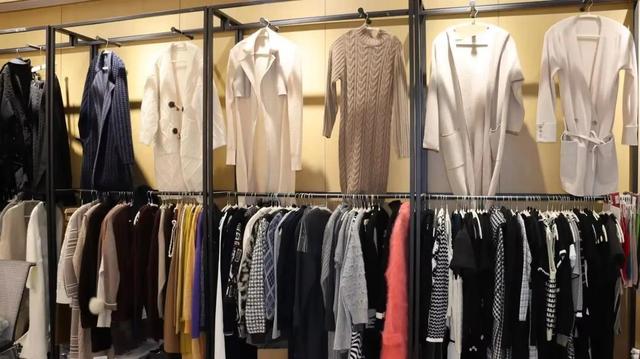
The company’s product range includes men’s T-shirts, shirts, hoodies, jeans, jackets, suits, knitwear, and street fashion apparel. By combining modern fashion trends, high-quality fabrics, and efficient production techniques, CLStyle delivers stylish, comfortable, and market-oriented clothing solutions tailored to different regional preferences.

Book a Factory Tour
5. Strategic Procurement Guide for Canadian Brands

When sourcing technical base layers from an offshore partner like CLStyle, Canadian brands should follow a structured procurement workflow to ensure quality, compliance, and optimal margins:

  • Tech Pack Development: Provide detailed tech packs specifying fabric weight (GSM), fiber composition, flatlock seam placement, sizing charts (adjusted for North American fit), and branding details (heat-transfer labels, custom packaging).
  • Sample Evaluation: Request both proto-samples (for fit and construction evaluation) and pre-production samples (using the actual bulk fabric and colorways). Test these samples for shrinkage, colorfastness, and stretch recovery.
  • Compliance & Certifications: Ensure the manufacturing facility holds relevant social and environmental certifications, such as BSCI, WRAP, or OEKO-TEX Standard 100. This protects your brand's reputation and ensures compliance with Canadian import regulations.
  • Logistics & Customs: Factor in transit times and customs duties. Shipping via ocean freight from Shenzhen to Vancouver typically takes 15-20 days, followed by rail transport to eastern hubs like Toronto or Montreal. Utilize a licensed customs broker to navigate Canadian customs tariffs (typically 17-18% for apparel imports).

6. Industry Trends & Future Outlook

The technical apparel industry is evolving rapidly, driven by technological innovation and shifting consumer values:

  • Circular Economy & Biodegradability: Brands are increasingly demanding biodegradable synthetic fibers and mono-material constructions (e.g., 100% Merino or 100% recycled polyester) to facilitate easier recycling at the end of the garment's lifecycle.
  • Smart Textiles & Active Heating: Integration of conductive yarns or ultra-thin heating elements within base layers is gaining traction, particularly for extreme-cold industrial applications and premium winter sports.
  • Seamless & Anatomical Knitting: Advanced circular knitting machines allow for the creation of seamless garments with varying density and knit structures mapped to the body's physiological needs, maximizing comfort and performance.

Frequently Asked Questions

Expert insights on technical base layer manufacturing, sourcing, and material selection.

Why should Canadian brands choose offshore manufacturing in China over domestic factories?
While domestic Canadian factories offer local proximity, they often struggle with high labor costs, limited production capacity, and a lack of specialized technical machinery (such as flatlock stitchers and digital cutting tables). Partnering with an advanced offshore manufacturer like Dongguan CLStyle Fashion Co., Ltd. provides access to a highly integrated supply chain, premium raw materials, advanced prototyping, and significant cost efficiencies, allowing brands to scale rapidly and maintain healthy margins.
What is the ideal fabric weight (GSM) for Canadian winter base layers?
The ideal weight depends on the activity level and temperature. Lightweight (135-150 GSM) is best for high-aerobic activities or mild weather. Mid-weight (200-250 GSM) is the most versatile option, suitable for skiing, hiking, and everyday winter wear. Heavy-weight (300-400 GSM) is engineered for extreme cold, low-aerobic activities, or prolonged outdoor work, providing maximum thermal insulation.
How does Merino wool compare to recycled polyester in terms of performance?
Merino wool excels in natural thermal regulation, moisture absorption (without feeling wet), and long-term odor resistance, making it ideal for multi-day trips and variable climates. Recycled polyester is highly durable, hydrophobic (repels water), dries extremely quickly, and is typically more cost-effective, making it excellent for high-intensity sports where rapid sweat evaporation is critical.
What are the minimum order quantities (MOQs) for custom manufacturing?
Our standard MOQ for custom (OEM/ODM) technical base layers is typically 500 to 1,000 pieces per style/colorway, depending on the fabric availability and customization requirements. We offer flexible solutions for emerging premium brands and can discuss tiered options during the initial consultation.
How does CLStyle ensure consistent quality control for international shipments?
We implement a multi-stage quality control system, including incoming fabric inspection, in-line sewing checks, and 100% final garment inspection. Our processes align with international AQL 2.5 standards, ensuring that every shipment meets the strict sizing, durability, and finishing requirements of premium global retailers.

Ready to Elevate Your Brand's Technical Apparel Line?

Partner with a world-class manufacturer to deliver high-performance, premium quality base layers and underwear tailored for the demanding Canadian market.